
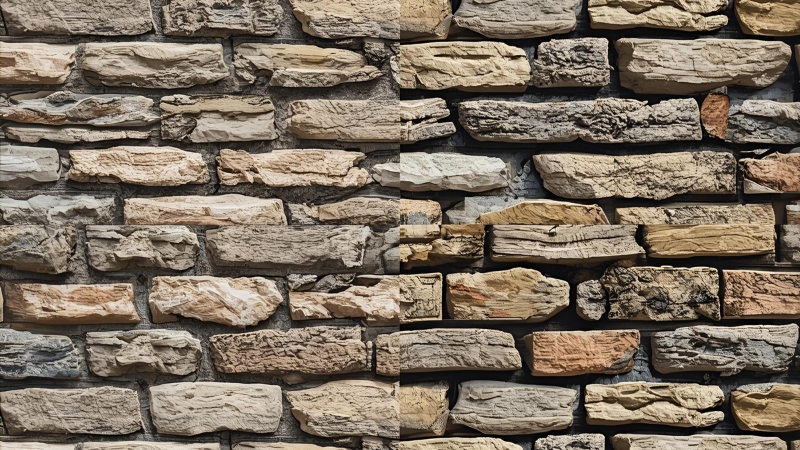
Stone Cleaning Service: How Proper Stone Care Preserves Beauty and Longevity
Stone is more than a building material. It connects us to history, to architecture, to craftsmanship. Over time natural stone facades, memorials, walls and architectural details can accumulate dirt, pollution, biological growth, and staining that damage both their appearance and their structural integrity. A well-executed stone cleaning service restores not just how the stone looks but also its lifespan and heritage value.
In the United Kingdom, demand for professional stone cleaning is growing as homeowners, property managers and heritage custodians recognise that DIY scrubbing or pressure washing can do more harm than good. In this article we explore why correct stone cleaning is vital, what can go wrong with improper methods, how professionals approach stone cleaning with care and expertise, and what property owners should consider when deciding whether to clean stone themselves or hire experts.
Why Stone Cleaning Matters Beyond Surface Appearance
Natural stone is used widely across British architecture. From historic buildings, churches and memorial headstones to period homes, terraces, garden walls, and modern commercial façades, stone carries the legacy of materials that age beautifully—if maintained properly. But age, environment and neglect pose a serious threat. Rain, pollution, moss, algae and carbon deposits slowly settle onto porous stone surfaces. Over time this grime not only fades the original colour and detail but can cause deeper deterioration. For instance dirt and pollutants can trap moisture, leading to freeze-thaw cycles, salt crystallisation or erosion. Without proper maintenance stone can crack, flake or crumble.
Furthermore, stonework often forms part of heritage or listed structures. For these buildings the stone is not just material: it represents history, craftsmanship, and architectural importance. Poor cleaning methods risk irreparable damage: abrasive scrubbing, high-pressure washing or harsh chemicals can etch delicate surfaces, remove original finishes or impair the stone’s ability to “breathe.” Professional stone cleaning is not simply about making stone look good again; it is about preserving its integrity for generations.
Beyond conservation concerns, properly cleaned stone increases a property’s value and curb appeal. Clean façades, restored headstones, fresh stone walls convey care, respect and pride in ownership. For commercial properties and offices, this can enhance the first impression to visitors and clients. For homeowners, restoring stonework can revitalise the character of a building, especially in older homes.
Finally, cleaning can extend stone’s lifespan. Removing destructive stains, biological growth and pollutants reduces long-term structural damage. A one-time cost in professional cleaning can prevent costly repointing, restoration or even replacement work later on. Professional stone cleaning is a form of investment rather than mere aesthetics.
The Risks of DIY Stone Cleaning and Why Professional Expertise Matters
Given how accessible cleaning tools and detergents are, it is tempting for homeowners to attempt stone cleaning themselves. A bucket, a jet-wash, some detergent and a bit of effort: it seems straightforward. But natural stone is not like brick or rendered wall. Each stone type—limestone, Portland stone, Bath stone, sandstone, marble, granite—has its own properties. What might seem gentle on one could destroy another.
For instance, limestone and Bath stone are often porous and sensitive. Heavy scrubbing or high-pressure water can lead to surface damage, flaking or loss of detail. On softer stones, one wrong move could damage historic carvings or masonry. Meanwhile granite or marble may look hard and durable but are still vulnerable to etching or dulling if abrasive cleaning is used. Even more, stains like pollution deposits, soot, organic growth or graffiti need specific treatment. Trying to remove deep carbon stains or paint with general detergents or aggressive washing often leaves uneven results, discolouration, or deeper damage.
Moreover, once stone is damaged the effects are often irreversible—or repair becomes costly, complicated and may destroy original character. Without proper diagnosis of stone type, previous treatments or past damage, DIY methods are risky. Incorrect aftercare may allow water ingress, further deterioration or loss of breathability. In short, stone cleaning is not a casual household task: it is a craft, requiring skill, experience, and sensitivity.
Therefore professional stone cleaning brings value through expertise. Skilled technicians assess the stone type, history, any coatings or sealants, the nature of dirt or stains, structural soundness, possible environmental risks. They choose methods accordingly: gentle steam, soft brushing, poultices for stain removal, controlled chemical treatments when required, careful manual cleaning around inscriptions or ornate details. For heritage or listed buildings this care is essential. This thoughtful approach preserves the stone’s original texture, finish and structural integrity while achieving a thorough clean.
What Professional Stone Cleaning Looks Like: Methods and Approach
Professional stone cleaning is not one-size-fits-all. Each job begins with a careful site visit and assessment. Experienced cleaning specialists identify the stone type, check for cracks, previous repairs, sealants or mortar joints, and examine what kind of staining or growths are present. This initial evaluation determines the entire cleaning plan.
For light dirt, biological growth or moss, professionals often use low-pressure steam cleaning systems. Steam lifts grime gently without saturating or damaging the stone. For pollution deposits, soot, or carbon staining on more resilient stone such as sandstone or Portland stone, dry cleaning systems that combine fine abrasive powders, air and water may be used. These controlled systems remove stubborn grime without aggressive pressure.
In cases where stains have penetrated the surface—oil, rust, paint remnants, graffiti or organic stains—professionals may apply poultices. A poultice involves a specially formulated cleaning paste placed over the stain and allowed to draw contaminants out of the stone pore by pore. After removal, the stone is rinsed gently. For delicate stone or heritage façades, manual cleaning with soft brushes, wooden picks and specialist tools may be employed to preserve inscriptions or sculptural details. This care is often more time-intensive but essential to avoid damage.
Another key part of professional stone cleaning is protection and aftercare. Surrounding surfaces, landscaping, drains and nearby materials are safeguarded. Wastewater is collected and disposed of properly in line with regulations. Where necessary, once cleaning is done, a breathable sealant may be applied to preserve the cleaned surface while allowing moisture exchange—a critical step to prevent future staining or decay. Safety measures for working at height or in public areas ensure minimal disruption and secure working conditions.
Through this comprehensive approach a property’s natural stone is cleaned with respect to its material, age and context. What emerges is not just a cleaner surface but a restored, preserved and future-proofed stonework that honours its original character.
When Stone Cleaning Is Especially Important: Key Use Cases
Stone cleaning is not always about urgent repair. Sometimes it is preventive, aesthetic or even respectful. One common scenario is heritage properties or listed buildings. For these buildings, stonework often forms part of a protected architectural legacy. Cleaning such façades, memorial headstones or carved details must balance cleanliness with preservation. Professionals familiar with heritage-safe cleaning understand permissions, guidelines and the material’s vulnerabilities. In these cases improper cleaning could destroy historical patina or integrity.
Another major context is urban pollution. Properties close to busy roads, busy city centres or industrial areas may accumulate soot, grime and carbon deposits much faster. Over time dark streaks, pollution stains, and clogged pores in stone can lead to moisture retention, erosion or salt crystallisation. Regular, professional cleaning helps prevent long-term damage, maintains structural health and retains visual appeal.
For residential properties—terraced houses, period homes, garden walls, patios—stone cleaning improves curb appeal, often significantly. Clean stone gives a sense of care and pride in ownership. For commercial or public buildings, polished stone façades deliver a welcoming and professional impression to visitors, clients or customers.
Finally for memorial headstones, monuments or churchyards, proper stone cleaning is also about respect. Time, weather and biological growth often obscure inscriptions and details. Sensitive cleaning brings back clarity while honouring the memory engraved in stone. Such tasks require special care and respect for material, history and context.
What to Consider if You Are Thinking of Stone Cleaning for Your Property
If you are exploring stone cleaning for your property the first step is to identify the type of stone and its current condition. Knowing whether the surface is limestone, sandstone, Bath stone, Portland stone, marble or granite helps determine which cleaning methods are safe. Next, consider the stone’s exposure: is it near a busy road, under trees (moss and algae risk), in a shaded damp area, or on the front façade exposed to rain and pollution? This will influence how often you may need cleaning.
Then think about the purpose: Do you want to restore faded colour, remove pollution or biological staining, or preserve heritage façades and carved details? Your objective affects the cleaning method and aftercare plan. For heritage stonework, seek professionals experienced in heritage-safe cleaning methods and familiar with regulations and conservation guidelines.
Another important factor is environmental responsibility and safety. Stone cleaning should avoid harsh chemicals if possible. Water runoff must be managed so that it does not harm surrounding soil, plants or drainage systems. Choosing an eco-conscious service means selecting cleaning agents and methods that respect both the stone and the environment.
Finally, think about maintenance and long-term care. Stone cleaned once may stay good for several years—depending on exposure—but periodic inspection and gentle upkeep help preserve the results. Regular soft brushing, avoiding aggressive washing, gently rinsing off dirt and staining promptly, and sealing when appropriate can extend the lifespan of cleaned stone.
Why Professional Stone Cleaning Is a Wise Investment
Cleaning stone properly is both a matter of care and foresight. When stonework is left to degrade under pollution, weather and neglect, damage accumulates silently. What may appear as harmless dirt could in time lead to structural damage, costly repairs, or irreversible loss of heritage value.
A professional service does not only restore appearance. It preserves structural integrity, protects original finishes and architectural detail, manages risk, and ensures compliance with heritage conservation standards where applicable. It also delivers results in a controlled, safe and environmentally sensitive way.
Moreover, the one-time cost of stone cleaning often saves money over the long term. By preventing moisture ingress, salt damage or biological decay, you delay or avoid expensive repointing, masonry repair or replacement. For heritage or listed properties the value of preserving original stonework cannot be overstated.
From an aesthetic perspective, a clean well-maintained stone façade or memorial restores pride and dignity. It can improve curb appeal, boost property value, and restore intended architectural character. For public buildings or commercial premises, clean stonework can reinforce a professional and trustworthy image.
How to Choose a Competent Stone Cleaning Service
If you decide to engage a professional stone cleaning service choose one that emphasises experience, craftsmanship and respect for materials. The ideal provider should begin each project with a proper site inspection. They should assess stone type, history, environmental exposure and past treatments before recommending a cleaning method.
Ask whether they use gentle methods such as steam cleaning, controlled dry cleaning systems, poultices or manual work—and when they determine to use those methods. Avoid services that rely solely on high-pressure washing or aggressive chemicals. A professional provider will explain why a certain method suits your stone, and why others might be harmful.
Check whether the team is trained, insured, and aware of health and safety, especially if work will be conducted at height or in public spaces. Confirm that wastewater disposal and surrounding protection measures are taken seriously. If your building is historic or listed, ensure that the company understands relevant regulations and conservation practices.
Also consider aftercare advice: a good service will offer guidance on maintenance, appropriate sealants where needed, and frequency of cleaning for your particular property and exposure. Longevity of results depends as much on initial cleaning as it does on ongoing care.
Conclusion
Stone is timeless. It connects architecture, heritage, craftsmanship and the environment. But left unattended, stone deteriorates gradually—beauty fades, pollution sets in, structural integrity weakens. Proper stone cleaning is not a cosmetic fix. It is preservation.
A professional stone cleaning service delivers much more than a clean appearance. With expert knowledge of stone types, careful selection of cleaning methods, respect for heritage and environment, and proper aftercare, such a service preserves a building’s character, prolongs its life and protects its value. Whether you own a family home, manage a historic building, or care for a memorial headstone, investing in expert stone cleaning means honouring the past while safeguarding the future.
If you are considering stone cleaning for your property, take time to assess what your surfaces need, choose an experienced provider, and treat stonework as the long-term asset it is rather than a quick makeover.