
Paint Removal Service
The subject of paint removal is often overlooked until a property begins to show the familiar signs of wear that painted surfaces cannot hide. Many people paint exterior walls, brickwork and masonry with the intention of protecting the material beneath or improving appearance, yet over time those layers of paint can create more challenges than they solve. When paint begins to peel, bubble or crack, it is not only an aesthetic issue but also a sign that the material below is under stress. A paint removal service brings the opportunity to restore surfaces to their natural state, improve breathability and support the long term health of a building. This topic has become increasingly important as homeowners and property managers look for sustainable and careful ways to maintain older structures, protect heritage details and respond to modern concerns about moisture control and building longevity.
For many property owners the decision to remove paint begins with curiosity about what lies beneath. Painted brick or stone often hides character, texture and natural colour that cannot be appreciated while coated. When paint degrades, the underlying material can also degrade due to trapped moisture or restricted airflow. A paint removal service does more than strip paint from a wall. It helps expose the true condition of the building, supports proper repair work and restores the original materials to a healthier and more functional state. Understanding this process and its benefits can help property owners make informed choices about their maintenance plans.
The demand for guidance on paint removal has grown in recent years, and people engaging with this topic often seek reliable information that is clear, practical and free from jargon. They want to understand how paint removal works, when it is necessary, what risks are involved and how it affects the long term condition of a building. Search queries related to paint removal frequently revolve around removing paint from brick, stone or render, dealing with damp trapped under paint, restoring heritage masonry, choosing safe removal methods and understanding whether professional involvement is required. This article explores these questions through a detailed and accessible examination of paint removal as an essential part of building care.
Why paint removal supports the long term health of a building
Paint removal plays a more important role in property care than many people realise. When walls are coated with layers of masonry paint, especially after successive repainting over many years, the surface becomes less able to allow moisture to escape. Brick and stone are naturally porous materials that absorb and release moisture through evaporation. When paint restricts this process, moisture can collect behind the coating and become trapped. Over time this trapped moisture can cause deterioration of the substrate, leading to damp patches, internal moisture problems, salt deposits and even cracking or erosion of masonry. People often assume that adding more paint creates a stronger protective barrier, but in reality this can intensify the problem.
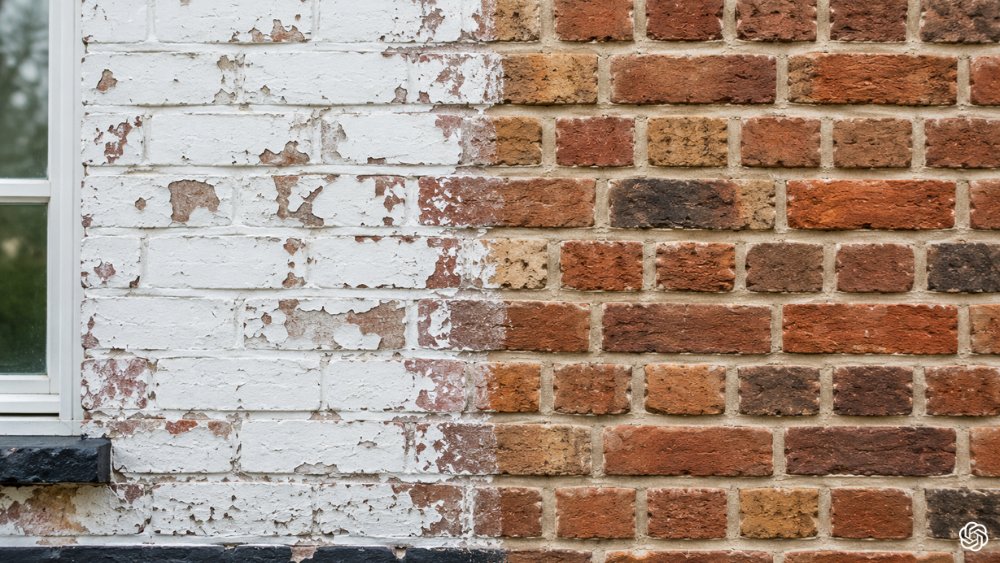
When damp becomes trapped under paint, it can show as bubbling, peeling or discolouration on the surface. The paint begins to lift away from the substrate because moisture pressure pushes from beneath. This is not a failure of the paint itself but a sign that the wall is struggling to release water vapour. Removing the paint allows the building to breathe again, which is essential for controlling moisture and maintaining structural integrity. Once the paint is removed, the full condition of the masonry can be assessed, and this often reveals areas where mortar has weakened, bricks have spalled or previous repairs were incomplete.
In older buildings especially, paint removal helps recover the original fabric of the structure. Many heritage properties have been painted in the past to modernise their appearance, cover repairs or hide discoloured surfaces. Over decades these layers of paint obscure historic brick patterns and stone textures that are part of the building’s identity. Removing paint without damaging the underlying material requires expertise, but the outcome often reveals surprising details and contributes to heritage preservation. People responsible for stewarding historic buildings frequently seek advice on paint removal as a first step in wider conservation work, such as repointing, stone cleaning or the application of breathable protective treatments.
Moisture control is not the only health related factor. Paint removal can also help prevent issues associated with algae, mould and pollutants that build up on painted surfaces. When paint begins to fail, it creates small pockets where dirt and moisture collect. These zones offer the ideal environment for biological growth that can gradually weaken the surface further or cause unattractive staining. Removing the paint gets rid of these hidden pockets and allows for proper cleaning of the material. Once cleaned, the masonry can remain stable for longer periods, provided that breathable treatments are used where necessary.
The long term health benefits of paint removal extend to thermal performance as well. Masonry that is allowed to breathe performs more consistently in varying temperatures. When damp is able to escape naturally, bricks and stone maintain their insulating properties more effectively. A damp wall loses heat faster, which means trapped moisture not only affects structure but can make a building less energy efficient. Removing impermeable paint layers is therefore part of a wider approach to sustainable building maintenance.
Understanding how a paint removal service works
A paint removal service usually begins with a detailed assessment of the building. Understanding the type of substrate, the number of paint layers and the presence of moisture or contaminants is essential before any removal takes place. Different materials respond differently to removal methods. Brick, stone and render each have unique levels of porosity and hardness. Painted wood and metal also require distinct approaches. A skilled survey aims to determine the safest method of removal while preserving the integrity of the original material.
Most paint removal methods for masonry involve either chemical removers formulated for bricks and stone, controlled low pressure cleaning, or combined techniques that soften and lift paint without harsh abrasion. A reputable approach avoids high pressure blasting that risks cutting into the surface, removing the protective outer layer of brick or damaging mortar joints. For heritage or fragile substrates, a gentle and carefully controlled system is essential. During removal, protective coverings are usually placed over nearby surfaces to control debris and ensure the environment remains safe and tidy.
The removal process can take time, particularly if multiple paint layers have built up over decades. Each layer may respond differently, and in some cases a test patch is carried out to understand how the surface will react. Test patches are useful because they reveal any unexpected weaknesses in the masonry, any areas of previous repair and any zones affected by deep moisture penetration. After the paint has been removed from the test patch, adjustments can be made to ensure the larger area is treated correctly.
If a building has an older paint layer containing lead, specialist handling is required to avoid the release of hazardous dust. This issue is more common in older properties where paint was applied many decades ago. In such cases safe removal techniques and the use of protective equipment are vital. The removal process is planned carefully to ensure that both the building and the people around it remain safe.
Once the paint has been removed, the surface is cleaned and rinsed thoroughly to remove residues. The newly exposed masonry often reveals variations in colour or texture because paint may have protected some areas while allowing moisture damage to develop in others. After cleaning, it becomes easier to identify areas in need of repair. This might include repointing of mortar joints, restoration of damaged bricks or stone, or further cleaning to address stains or pollution deposits. The paint removal stage therefore forms part of a broader restoration process that supports long term building care.
A well executed service ends with advice on aftercare. Depending on the building and the environment, this may involve guidance on breathable protective coatings, recommendations for future cleaning and suggestions on how to prevent moisture build up. These aftercare steps help ensure that the benefits of paint removal are preserved for many years.
When paint removal is the most appropriate choice
Paint removal is often considered when the surface appearance has deteriorated. Flaking paint, discolouration, surface cracking and bubbling are signs that the paint is no longer performing as intended. Rather than repainting over the damaged surface, which often traps moisture further, removal gives the building a fresh start. Removing the paint avoids compounding the problem and offers the opportunity to treat underlying issues.
Another common reason for removal is the desire to reveal the original material. Many people value the authentic appearance of exposed brick or natural stone, especially in buildings with distinctive architectural features or historical character. Paint can conceal craftsmanship and original detail that contributes to a building’s personality. By removing paint in a careful and respectful manner, the property owner can reinstate this natural look and appreciate the true material beneath.
Paint removal is also needed when a building is undergoing major restoration. Work such as repointing, stone cleaning, render removal or structural inspection is more accurate when paint no longer hides the substrate. Paint can mask cracks, failing mortar or areas where water has been penetrating the surface. Removal allows professionals to assess the building honestly and carry out essential repair work before any new surface treatment is applied.
For some buildings, paint removal becomes necessary for health and safety reasons. Trapped moisture can create damp conditions internally, which may affect air quality and contribute to mould inside the building. Removing non breathable paint helps the wall release trapped moisture, improving the indoor environment. Additionally, addressing older paint that contains harmful compounds requires careful removal to protect occupants and ensure compliance with modern safety standards.
There are environmental reasons to consider removal as well. Repainting over failing surfaces often leads to a cycle of repeated paint application. When this continues over many years, the wall becomes increasingly sealed, moisture becomes increasingly trapped and waste from failed paint layers accumulates. By choosing removal instead of repeated painting, a property owner takes a more sustainable approach that respects the life cycle of the building materials.
What to expect after paint removal and why proper aftercare matters
Once paint has been removed, the building enters a renewed phase of maintenance. The newly exposed masonry may appear uneven in colour or texture at first, particularly if the paint had protected some areas while hiding moisture issues in others. These variations usually settle over time as the wall dries naturally and responds to weather conditions. It is important to allow the masonry time to breathe and stabilise before applying any further treatments.
After removal, many property owners use this opportunity to undertake additional restorative work. Repointing is a common next step because the mortar joints become fully accessible. If the mortar has deteriorated due to trapped moisture or inappropriate past repairs, repointing with a suitable mix helps improve structural integrity and weather resistance. Stone cleaning may also be beneficial if pollution or biological growth remains on the surface. These follow up tasks allow the building to regain its natural appearance and function.
Protective treatments may be recommended in certain situations, especially for walls exposed to high levels of pollution or moisture. Any coating used should be breathable so that moisture can continue to move through the wall. Breathable coatings provide a protective layer while maintaining the natural vapour exchange of the masonry. Using non breathable coatings would recreate the issues that the paint removal was designed to resolve, so careful selection is essential.
Routine care after paint removal is usually straightforward. Periodic inspection for moss, algae or staining helps maintain the surface. Gentle cleaning carried out at appropriate intervals prevents the build up of dirt or pollutants that could reduce the lifespan of the masonry. Most importantly, maintaining good drainage around the building helps keep brick or stone dry, reducing the risk of moisture related deterioration.
The period following paint removal also provides valuable information about the building’s behaviour. As the wall dries, any remaining structural concerns become visible. Addressing these early can prevent larger problems in the future. Over time the exposed masonry will develop a natural patina, which many people find appealing. This natural weathering highlights the authenticity of the material and contributes to the building’s overall character.
Why paint removal supports sustainable, long term building care
Paint removal contributes to a more sustainable approach to building care through improved material performance, reduced waste and enhanced longevity. Repainting failing surfaces leads to the repeated use of synthetic coatings that eventually peel away and require disposal. Removing the paint instead of covering it helps to break this cycle and encourages owners to work with the building rather than against it.
When masonry is allowed to breathe, it performs more naturally and efficiently. This reduces damp related problems and supports more stable internal environments. It also improves the lifespan of bricks, stone and mortar by preventing moisture related decay. Because these materials last longer, fewer repairs and replacements are needed over time, which in turn reduces the environmental impact of sourcing, transporting and installing new materials.
Sustainable building care also involves respecting the original design and materials of a structure. Paint removal aligns with this philosophy by revealing and preserving the authentic surfaces rather than concealing them. In conservation environments, retaining original materials is a core principle. Removing modern or failing paint helps uphold the integrity of older buildings and ensures that future generations can appreciate their craftsmanship.
By considering the long term effects of paint removal rather than viewing it as a one time cosmetic improvement, property owners help support responsible stewardship of the built environment. This holistic perspective is increasingly valued in construction, renovation and conservation communities where durability and sustainability are priorities.
Final thoughts
Paint removal is far more than an aesthetic intervention. It is a meaningful process that can restore the natural state of a building, reveal hidden issues, improve moisture control and support long term structural health. Whether a building has been painted to modernise its appearance, hide imperfections or protect the surface, these layers can over time hinder natural performance. Removing them allows the building to breathe freely, stabilise and return to a more authentic condition.
Understanding the reasons for paint failure, the methods used to remove paint safely and the benefits gained from exposing natural masonry helps property owners make informed decisions. With thoughtful aftercare, exposed brick or stone can remain durable, attractive and functional for decades. Paint removal therefore holds an important place in responsible property maintenance and sustainable building care, offering both practical and aesthetic advantages that last long after the paint has been lifted away.