
Render Removal Service Explained: Why Removing Old Render Could Transform Your Home
Many homes across the UK still wear a layer of older cement render or pebble dash. For some, it may look fine at first glance. But over time that render can crack, trap moisture and hide what lies beneath. If you have begun to notice damp patches inside, cold walls in winter, or simply a dull exterior that lacks character, you might wonder whether removing that render could actually benefit your home. This blog explores, in depth, why render removal is increasingly viewed as a wise and long term choice by homeowners and restoration professionals. It explains what render was supposed to do, how and why it fails over decades, what happens when you remove it, and what you need to know to make an informed decision.
The concept of render was once straightforward. Brick or stone masonry can be uneven, varied in texture, or show signs of ageing and patch repairs. Applying a cement-based or pebble dash render created a uniform finish, offered a measure of weather resistance, and allowed easy painting to match a desired aesthetic. For mid-century homes or buildings altered over time, render provided an inexpensive, practical solution to achieve a clean external finish. As such, many properties from various eras ended up with render laid over original masonry, sometimes hiding the character of the building’s brick or stone.
In the beginning, render might perform reasonably well. When properly applied and maintained, it can keep out rain, disguise imperfections, and give a neat facade. Yet the problem lies in longevity and compatibility. Cement-based renders are inherently rigid and do not respond well to the slow movement of buildings, seasonal shifts in temperature and moisture cycles. Over many years or decades, minor settlement or temperature variation can lead to hairline cracks. What begins as a superficial flaw gradually becomes a gateway for water ingress. Rainwater, capillary moisture or damp carried from the ground may seep behind the render and remain trapped against the brick or stone. This trapped moisture cannot evaporate easily because the dense render blocks natural vapour flow. Over time that can lead to salt crystallisation, mortar decay, spalling brick faces, and chronic damp problems in internal walls. In short, render transforms into a barrier that prevents the building from breathing, turning what was once protection into a liability.
Faced with these risks homeowners may decide that continuing to patch render, paint over cracks or apply more layers is merely treating symptoms. What they really need is clarity: removing the render to reveal the true condition of the masonry beneath. This decision is increasingly common among people who care about the long-term health, character and value of their home.
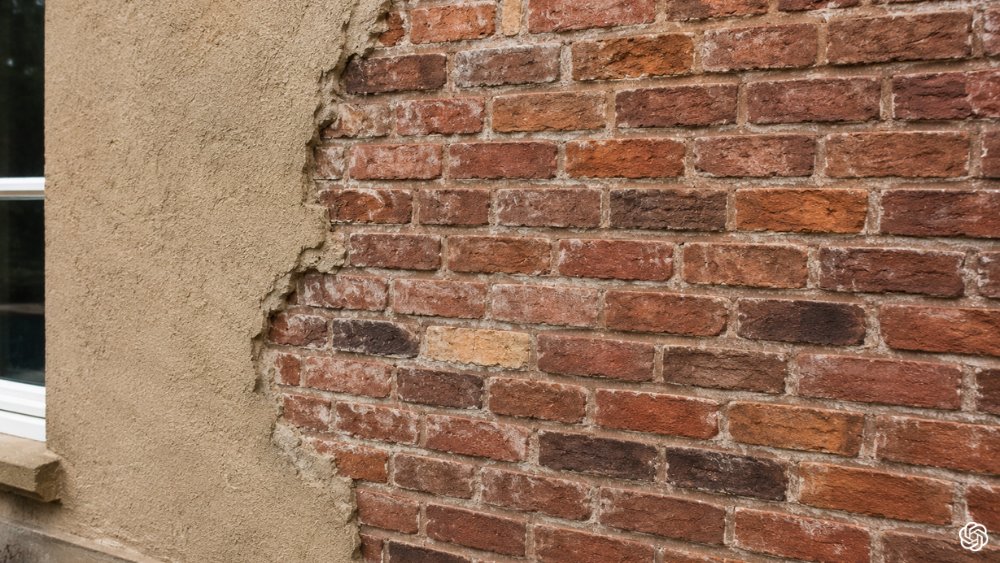
When render is stripped off carefully by trained professionals, it offers a moment of truth. You see the original brickwork or stone, inspect mortar joints, and check for previous repairs, damp stains or salt damage. This honest assessment reveals whether the masonry remains sound or needs repointing or deeper restoration. For many older or period homes, the revealed brick or stone offers a timeless architectural character that render always concealed. For more modern properties, the clean masonry can be a fresh canvas for new, breathable finishes, modern insulation, or a simple exposed-brick aesthetic.
Moreover, render removal can significantly improve how a home deals with moisture. Once the dense outer coating is gone, walls can breathe again. Moisture trapped behind render can escape naturally, evaporation becomes possible, and internal damp or condensation risks fall. This restored breathability improves thermal performance, reduces the likelihood of rising damp or internal mould, and makes the building more resilient to weather.
Choosing render removal also aligns with a modern understanding of building maintenance based on prevention rather than repeated patching. Instead of dealing repeatedly with cracked render, peeling paint or worsening damp, removal offers a once-for-all reset. It opens the door for proper repointing of mortar joints, cleaning or replacement of damaged bricks, and applying breathable wall protection if needed. In doing so it protects structural integrity, supports long term performance, and avoids hidden damage that might otherwise surface years down the road.
Of course render removal is not simple. It is a careful, labour-intensive process that requires skill, knowledge of materials and respect for the building fabric. The first step is a thorough inspection by experts. A small test patch is often undertaken in an inconspicuous area. This allows the restoration team to examine brick or stone condition, mortar joints and potential hidden damage before committing to full removal. That test patch gives the homeowner a realistic preview of what the wall will look like when exposed and whether masonry requires repair or repointing.
Once the assessment is complete the removal process begins. Skilled craftsmen avoid aggressive blasting or overly heavy mechanical tools that could damage soft bricks or mortar joints. Instead they often use gentle chiselling or controlled, careful removal methods tailored to the type of render and the masonry beneath. The aim is always to preserve as much of the original brick or stone as possible while removing worn out, moisture-trapping render safely and thoroughly.
After the render is removed the exposed surface is cleaned, mortar joints examined and replaced or repointed where needed using breathable materials. This careful repointing is essential for long term structural stability and weather resistance. At this stage, homeowners may have to decide whether to leave masonry exposed, apply a new breathable render, or add external insulation depending on long term plans, aesthetics and building type.
For property owners considering energy efficiency improvements or external wall insulation, starting with clean, stable masonry can make a big difference. Old render may prevent insulation from bonding correctly or hide damp that undermines performance. Removing it first ensures that any future upgrades start on a sound, dry base, maximising the effectiveness of insulation or protective renders and reducing risk of moisture problems later.
Beyond structural integrity and performance, render removal often delivers an aesthetic transformation. For older or heritage homes it can restore period features, rebalance architectural proportions, and reveal original stone or brick craftsmanship once lost under layers of cement. For modern homes it can provide a fresh, minimalist exterior or the potential for contemporary finishes that suit today’s taste. Many homeowners find the revealed masonry contributes to kerb appeal, market value and a sense of authenticity.
Moreover there are environmental and maintenance benefits. Removing old, failing render reduces the need for repeated patching and repainting, which over time lowers maintenance costs and reduces waste. Once walls are restored and repointed properly, they require less frequent intervention. For stone or brick surfaces, thorough cleaning after render removal helps counter pollution, algae or biological growth which often accumulate on old render surfaces in damp climates. Exposing masonry also enables more appropriate protective treatments, often breathable and less harmful to the environment than long-term layers of cement render and paint that trap moisture.
Yet render removal is not automatically the right choice for every property. Some brickwork may never have been laid with the intention of exposure. Bricks might be mismatched, rough, or simply not attractive once revealed. Some mortar joints may be badly deteriorated. Removing render could expose surfaces that are weaker than expected, requiring extensive repointing or even brick replacement. For homes with soft brick or older masonry, careless removal can cause damage. That is why a professional evaluation is vital before proceeding.
Another consideration is cost and time. Render removal is more labour intensive than simple repainting or patching. It involves careful removal, waste disposal, protective coverings, cleaning, masonry repair, maybe repointing, and final finishing or protection. For homeowners planning restoration or renovation it is important to budget accordingly and factor in time for proper drying, inspection and repair work.
Despite these drawbacks, for many homeowners the long term advantages outweigh the initial investment. Once render is removed and walls restored, the property tends to be more stable, breathable, easier to maintain and often more energy efficient. The restored masonry offers a reliable base for future work and ensures that moisture no longer hides behind render where it quietly degrades your building from inside.
Importantly, when render removal is carried out by an experienced exterior restoration company with a track record in brick cleaning, stone cleaning, repointing and masonry restoration you benefit from their knowledge of building materials, climate, and best practices for historic and modern houses. Using proper methods for different materials, using test patches, breathable mortars, correct cleaning techniques, and waste management make a big difference. This approach reduces the chance of damaging brick faces, avoids trapping moisture under new coatings, and preserves the original character of the structure.
For property owners considering a renovation or refurbishment, render removal can represent the first step in a broader restoration plan. Once walls are clean and stable you might choose to apply breathable lime render, modern insulation, protective stone treatments or simply enjoy exposed brick for its character and charm. Each choice becomes informed by the real condition of the building rather than assumptions made decades ago when the render was first applied.
If your home shows signs of dampness, cracking render, heat loss or has an aged exterior that looks tired and outdated, render removal might be worth exploring. A professional assessment and, if suitable, a gradual restoration plan that includes test patches, careful removal, cleaning, repointing and final finishing can deliver a robust, long lasting result. In doing so you safeguard structural integrity, improve breathability, reduce maintenance, and often rediscover the true character and heritage of your home.
Render removal is more than cosmetic. It is a decision rooted in long term thinking, structural health, environmental sensibility and respect for original materials. For the right property, handled with care and expertise, render removal can transform a facade from a potential liability into a stable, breathable, beautiful asset.