
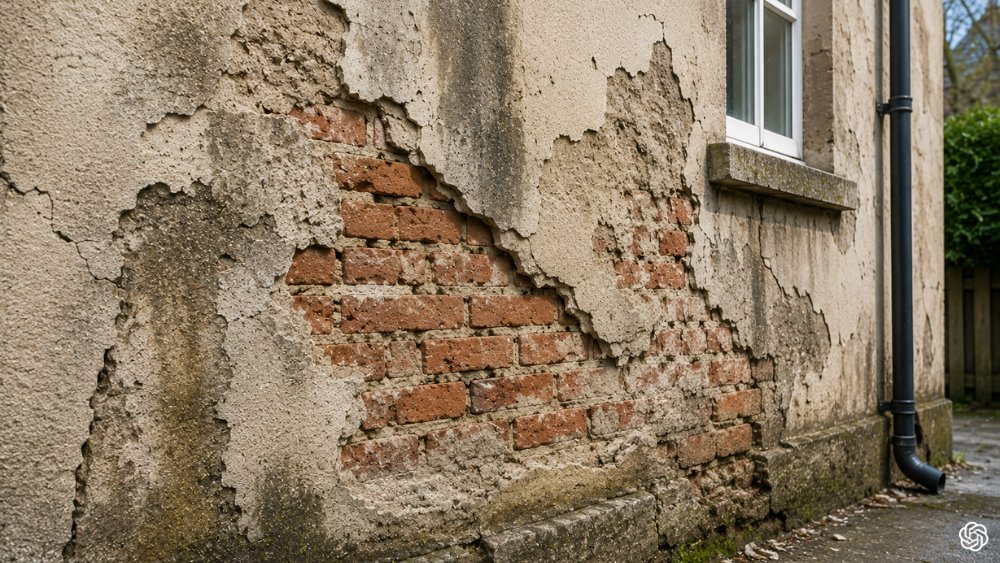
Signs Your Property Needs Professional Render Removal
When you look at your property from the outside, the render often feels like a protective skin that keeps everything looking neat and well maintained. Over time, though, this outer layer can begin to fail in ways that are not always obvious at first glance. Many homeowners only notice something is wrong when the damage has already progressed quite far. Understanding the early signs that your property needs professional render removal can help you act at the right time, prevent deeper structural issues, and maintain the overall condition of your building.
Render removal is not just about improving appearance. It is often a necessary step to protect the integrity of walls, avoid moisture damage, and prepare surfaces for proper restoration. If you have ever wondered whether the cracks, stains, or peeling areas on your walls are serious or just cosmetic, this guide will help you recognise the warning signs and understand what they mean.
Visible Cracks And Surface Damage Should Not Be Ignored
One of the most common and noticeable signs that render removal may be required is the appearance of cracks across the surface. These cracks can vary in size, from fine hairline lines to deeper splits that extend across large sections of the wall. While small cracks might seem harmless, they often indicate underlying issues that can worsen over time.
Cracks allow water to enter behind the render, which can lead to damp problems inside the property. When moisture becomes trapped, it weakens both the render and the wall beneath. Over time, this can result in larger sections of render breaking away or bulging outward. In many cases, repeated patch repairs do not solve the problem because the root cause remains hidden beneath the surface.
Surface damage such as chipping, flaking, or crumbling is another clear sign. When the render begins to lose its bond with the wall, it no longer provides proper protection. This often happens due to age, poor application, or exposure to harsh weather conditions. If the surface feels loose or hollow when tapped, it may indicate that the render is no longer securely attached and needs to be removed professionally.
Damp Patches And Discolouration Can Signal Deeper Issues
Damp patches are often one of the earliest warning signs that something is wrong with your render. These patches may appear as darker areas on the wall, especially after rain. In some cases, they may not dry out fully, leaving a persistent damp look that spreads over time.
Discolouration is another related issue that should not be overlooked. You might notice uneven colour tones, staining, or areas where the render looks significantly darker or lighter than the surrounding surface. This is often caused by moisture being absorbed into the render, which can weaken its structure and lead to further damage.
When moisture becomes trapped behind the render, it can also lead to mould growth. This is not only a problem for the building but can also affect indoor air quality. In older properties, damp issues linked to failing render can spread internally, leading to peeling paint, damaged plaster, and even structural concerns if left untreated.
Professional render removal becomes necessary in such cases because simply repainting or patching the surface does not address the moisture trapped underneath. Removing the damaged render allows the wall to dry properly and provides a clean base for future treatment.
Bulging Or Hollow Areas Indicate Loss Of Bond
Another strong indication that your property may need render removal is the presence of bulging sections or hollow sounding areas. These are often easy to identify once you know what to look for. Bulging occurs when the render begins to detach from the wall, creating a raised or uneven surface.
If you gently tap different sections of the render and notice a hollow sound, it suggests that the bond between the render and the wall has weakened. This can happen due to poor adhesion during installation, water ingress, or natural ageing of the material.
Hollow areas are particularly concerning because they can lead to sudden failure. Sections of render may eventually fall away, posing a safety risk and exposing the wall beneath to the elements. In such cases, removing the affected render is usually the safest and most effective solution.
Addressing these issues early can prevent more extensive damage and reduce the need for larger repairs later. It also ensures that any new render applied in the future will have a strong and stable base.
Peeling Paint And Repeated Repairs Often Point To Underlying Problems
If you find yourself repainting the exterior walls frequently or dealing with paint that peels shortly after application, it may not be just a paint issue. Often, this is a sign that the render beneath is failing.
Peeling paint occurs when moisture pushes through the render and breaks the bond between the paint and the surface. This can happen even if high quality paint is used. In such cases, the problem lies deeper than the surface finish.
Repeated repairs are another warning sign. If certain areas of your render keep needing attention, it suggests that the underlying structure is compromised. Temporary fixes might improve the appearance for a short time, but they do not resolve the root cause.
Professional assessment can help determine whether full or partial render removal is needed. By addressing the underlying issues rather than just the visible symptoms, you can achieve a more lasting solution and avoid ongoing maintenance costs.
Crumbling Render And Loose Material Are Clear Indicators
When render starts to crumble or break apart easily, it is a clear sign that it has reached the end of its lifespan. This is often seen in older properties where the render has been exposed to years of weathering.
Loose material may fall away when touched, or you might notice small fragments collecting at the base of the wall. This indicates that the render has lost its strength and can no longer protect the structure effectively.
Crumbling render not only affects the appearance of the property but also exposes the underlying wall to damage. Water can enter more easily, leading to further deterioration. In some cases, the wall itself may begin to weaken if the problem is not addressed.
Removing the damaged render allows for a proper inspection of the wall beneath and ensures that any issues are identified and treated before new render is applied.
Salt Deposits And Efflorescence Reveal Moisture Movement
White powdery deposits on the surface of your walls, often referred to as efflorescence, are another sign that your render may be failing. These deposits occur when water moves through the wall and brings salts to the surface.
While efflorescence itself is not harmful, it indicates that moisture is travelling through the structure. This movement of water can weaken the render over time and lead to other issues such as cracking or detachment.
If these deposits keep returning even after cleaning, it suggests that the source of moisture has not been resolved. In such cases, removing the render may be necessary to identify and fix the underlying problem.
Understanding how moisture behaves within your walls can help you make informed decisions about maintenance and repairs. It also highlights the importance of addressing issues at their source rather than focusing only on surface appearance.
Ageing Render And Outdated Materials Can Affect Performance
Render does not last forever. Over time, even well applied render can begin to degrade. The lifespan of render depends on factors such as the type of material used, environmental conditions, and the quality of installation.
Older render systems may not meet modern standards and could be more prone to cracking, moisture absorption, and failure. In some cases, properties have multiple layers of render applied over the years, which can create additional stress on the walls.
If your property has not had its render updated for a long time, it may be worth considering whether removal and replacement would improve both performance and appearance. Modern rendering systems are designed to be more durable and breathable, helping to reduce the risk of future problems.
A thorough assessment can help determine whether the existing render is still suitable or if removal is the better option.
Structural Movement And External Stress Can Damage Render
Buildings naturally settle over time, and this movement can affect the render on the surface. Structural shifts, even small ones, can create stress that leads to cracking or separation of the render from the wall.
External factors such as temperature changes, heavy rainfall, and exposure to wind can also contribute to render damage. In areas where weather conditions are particularly harsh, render may deteriorate more quickly.
If you notice patterns of cracking that follow structural lines or areas where the render appears to have shifted, it may be linked to movement within the building. In such cases, simply repairing the surface may not be enough.
Removing the damaged render allows for a closer inspection of the structure and helps ensure that any movement related issues are properly addressed before a new render is applied.
Why Early Action Makes A Significant Difference
Recognising the signs that your property needs professional render removal is only part of the process. Acting on these signs at the right time can make a significant difference in the outcome.
Delaying action often leads to more extensive damage, higher repair costs, and longer periods of disruption. What starts as a small crack or damp patch can develop into a larger issue that affects the structure of the building.
Early intervention helps preserve the condition of your property and ensures that any repairs are carried out efficiently. It also provides an opportunity to improve the overall performance of the walls, especially when modern materials and methods are used.
If you are unsure about the condition of your render, seeking professional advice can provide clarity. Experts can assess the situation, identify the cause of the problem, and recommend the most suitable course of action.
Understanding The Importance Of Proper Removal Techniques
Render removal is not a simple task that can be done without care. It requires the right tools, techniques, and understanding of the structure beneath. Improper removal can cause damage to the wall and create additional problems.
Professional teams use controlled methods to remove render safely while protecting the underlying surface. This ensures that the wall remains intact and ready for any further treatment or re rendering.
The process often includes careful inspection, removal of damaged sections, and preparation of the surface. This approach helps achieve a clean and stable base, which is essential for any future work.
Choosing the right approach to render removal can have a lasting impact on the condition of your property. It is not just about removing what is visible but also about preparing the structure for long term performance.
A Final Thought On Protecting Your Property
Your property’s exterior plays a vital role in protecting everything inside. Render acts as a barrier against the elements, but when it begins to fail, it can no longer perform this function effectively.
By understanding the signs that indicate the need for professional render removal, you can take informed steps to maintain your property. Whether it is cracking, damp, discolouration, or crumbling surfaces, each sign tells a story about what is happening beneath.
Paying attention to these signals and acting early can help prevent further damage and ensure that your property remains in good condition for years to come.At Dynamic Restoration Ltd., we provide professional render removal services designed to safely strip away failing or damaged render while protecting the structure beneath. We focus on identifying the root cause of issues such as cracking, damp, and poor adhesion, ensuring your property is properly prepared for long term improvement. Our approach combines careful methods with practical expertise to deliver clean, effective results that support the overall condition of your building.