
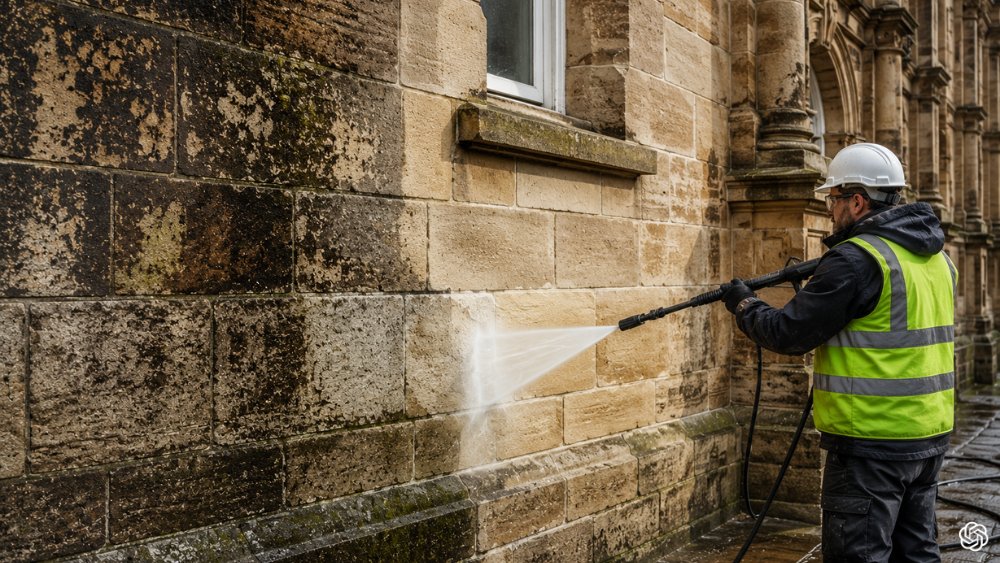
How Chemical Stone Cleaning Helps Prevent Long-Term Structural Damage
Stone surfaces can last for centuries, but only when they receive the right care at the right time. Across the UK, buildings made from sandstone, limestone, brick and natural stone face constant exposure to rain, pollution, algae, moss and trapped moisture. Over time, these issues slowly weaken the surface and create deeper structural concerns that many property owners fail to notice until major repairs become necessary. Chemical stone cleaning has become one of the most effective ways to protect stonework from gradual decay while helping buildings maintain their original appearance and strength.
Modern stone cleaning methods do far more than improve visual appearance. They help remove harmful contaminants that settle into porous stone surfaces and slowly break down the material from within. Dirt, biological growth, carbon staining and pollution particles often hold moisture against stone for long periods. This moisture penetration can lead to cracks, erosion, frost damage and weakened mortar joints. Professional chemical cleaning methods are designed to target these harmful deposits carefully while protecting the integrity of the stone itself.
Many older buildings across the UK suffer from damage caused by years of untreated contamination. Black staining from traffic pollution, green algae caused by damp conditions and mineral deposits from water exposure can all affect the condition of stonework over time. Property owners often focus only on the visible staining without understanding the hidden structural impact underneath. This is why stone cleaning has become an important part of long-term building maintenance rather than a cosmetic process alone.
Chemical stone cleaning is widely used on heritage buildings, commercial properties, churches, residential homes and historic structures because it allows specialists to remove harmful substances without aggressive abrasion. Traditional cleaning methods such as high-pressure washing can sometimes damage fragile surfaces if used incorrectly. Modern chemical treatments work differently. They soften and break down contaminants carefully so they can be removed safely while preserving the natural surface of the stone.
Why Dirt, Pollution and Organic Growth Cause Structural Problems
Stone buildings are designed to last for decades, yet constant exposure to moisture, pollution and biological growth can slowly weaken even the strongest surfaces. Many property owners notice stains or green patches on stone walls but often overlook the deeper structural issues developing underneath. Dirt, algae and airborne pollutants do not simply affect appearance. They gradually damage the stone surface, trap moisture and increase the risk of long-term deterioration. Understanding how these elements affect natural stone can help prevent expensive repairs and preserve the condition of buildings for years to come.
Moisture Build-Up Weakens Natural Stone
Most natural stone materials contain tiny pores that absorb moisture from rain, humidity and environmental exposure. When dirt, moss and algae settle on the surface, they hold water against the stone for long periods. This trapped moisture slowly penetrates deeper into the material and weakens its internal structure.
During colder weather, the moisture inside the stone begins to freeze and expand. As temperatures rise again, the ice melts and leaves behind small cracks. This freeze and thaw cycle repeats throughout the year and gradually causes the stone to break down. Over time, surfaces may start crumbling, flaking or splitting, especially on older buildings exposed to harsh weather conditions.
Air Pollution Accelerates Stone Decay
Buildings located in busy urban areas often suffer from pollution damage caused by traffic emissions, industrial particles and airborne contaminants. These pollutants settle on stone surfaces and create dark carbon staining that becomes harder to remove over time.
Many pollution particles contain acidic compounds that slowly react with natural stone. Limestone and sandstone are especially vulnerable because their surfaces are softer and more porous. As pollution continues building up, the outer protective layer of the stone begins wearing away. This increases the risk of erosion, water penetration and surface instability. Without regular stone cleaning, pollution damage can eventually affect both the appearance and strength of the structure.
Organic Growth Creates Hidden Structural Risks
Algae, fungi, moss and lichen often develop in damp or shaded areas where moisture remains trapped for longer periods. Although these growths may appear harmless at first, they can slowly spread deeper into the stone surface and create hidden structural problems.
Organic growth increases moisture retention and prevents stone from drying naturally. Some biological organisms also produce mild acidic reactions that weaken the stone over time. Damp surfaces may encourage internal moisture issues inside the property, including mould growth and weakened wall sections. In severe cases, neglected stonework can lead to unstable masonry, damaged mortar joints and loose exterior surfaces.
Chemical Stone Cleaning Helps Prevent Long-Term Damage
Professional chemical stone cleaning removes harmful contamination without causing unnecessary surface damage. Instead of using excessive pressure that may weaken the stone further, specialist cleaning treatments break down dirt, algae and pollution carefully and safely.
The cleaning process is adjusted according to the type of stone, the age of the building and the level of contamination. This controlled method helps protect delicate surfaces while restoring the natural condition of the material. Removing harmful build-up early can reduce the risk of moisture penetration, cracking and gradual structural decay.
Restoring Breathability Protects Stone Surfaces
Stone buildings naturally absorb and release moisture through tiny surface pores. When pollution, dirt and biological growth block these pores, trapped moisture remains inside the structure for longer periods. This creates internal pressure that speeds up deterioration and weakens the stone gradually.
Correct stone cleaning methods help reopen the surface safely and allow moisture to escape naturally again. This process improves the breathability of the material and helps reduce future damage caused by damp conditions. Well-maintained stone surfaces remain stronger, drier and more resistant to environmental exposure over the long term.
How Chemical Stone Cleaning Works on Different Types of Stone
Every type of stone reacts differently to moisture, pollution, dirt and cleaning treatments. This is why professional chemical stone cleaning requires a careful and surface-specific approach rather than one standard method for every building. Factors such as density, porosity and mineral composition all influence how stone surfaces respond to contamination and cleaning products. Using the correct treatment for each material helps remove harmful build-up safely while protecting the natural condition of the stone.
Limestone Requires Gentle Cleaning Methods
Limestone is widely used in historic and traditional buildings across the UK, but it is also one of the most delicate natural stone materials. Because limestone contains calcium carbonate, strong acidic products can quickly damage the surface if applied incorrectly. Poor cleaning methods may lead to surface erosion, discolouration and permanent texture loss.
Professional chemical stone cleaning for limestone uses carefully selected treatments that remove pollution staining, algae and dirt without affecting the stone’s natural finish. These specialist solutions work gradually to lift contaminants while helping preserve the original appearance of the building. Gentle cleaning is especially important for heritage properties where protecting the age and character of the stone is a priority.
Sandstone Cleaning Helps Reduce Moisture Problems
Sandstone is highly porous, which means it absorbs moisture more easily than many other building materials. Over time, dirt, moss and organic growth can settle deep inside the stone and create long-term damp issues. If left untreated, trapped moisture may weaken the stone and increase the risk of cracking during colder weather.
Chemical sandstone cleaning helps break down deep surface contamination in a controlled way. Instead of damaging the outer layer, the treatment works slowly to remove biological growth and pollution safely. Cleaning also helps reopen blocked surface pores, allowing trapped moisture to escape naturally. This can improve the long-term condition of sandstone walls and reduce future deterioration.
Granite Needs Specialist Stain Removal
Granite is stronger and denser than softer stones such as limestone or sandstone, but it can still suffer from environmental staining and pollution build-up. Dark patches, mineral deposits and traffic-related contamination often affect granite surfaces in busy urban areas.
Professional granite cleaning treatments are designed to remove these stains carefully while maintaining the stone’s natural texture or polished finish. Because granite reacts differently to cleaning solutions, specialists choose products that clean effectively without dulling or damaging the surface. Correct cleaning methods help restore the appearance of granite while protecting its durability.
Brick and Masonry Surfaces Also Benefit from Chemical Cleaning
Chemical cleaning is not limited to natural stone alone. Brickwork and masonry surfaces can also develop heavy staining, algae growth and atmospheric pollution over time. Older buildings are particularly vulnerable because ageing mortar joints and weathered surfaces absorb contaminants more easily.
Specialist masonry cleaning solutions help remove dirt, paint residue and carbon staining without causing unnecessary wear to the structure. Proper cleaning methods also protect mortar joints, which play an important role in maintaining the stability of brick and stone walls. Safe chemical cleaning helps older buildings remain both structurally sound and visually well maintained.
Dwell Time Plays an Important Role in Stone Cleaning
One of the most important parts of chemical stone cleaning is dwell time. This refers to the amount of time the cleaning product remains on the surface before removal. The correct dwell time allows the treatment to break down dirt, algae and staining fully without placing stress on the stone.
If the solution is removed too quickly, contaminants may remain trapped within the surface. If left for too long, sensitive materials may become damaged or weakened. Experienced stone cleaning specialists carefully monitor this process to achieve safe and effective results on different types of stone and masonry.
Surface Testing Helps Prevent Unnecessary Damage
Professional stone cleaning always begins with careful testing before the full cleaning process starts. Testing small sections first helps professionals understand how the stone surface responds to different treatments and allows them to choose the most suitable cleaning approach for the building.
This process is especially important for older and heritage properties where years of weather exposure may have weakened certain sections of the stone. Testing helps avoid unnecessary damage while ensuring the chosen cleaning solution works effectively on the surface. A careful approach helps preserve the strength, appearance and lifespan of the stonework for many years.
The Long-Term Benefits of Preventative Stone Cleaning
Preventative stone cleaning plays an important role in protecting buildings from gradual structural decline. Many property owners focus only on visible staining and overlook the deeper impact that dirt, moisture and pollution can have on stone surfaces over time. What may begin as a small patch of algae or carbon staining can slowly develop into serious masonry issues if left untreated. Regular chemical stone cleaning helps stop this process early and supports the long-term condition, appearance and stability of stone buildings.
Prevents Expensive Structural Repairs
One major benefit of preventative stone cleaning is helping property owners avoid expensive structural repairs later on. Dirt, pollution and organic growth can trap moisture inside stone surfaces, leading to cracks, erosion and weakened mortar joints. As these problems worsen, buildings may require major restoration work that is far more expensive than regular maintenance cleaning.
Professional chemical stone cleaning removes harmful contamination before it causes long-term damage. By keeping stone surfaces clean and breathable, property owners can help protect masonry structures from gradual deterioration and avoid serious structural concerns later.
Helps Reduce Moisture and Damp Problems
Moisture retention is one of the leading causes of stone decay in older buildings. When algae, moss and dirt cover the surface, water remains trapped for longer periods and slowly penetrates deeper into the stone. This can lead to damp internal walls, weakened masonry and poor insulation performance.
Regular stone cleaning helps remove these moisture-holding contaminants and allows the building to dry naturally. Cleaner and drier walls often contribute to more stable indoor conditions throughout the year. This is especially beneficial for older homes and heritage buildings where moisture control can be difficult.
Protects the Original Condition of Historic Buildings
Historic and listed buildings across the UK require careful preservation to maintain their original appearance and structure. Replacing damaged stonework can be expensive and finding matching materials is often challenging, particularly for older properties with aged masonry.
Preventative stone cleaning helps preserve original stone surfaces by slowing down weathering and contamination build-up. Gentle chemical cleaning methods remove harmful deposits while protecting the natural texture and character of the building. This approach is widely used in conservation projects where preserving original materials is essential.
Improves the Appearance and Value of Properties
The condition of exterior stonework has a strong influence on the overall appearance of a property. Stained, weathered or neglected surfaces can make buildings appear poorly maintained, even when there are no major structural problems visible yet.
Clean stone surfaces create a brighter, well-maintained appearance that improves kerb appeal and property presentation. This can be particularly important for commercial buildings, heritage sites and residential properties where appearance affects public perception and market value. Regular stone maintenance also helps demonstrate ongoing care for the building.
Modern Stone Cleaning Methods Are Safer for Buildings
Stone cleaning techniques have improved significantly in recent years. Modern chemical cleaning methods focus on protecting the stone while removing contamination carefully and effectively. Many specialists now use environmentally considerate products and controlled application methods that reduce surface stress and minimise unnecessary water use.
This safer approach helps protect surrounding materials, landscaping and delicate masonry surfaces during the cleaning process. It also allows professionals to clean older buildings more carefully without causing avoidable damage to the structure.
Ongoing Maintenance Helps Prevent Future Damage
Stone cleaning should be viewed as part of a long-term maintenance plan rather than a one-time treatment. Buildings remain exposed to rain, pollution, traffic emissions and organic growth throughout their lifespan. Areas with high moisture levels or shaded conditions are especially vulnerable to recurring algae and moss build-up.
Regular inspections and maintenance cleaning help identify early signs of deterioration before they become severe. Addressing small issues early can help extend the lifespan of stone surfaces and reduce the likelihood of major restoration work in the future.
Why Professional Knowledge Matters in Stone Cleaning
Stone cleaning is far more complex than simply removing visible dirt from a surface. Every building reacts differently to moisture, pollution, weather exposure and cleaning treatments. Without the correct knowledge and experience, cleaning methods can easily damage natural stone and create long-term structural problems. Professional stone cleaning specialists understand how different materials behave and how to clean them safely while protecting their original condition.
Incorrect Cleaning Methods Can Damage Stone Surfaces
One of the most common mistakes in stone cleaning is using excessive pressure to remove dirt quickly. While pressure washing may appear effective at first, it can seriously damage softer stone materials such as limestone and sandstone. Excessive pressure can damage the surface layer of the stone, weaken mortar joints and push moisture further into the building structure.
Moisture trapped inside stonework may later lead to cracking, erosion and internal damp issues. In many cases, this damage is not immediately visible and continues developing long after the cleaning process has finished. Professional stone cleaning uses controlled methods that remove contamination safely without placing unnecessary stress on the surface.
Using the Wrong Chemicals Can Cause Permanent Damage
Different types of natural stone respond differently to cleaning chemicals based on their mineral content and overall surface condition. Some standard cleaning products contain harsh acidic ingredients that can damage stone quickly if used incorrectly. This may result in surface discolouration, rough textures and accelerated erosion.
Professional stone cleaning specialists understand which treatments are suitable for specific materials and contamination levels. Carefully selected chemical solutions help remove algae, pollution and staining without harming the structure of the stone. This balanced approach is especially important for older and more delicate surfaces.
Heritage Buildings Require Specialist Care
Historic buildings and traditional masonry structures often need a more careful cleaning approach because of their age and condition. Many older buildings contain weathered surfaces, previous repair work and fragile stone sections that can become damaged through aggressive cleaning methods.
Experienced professionals assess the condition of the building before starting any cleaning process. This allows them to identify vulnerable areas and select the safest treatment method for the property. Proper assessment helps preserve original stonework while reducing unnecessary risk during cleaning.
Weather Conditions Affect Cleaning Results
Environmental conditions play an important role in chemical stone cleaning. Temperature, rainfall and humidity levels can all influence how cleaning treatments react with stone surfaces. Applying products during freezing weather, strong sunlight or heavy rain may reduce effectiveness and affect surface absorption.
Professional stone cleaning teams carefully monitor weather conditions before and during the cleaning process. This helps ensure treatments work correctly and allows the stone to dry naturally after cleaning. Correct timing can significantly improve both safety and final results.
Aftercare Helps Protect Stone for Longer
Professional stone cleaning does not always end once the surface has been cleaned. In some cases, additional protective treatments may be applied to help reduce future moisture penetration, algae growth and pollution build-up. These treatments support the long-term condition of the stone and help slow future deterioration.
Ongoing maintenance and aftercare also help buildings remain cleaner for longer periods. This can reduce the frequency of future cleaning while protecting the structure from repeated environmental exposure.
Early Warning Signs Should Never Be Ignored
Many stone surfaces show visible signs of deterioration long before major structural damage develops. Dark staining, green algae, flaking surfaces, damp patches and crumbling mortar joints often indicate trapped moisture and contamination problems within the stonework.
Addressing these warning signs early through professional stone cleaning can help prevent more serious repair issues later. Regular inspections and maintenance allow problems to be identified before they become expensive and difficult to manage.
Professional Stone Cleaning Supports Long-Term Building Preservation
Stone cleaning forms part of a wider building conservation and maintenance strategy. When carried out correctly, chemical cleaning removes harmful contaminants while helping preserve the strength, appearance and stability of natural stone surfaces.
This careful balance between effective cleaning and surface protection is what makes professional stone cleaning important for both modern and historic properties across the UK. Proper knowledge, correct treatments and careful application all contribute to extending the lifespan of stone buildings while protecting their original character.
The Future of Stone Preservation Through Safer Cleaning Methods
As more property owners become aware of the connection between surface contamination and structural damage, demand for safer stone cleaning methods continues growing. Modern conservation practices focus heavily on preservation rather than aggressive restoration. The goal is to protect original materials wherever possible while slowing long-term deterioration.
New developments in chemical stone cleaning have improved both safety and effectiveness. Many treatments now work with lower chemical concentrations while producing stronger cleaning results. This allows specialists to clean delicate surfaces more carefully without placing unnecessary stress on ageing stonework.
There is also greater understanding of how climate conditions affect stone buildings across the UK. Increased rainfall, changing temperatures and rising pollution levels continue creating new challenges for masonry structures. Preventative cleaning helps buildings adapt to these environmental pressures by reducing moisture retention and contamination build-up before they cause major damage.
Education within the property sector is also improving. More homeowners, landlords and commercial property managers now understand that preventative stone care can reduce future repair costs significantly. Instead of waiting for visible structural failure, many building owners now schedule maintenance cleaning as part of routine property care.
Chemical stone cleaning remains one of the most effective ways to preserve the appearance, strength and lifespan of stone buildings. By removing harmful contaminants safely and helping stone surfaces breathe naturally again, professional cleaning methods support both structural protection and long-term conservation. When used correctly, these methods help buildings remain stable, attractive and protected against the gradual effects of pollution, moisture and environmental exposure for many years to come.
At Dynamic Restoration Ltd., we provide professional chemical stone cleaning services designed to remove deep surface contamination while helping protect the long-term condition of natural stone and masonry. We use carefully selected cleaning methods to treat limestone, sandstone, brick and heritage surfaces safely, helping buildings maintain their original appearance and structural strength for years to come.
We understand that every stone surface reacts differently to moisture, pollution and environmental exposure, which is why we approach each stone cleaning project with careful attention and material-specific treatments. Our focus remains on preserving the character, stability and cleanliness of exterior stonework through safe and effective chemical stone cleaning solutions.