
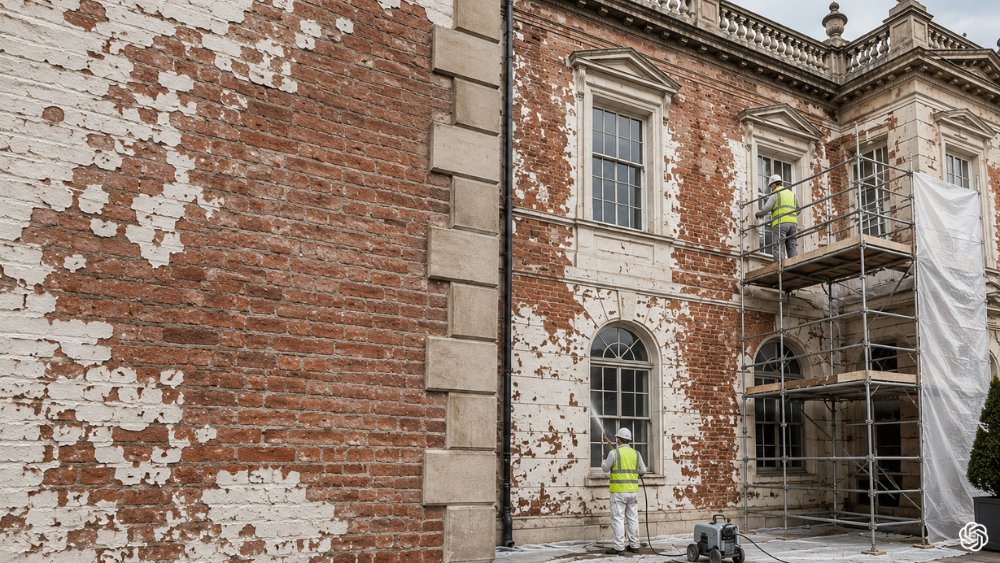
Why Older Buildings Require Different Paint Removal Techniques
Older buildings tell stories that modern structures often cannot. Whether it is a Victorian townhouse, a Georgian property, an Edwardian terrace or a historic commercial building, these structures represent craftsmanship, building methods and materials from another era. Many have stood for more than a century and continue to contribute to the character of towns and cities across the UK. However, maintaining these buildings requires a different approach from maintaining newer properties, particularly when it comes to paint removal.
Many property owners assume that removing old paint is a straightforward task. At first glance, it may seem as simple as stripping away unwanted coatings to reveal a fresh surface underneath. In reality, paint removal on older buildings is a highly specialised process. Historic structures often contain delicate materials, multiple generations of paint coatings and unique architectural features that can be permanently damaged if the wrong methods are used.
Understanding why older buildings require different paint removal techniques is essential for anyone responsible for maintaining a historic property. By appreciating the challenges involved and recognising the importance of careful surface preparation, property owners can help preserve the character and structural condition of their buildings for many years to come.
The History Hidden Beneath Layers Of Paint
Older buildings rarely have a simple paint history. Unlike modern properties, which may have been painted only a handful of times, historic buildings often contain decades or even centuries of accumulated coatings. Each generation of owners may have applied new layers without fully removing the old ones. As a result, it is common to find multiple paint systems sitting on top of one another.
In many cases, the original surface beneath the paint has not been visible for several decades. Stone, brickwork, timber and decorative architectural features may be hidden beneath thick layers of coatings that have gradually built up over time. Some of these paints may have weathered naturally, while others may have failed due to moisture problems, poor adhesion or unsuitable previous repairs.
The challenge lies in removing these layers without damaging what lies underneath. Every coat of paint interacts differently with the surface below. Some may bond tightly to the substrate, while others may separate and begin to peel. Certain historic coatings can become brittle with age, making removal more complex than many people expect.
Paint layers can also hide important information about the condition of the building. Cracks, damaged mortar joints, deteriorating stone and previous repair work are often concealed beneath paint. Until the coatings are removed carefully, it can be difficult to fully understand the true condition of the structure.
For this reason, paint removal on older buildings should never be approached as a simple cleaning exercise. It is often the first stage of a wider conservation or restoration project that requires careful planning and an understanding of traditional building materials.
Why Traditional Building Materials Need Extra Care
One of the biggest reasons older buildings require different paint removal techniques is the nature of the materials used during construction. Many historic buildings were built long before modern manufacturing methods became standard. The bricks, stone, timber and mortar used in these structures often behave very differently from modern alternatives.
Traditional brickwork is a good example. Historic bricks were commonly produced using local clay and firing methods that created softer, more porous materials. These bricks were designed to work alongside lime mortar, allowing moisture to move naturally through the structure. While this system can remain effective for hundreds of years, it is sensitive to inappropriate restoration methods.
When aggressive paint removal techniques are applied to older brickwork, the surface can become damaged. The outer protective layer of the brick may be removed, leaving it more vulnerable to weather conditions. Once this protective surface has been lost, the brick may begin to absorb moisture more readily, increasing the risk of frost damage and deterioration.
Natural stone requires similar care. Many heritage buildings contain sandstone, limestone or other traditional materials that have developed a unique appearance over time. These surfaces often display subtle textures and natural weathering patterns that contribute to the character of the building. Harsh paint removal methods can remove these features permanently.
Timber presents another challenge. Historic timber windows, doors and decorative elements often contain original craftsmanship that is difficult to replace. Older timber can become fragile after decades of exposure to changing weather conditions. Paint removal methods must therefore be chosen carefully to avoid causing splits, burns or other forms of damage.
Because traditional building materials are often softer and more delicate than modern equivalents, they require a paint removal approach that prioritises preservation rather than speed.
The Risks Of Using Modern Paint Removal Methods On Historic Buildings
Many paint removal techniques developed for modern construction are designed to work quickly and efficiently on hard, durable surfaces. While these methods may achieve good results on contemporary buildings, they can create serious problems when applied to historic structures.
Abrasive cleaning is one of the most common examples. Methods that rely on aggressive sanding or blasting can remove paint rapidly, but they can also strip away the surface of brick and stone. This not only changes the appearance of the building but can also weaken the material itself.
Historic masonry often contains fine details that have survived for generations. Decorative stone carvings, mouldings and architectural features can lose definition when exposed to abrasive cleaning methods. Once these details have been removed, they cannot easily be restored.
High-pressure cleaning can also cause significant issues. Older buildings were not designed to withstand large volumes of water being forced into their surfaces. Excessive pressure can drive moisture deep into masonry, creating damp problems that may take months to resolve.
Heat-based paint removal techniques may appear less aggressive, but they can present their own challenges. Excessive heat can damage fragile timber, affect historic finishes and create stress within certain building materials. Some older paints may also react unpredictably when exposed to high temperatures.
These risks highlight why a one-size-fits-all approach does not work when dealing with historic buildings. Every structure requires a method that takes account of its age, condition and construction materials.
Why Chemical Paint Removal Is Often Suitable For Older Buildings
Chemical paint removal is frequently considered one of the most appropriate solutions for historic buildings because it focuses on breaking down the paint rather than forcing it from the surface through mechanical action.
The process works by softening paint layers, allowing them to be removed with greater control. This approach reduces the amount of physical stress placed on the underlying material, making it particularly useful when dealing with delicate masonry, decorative stonework and historic timber.
One of the key benefits of chemical paint removal is its ability to tackle multiple layers of paint. Historic buildings often contain coatings from several different periods, each with unique properties. Removing these layers individually using mechanical methods can be extremely time-consuming and may increase the risk of surface damage.
Chemical paint removal can often penetrate through several paint layers, making the process more effective while helping preserve the original substrate. This is particularly valuable where architectural details are present. Decorative features that might be difficult to clean using abrasive methods can often be treated more carefully through chemical processes.
Another advantage is that chemical paint removal can be adapted to suit a wide range of surfaces. Historic buildings frequently combine brick, stone, timber and metal elements within the same structure. A carefully planned chemical removal strategy can often address these different materials while maintaining consistency across the project.
Of course, successful chemical paint removal requires experience and understanding. Different coatings respond differently to treatment, and historic surfaces must always be assessed before work begins. The goal is to remove the paint while leaving the original material as untouched as possible.
The Importance Of Building Breathability
One factor that is often overlooked by property owners is the relationship between paint and moisture movement. Traditional buildings were designed to breathe. This means they allow moisture to pass naturally through walls and evaporate into the atmosphere.
When modern, non-breathable paint coatings are applied to older buildings, this natural process can be disrupted. Moisture becomes trapped within the structure, leading to a range of problems. Paint may begin to blister and peel. Damp patches can appear internally. Masonry may remain wet for prolonged periods, increasing the risk of deterioration.
In many cases, paint removal forms part of a wider effort to restore the building’s natural moisture balance. However, achieving this objective requires care. Damaging the masonry during paint removal can create additional pathways for water ingress, potentially making existing problems worse.
A carefully controlled paint removal process helps expose the original surface while maintaining its ability to manage moisture effectively. This is particularly important for heritage properties where long-term preservation is a priority.
Understanding breathability is essential when evaluating paint removal options. It is not simply about improving appearance. It is about supporting the health and longevity of the building itself.
Why Every Older Building Requires Individual Assessment
No two historic buildings are exactly alike. Even properties built during the same period may have experienced different maintenance histories, environmental conditions and repair work over the years.
For this reason, assessment plays a crucial role in determining the most appropriate paint removal technique. Before any work begins, it is important to understand the condition of the paint, the nature of the substrate and the overall state of the building fabric.
Inspection can reveal issues that are not immediately visible. Cracked masonry, failing mortar joints, previous repairs and hidden moisture problems may all become apparent during the assessment process. Identifying these concerns early allows for better planning and helps reduce the risk of unexpected complications.
Testing is often an important part of this stage. Small trial areas can be used to evaluate different paint removal approaches and assess their impact on the surface beneath. This provides valuable information that can guide the wider project.
Assessment also helps determine how different parts of the building may respond to treatment. Areas exposed to prevailing weather conditions may behave differently from sheltered elevations. Decorative features may require a different approach from plain masonry surfaces.
Taking the time to understand these factors ensures that the chosen paint removal method is appropriate for the specific needs of the building.
Preserving Character And Historical Value
One of the most important reasons for using specialised paint removal techniques on older buildings is the need to preserve character. Historic structures are valued not only for their age but also for the details and materials that make them unique.
The texture of old brickwork, the craftsmanship of carved stone and the subtle imperfections that develop over decades all contribute to the appearance of a historic building. These features cannot easily be recreated if they are damaged during restoration work.
Paint removal should support conservation rather than compromise it. The aim is to reveal the original surface while maintaining the evidence of the building’s history. This approach respects both the structure itself and the wider heritage context in which it exists.
Preservation is particularly important for listed buildings and properties located within conservation areas. However, even buildings without formal heritage protection can benefit from a careful approach that protects their original character.
When historic materials are preserved successfully, future maintenance becomes easier and the building retains much of the value that makes it distinctive.
Long-Term Benefits Of Choosing The Right Technique
Selecting the correct paint removal method provides benefits that extend far beyond the immediate appearance of the building. A carefully executed project can improve the condition of the structure and support future maintenance efforts.
Removing unsuitable paint coatings allows underlying surfaces to be inspected properly. This helps identify areas that require repair and creates opportunities to address issues before they become more serious.
Proper paint removal also creates a better foundation for any future finishes. Whether the intention is to leave masonry exposed or apply a new coating, surface preparation has a direct impact on performance and longevity.
Most importantly, the right technique helps protect original building materials. Preserving historic brickwork, stone and timber reduces the need for replacement work and supports the long-term sustainability of the structure.
Historic buildings represent an important part of the UK’s architectural heritage. Maintaining them responsibly requires an understanding of how restoration decisions today can affect their condition for decades to come.
How To Identify Whether Old Paint Is Damaging Your Building
Old paint does more than affect the appearance of a building. On older properties, failing or unsuitable paint can hide underlying problems that may eventually impact the condition of brickwork, stone, timber and mortar. Many property owners assume that peeling paint is simply a cosmetic issue, but in some cases it can be a warning sign that moisture, deterioration or trapped damp is affecting the structure beneath.
Knowing how to recognise the early signs of paint-related damage can help prevent more extensive repairs in the future. Regular inspection of painted surfaces allows property owners to identify issues before they become serious and helps preserve the character and condition of historic buildings.
Peeling, Flaking And Blistering Paint
One of the clearest signs that old paint may be causing problems is when it begins to peel, flake or blister. This often occurs when moisture becomes trapped between the paint layer and the surface beneath. As water tries to escape, it pushes against the coating, causing it to lift away from the wall.
On older buildings, this can indicate that the paint is no longer allowing the structure to breathe naturally. If left untreated, trapped moisture can increase the risk of masonry damage and surface deterioration.
Damp Patches On Internal Or External Walls
Persistent damp patches can suggest that moisture is being retained within the building fabric. In many traditional properties, modern paint coatings can prevent natural evaporation, causing water to build up behind the surface.
You may notice dark stains, discoloured areas or patches that remain damp long after rainfall. These signs should not be ignored, as prolonged moisture exposure can affect the condition of masonry, timber and plasterwork.
Cracked Or Deteriorating Masonry
Old paint can sometimes conceal damage that is developing beneath the surface. Small cracks in brickwork or stone may go unnoticed until the paint begins to fail. In some cases, moisture trapped behind paint coatings can contribute to the gradual breakdown of masonry materials.
Regular inspections can help identify areas where paint is masking underlying structural concerns. Early intervention often prevents more extensive restoration work later.
White Salt Deposits On Walls
White powdery deposits, commonly known as efflorescence, are another indication that moisture is moving through masonry. As water travels through brick or stone, it carries natural salts to the surface. When the moisture evaporates, these salts remain behind.
If paint is restricting the natural movement of moisture, efflorescence may appear around damaged areas or where paint has started to detach from the wall. This can be a sign that the building’s moisture balance has been disrupted.
Paint Trapping Moisture In Brickwork
Traditional buildings were designed to allow moisture to escape naturally. When non-breathable paint is applied to older brickwork, water can become trapped within the wall structure. Over time, this may lead to damp conditions, weakened mortar joints and accelerated weathering.
Signs of trapped moisture often include recurring paint failure, persistent damp areas and visible surface staining. Addressing the root cause is essential to prevent ongoing deterioration.
Damage Around Mortar Joints
Mortar joints are often among the first areas to show signs of paint-related problems. Moisture trapped behind paint can cause mortar to weaken, crack or break away from surrounding masonry. In older buildings that use lime mortar, maintaining breathability is particularly important.
If mortar joints appear soft, eroded or damaged, it may indicate that the existing paint system is affecting the performance of the wall.
Changes In Surface Texture
A painted surface that appears uneven, swollen or distorted may suggest underlying issues. Bulging paint, rough patches and surface irregularities can develop when moisture becomes trapped or when materials beneath the coating begin to deteriorate.
These changes are often early warning signs that further investigation may be needed to assess the condition of the building fabric.
Unusual Musty Smells Indoors
In some cases, paint-related moisture problems can affect the internal environment of a property. A persistent musty smell may indicate damp conditions within walls, particularly in older buildings where moisture cannot escape efficiently.
Although the source may not be immediately visible, trapped moisture behind painted surfaces can contribute to indoor dampness and should be assessed as part of a wider building inspection.
Why Early Identification Matters
Recognising the signs of paint-related damage at an early stage can help protect both the appearance and structural condition of a building. Older properties are especially vulnerable because traditional materials rely on natural moisture movement to remain in good condition. When paint begins to interfere with this process, problems can develop gradually and remain hidden for long periods.
Regular inspections, timely maintenance and appropriate paint removal methods can help preserve original building materials and reduce the likelihood of costly repairs. Understanding the warning signs allows property owners to make informed decisions and maintain the long-term health of their property.
What Happens If Paint Is Left On Historic Masonry For Too Long
Paint is often applied to historic buildings to improve appearance or provide protection from the elements. However, when paint remains on historic masonry for many years, especially if it is unsuitable for the building, it can contribute to a range of problems. Traditional brickwork and stone were designed to manage moisture naturally, and certain paint coatings can interfere with this process. Over time, the effects may go far beyond cosmetic concerns and begin to impact the condition of the building itself.
Understanding what happens when old paint is left on historic masonry for too long can help property owners recognise potential risks and take action before significant damage occurs.
Moisture Becomes Trapped Within The Masonry
One of the most common issues associated with old paint on historic masonry is trapped moisture. Traditional buildings rely on breathable materials that allow moisture to move through walls and evaporate naturally. When impermeable paint coatings are applied, this movement can be restricted.
As moisture becomes trapped within brickwork or stone, it can remain inside the wall for extended periods. This creates conditions that may contribute to damp problems, surface deterioration and ongoing maintenance concerns. In many cases, moisture-related damage develops gradually and remains unnoticed until visible signs begin to appear.
Paint Begins To Peel And Fail
Paint that has been left in place for too long often starts to lose its bond with the underlying surface. As moisture builds behind the coating, the paint may begin to blister, crack, peel or flake away.
While peeling paint is often viewed as an appearance issue, it is frequently a warning sign of a deeper problem. The failure of the coating may indicate that the masonry beneath is holding excess moisture or that the paint is no longer suitable for the surface. Repainting over failing paint without addressing the underlying cause can allow the problem to continue.
Historic Brickwork Can Deteriorate Faster
Historic bricks are generally softer and more porous than many modern alternatives. When moisture becomes trapped behind old paint, these bricks can remain damp for long periods. Repeated cycles of wetting and drying place stress on the masonry and can accelerate deterioration.
The outer surface of historic brickwork is particularly important because it provides a degree of natural protection. As the condition of the brick declines, small areas of damage can gradually expand, leading to more extensive repair requirements over time.
Frost Damage May Become More Likely
In the UK climate, trapped moisture can create additional risks during colder months. Water retained within masonry may freeze when temperatures drop. As water freezes, it expands, placing pressure on the surrounding material.
Over repeated freeze and thaw cycles, this pressure can cause parts of the brick or stone surface to break away. This process, often referred to as frost damage, can significantly affect the appearance and condition of historic masonry if left unchecked.
Mortar Joints Can Become Weakened
Historic buildings commonly use lime mortar, which plays an important role in allowing moisture to move through the structure. When paint traps water within the wall, mortar joints can remain damp for extended periods.
Over time, this may lead to erosion, cracking or loss of mortar. Damaged mortar joints reduce the effectiveness of the wall and may allow additional moisture to enter the structure. If deterioration continues, repointing work may become necessary to restore the masonry.
Salt Deposits Can Appear On Surfaces
As moisture moves through brickwork and stone, it can carry natural salts towards the surface. When the water evaporates, these salts remain behind as white deposits known as efflorescence.
Although efflorescence itself is not usually harmful, it often signals that moisture is present within the masonry. Persistent salt deposits may indicate that paint coatings are affecting the natural moisture balance of the building and should be investigated further.
Hidden Structural Issues Can Remain Undetected
Thick layers of old paint can conceal developing problems beneath the surface. Cracks, damaged masonry, failing mortar joints and previous repair work may remain hidden for years while paint continues to cover the wall.
This can make routine inspections more difficult and delay the identification of issues that require attention. By the time visible signs appear, the underlying problem may already have progressed significantly.
The Original Character Of The Building Can Be Lost
Historic masonry often contains natural textures, colour variations and craftsmanship that contribute to the building’s unique appearance. Layers of ageing paint can gradually obscure these details and alter the character of the property.
In some cases, repeated repainting can completely hide original architectural features that were intended to be visible. Preserving the authentic appearance of historic masonry is often an important part of responsible building conservation.
Future Restoration Work May Become More Complex
The longer unsuitable paint remains on historic masonry, the more challenging future restoration projects can become. Multiple layers of paint may accumulate over time, creating a thicker and more difficult coating to remove.
Additional moisture-related damage may also need to be addressed before restoration can proceed. Early intervention often helps reduce the complexity and cost of future maintenance work while protecting original building materials.
Why Timely Action Helps Protect Historic Masonry
Historic buildings require ongoing care to remain in good condition. Identifying paint-related issues early can help prevent moisture damage, masonry deterioration and the loss of original features. Regular inspections allow property owners to monitor painted surfaces and recognise warning signs before problems become more serious.
Where old paint is affecting the performance of historic masonry, careful assessment and appropriate paint removal methods can help restore the building’s natural behaviour while preserving its architectural character. Taking action at the right time supports the long-term health of the structure and helps ensure that historic materials continue to perform as intended for many years to come.
Conclusion
Older buildings require different paint removal techniques because they contain materials, features and construction methods that demand greater care than modern structures. Historic brickwork, natural stone, traditional timber and lime-based construction systems can all be damaged by aggressive paint removal methods that prioritise speed over preservation.
The presence of multiple paint layers, hidden defects and moisture-related concerns adds further complexity to the process. As a result, successful paint removal on older buildings requires a careful assessment of the structure and a method that respects the condition of the original materials.
Chemical paint removal is often chosen for heritage and restoration projects because it can remove paint with greater control while reducing physical impact on delicate surfaces. When combined with proper planning and an understanding of traditional building materials, it helps reveal original features while supporting the long-term preservation of the building.
Ultimately, paint removal on older properties is about far more than appearance. It is about protecting history, maintaining structural integrity and ensuring that these important buildings continue to be enjoyed by future generations.
At Dynamic Restoration Ltd, we provide specialist paint removal services for historic and traditional buildings, helping uncover original masonry while protecting the character of the property. We use carefully selected methods to remove unwanted coatings from brickwork, stone and other surfaces, ensuring each project receives the attention needed to preserve the building’s condition and appearance.