
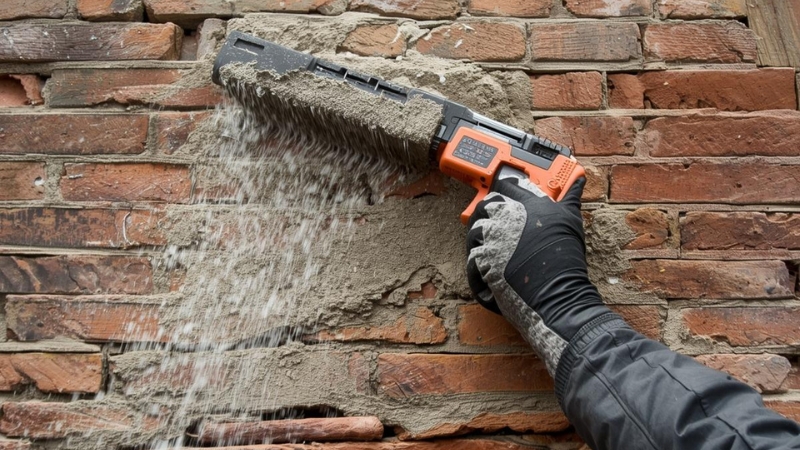
Why Brick Cleaning Matters More Than You Think
Brick cleaning is one of those essential maintenance tasks that most property owners only truly appreciate when they look at ageing brickwork and wonder how to restore its original character and beauty. Whether you live in a Victorian terrace, a modern apartment block, or a heritage home, brick surfaces are exposed constantly to rain, pollution, biological growth and staining. Over time this exposure dulls their colour, hides the texture that makes brick so appealing, and may even contribute to structural issues if left untreated. Understanding what brick cleaning involves and how it contributes to long term property care supports informed decisions from homeowners and property professionals alike, making it a topic worth exploring in detail for anyone who values the appearance and durability of their building. In this blog you will find clear, expert insight into why brick cleaning matters, what the process involves, and how it ties into broader exterior maintenance and protection.
Understanding Brick Cleaning and Its Impact on Building Health
The idea of brick cleaning often begins with how a wall looks but the value of this work goes beyond simple aesthetics because the condition of brickwork affects many aspects of a property’s performance. Brick surfaces are porous by nature and gradually collect dust, grime, atmospheric pollution, moss and algae that thrive where moisture persists. Left untreated, these contaminants can hold moisture against the brick face and within mortar joints creating conditions that accelerate weathering, encourage freeze thaw damage in colder months and increase the likelihood of cracks. In severe cases, unchecked organic growth can work its way into mortar joints and compromise the stability of the wall itself.
Modern brick cleaning practices aim to gently lift and remove these contaminants without harming the original material or its colour, allowing the brickwork to breathe more freely and reducing the risk of long term deterioration. Professional brick cleaning specialists use tailored methods matched to the type, age and condition of the brickwork rather than generic high pressure approaches that can strip away surface material. This careful approach ensures buildings are not only cleaner but also structurally healthier and more resilient over time.
For properties in busy urban environments where pollution can deposit carbon residues and particulates, careful cleaning reveals the true colour and texture of the brick while removing harmful residues that can encourage decay.
Beyond structural care there is a psychological and financial dimension to understanding brick cleaning because the appearance of your building influences how it is perceived by neighbours, visitors and potential buyers. Clean, well maintained brickwork gives a strong impression of overall property care and can support higher perceived value. When a wall looks fresh and free from dark staining or biological growth it creates a sense of pride of ownership that reinforces why regular maintenance matters. This impression extends beyond private homes to commercial properties, public buildings and community spaces where clean brickwork contributes to civic pride as well as individual asset value. Given this broader impact, it makes sense to view brick cleaning as part of a holistic approach to building maintenance that embraces both visible quality and underlying structural wellbeing.
The Brick Cleaning Process Explained
Brick cleaning is not a one size fits all activity because bricks vary widely in their age, texture, porosity and historical significance. A cleaning method suited for modern machine made brick might be far too aggressive for soft handmade bricks on a period building. As a result, quality brick cleaning begins with a careful assessment to identify the right approach, taking into account the type of stain or contamination, the condition of the brick and the surrounding environment. Experts in exterior restoration frequently start with a small test panel on the wall to establish how the brick responds to different cleaning techniques. This test provides reliable feedback on the safest and most effective method without risking damage to the entire surface.
Once the assessment is complete, trained professionals apply cleaning solutions or mechanical techniques that remove contaminants while preserving the original character of the brick. Common stains that may be targeted include atmospheric soiling from vehicle emissions, moss and lichen growth, efflorescence which appears as white salt deposits and residual mortar from previous work. All of these can mask the authentic colour and pattern of brickwork, and removing them helps reveal the surface as it was meant to be seen.
Methods vary but the aim remains consistent: to lift grime without overworking the surface. Soft washing uses gentle detergents and low pressure water to dissolve and rinse away dirt, while specialised steam cleaning systems operate at a temperature and pressure that dislodges deep seated grime without abrading the brick itself. Chemical poultices applied to stubborn stains draw out contaminants gradually and are tested carefully before use to match the brick type. All cleaning is followed by a thorough rinsing phase to ensure residues are fully removed and do not attract moisture later.
Importantly, brick cleaning should avoid harsh abrasive tools such as wire brushes or high pressure jets which can erode the brick face and accelerate wear. Professional practice prioritises preservation over expediency because once brick material is lost it cannot be replaced without altering the authenticity of the wall. This emphasis on preservation is particularly relevant for heritage and conservation properties where original materials have historical significance. Removing grime from listed buildings or period façades is not just about appearance but safeguarding cultural heritage. In such cases the cleaning process must respect guidelines that protect the original fabric of the building, using tested techniques that deliver results without harm.
Why Professional Brick Cleaning Delivers Better Outcomes
Many property owners may consider tackling brick cleaning as a DIY project but there are important reasons why professional involvement typically delivers far superior results. One key factor is experience because trained professionals have worked with a wide range of brick types and staining scenarios and know how materials respond to different treatments. This insight helps prevent accidental damage that can arise when unsuitable cleaning products or techniques are applied without proper knowledge.
Professional cleaners also bring specialised equipment that most homeowners do not have access to, including steam cleaning systems that operate within safe temperature and pressure ranges as well as measuring systems that ensure cleaning solutions are mixed correctly relative to the brick type. This attention to detail reduces the risk of discolouration or material loss.
Another advantage of professional brick cleaning is the comprehensive preparation that precedes the actual work. Good practice includes protecting nearby surfaces such as windows, woodwork and plants to avoid unintended spray or spill damage. This preparatory care makes the cleaning process safer and helps preserve the wider exterior environment of the building.
Preparing the site also means identifying issues such as deteriorating mortar or cracked bricks which might require repointing or repair before or after cleaning. Spotting these issues early can prevent them from becoming more serious problems over time, showing how cleaning integrates with broader maintenance strategies.
The time and effort saved by engaging professionals should also be considered. What may take an untrained person days or weeks of trial and error can often be completed by an experienced team in a fraction of the time, with results that are predictable and consistent. In a professional context time saved also reduces disruption for occupants and minimises safety risks associated with prolonged external work.
When building work is done to a high standard it also supports confidence in future planning, whether that involves repointing, render removal or other exterior restoration tasks that follow cleaning. High quality brick cleaning complements these other services because clean surfaces reveal the real condition of the wall and help guide subsequent decisions about repairs or enhancements.
The Benefits of Regular Brick Cleaning for Property Longevity
Across the UK, property owners who invest in regular upkeep of brick surfaces enjoy benefits that extend well beyond immediate visual improvement. One of the main long term benefits is increased structural longevity because removing moss, algae and other contaminants prevents moisture retention which can accelerate decay. This aspect is especially relevant in climates where seasonal moisture and colder temperatures cause freeze thaw cycles that can undermine the integrity of brick and mortar. Clean bricks are less likely to harbour trapped moisture, which contributes to reducing the risk of cracking and spalling during cold weather.
Another benefit is the preservation of mortar joints which play a vital role in keeping brickwork stable and water resistant. Dirt and biological growth within joints can accelerate mortar wear, leading to gaps that let water penetrate the wall and encourage internal damp issues. By keeping both bricks and mortar clean, property owners protect these joints and reduce the need for frequent repointing or more extensive repairs. Regular cleaning also enhances the performance of other protective measures such as breathable sealants which work best on clean surfaces that allow moisture to escape rather than remain trapped.
From an aesthetic and market perspective clean brickwork makes a strong impression that supports property appeal and market value. Buildings with visible staining, discolouration and unchecked growth can appear neglected and potentially hide underlying issues, whereas clean, vibrant brick surfaces signal good maintenance. This perception plays a real role when properties are valued for sale or rental because buyers and tenants often take exterior condition as an indicator of overall care. The psychological effect of well maintained brickwork should not be underestimated, as it influences how both residents and visitors experience a property.
Finally, regular brick cleaning fits within sustainable exterior care. Removing pollutants and biological growth helps create a cleaner micro environment around the building and can reduce the need for harsh corrective treatments later. By addressing surface issues early and gently, property owners support ongoing maintenance that is both environmentally thoughtful and cost effective over the lifespan of the building.
Brick Cleaning and Complementary Exterior Care
Understanding brick cleaning in isolation can provide valuable insights but viewing it alongside complementary exterior restoration tasks reveals how it contributes to a complete maintenance plan. For example repointing mortar joints is often carried out in conjunction with or after brick cleaning because clean surfaces make it easier to assess the condition of joints and identify where repointing is needed. Repointing strengthens walls and prevents water ingress through gaps, while cleaning removes the barriers that might hide those gaps in the first place.
Similarly paint removal or render removal on brick surfaces often reveals the true condition of the underlying material. Many older properties have layers of paint or render that were applied years ago with good intentions but have since aged poorly, trapping moisture and masking brick condition. Removing these layers before or after cleaning reveals the original brick and allows for decisions about whether to leave it exposed or apply a more thoughtful protective finish. These tasks do not stand alone but connect in a logical sequence that ensures the building is looked after comprehensively. By integrating cleaning with other maintenance, property owners can develop a plan that addresses both surface look and structural wellbeing.
Brick cleaning is the first step in seeing what your property really looks like and in deciding what the next steps in restoration might be. It clears the surface of years of accumulation so that subsequent decisions about repointing, paint removal or render removal are based on accurate observations. In this way careful cleaning is a foundation for quality exterior care and material preservation over the long term.