
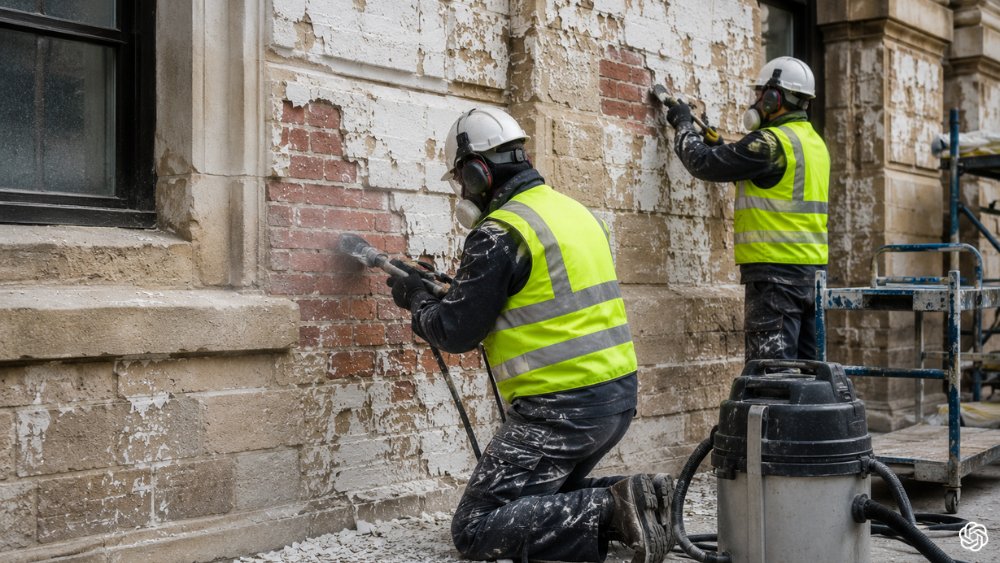
Bringing Brick and Stone Back to Life with Paint Removal
Paint removal from brick and stone surfaces is an important part of exterior building care, especially when layers of paint begin to affect both appearance and performance. Many property owners search for how to remove paint from brick, whether paint damages masonry, or the safest way to restore painted stone. These questions highlight a common concern about preserving the original condition of a building while improving its look. Paint that has been applied over time can hide the natural texture of materials and, in some cases, lead to deeper issues such as trapped moisture and surface deterioration.
Paint removal is an essential step in restoring brick and stone surfaces, helping to remove unwanted coatings without damaging the material underneath. Many property owners search for paint removal from brickwork to improve appearance and address issues like trapped moisture or peeling surfaces. When carried out correctly, paint removal supports both the condition and long term performance of the building.
Brick and stone are designed to breathe, allowing moisture to move naturally through the structure. When paint forms a sealed layer over these surfaces, it can prevent this process and lead to long term damage. Over time, this may result in flaking paint, staining and weakened material beneath the surface. Removing these layers allows the building to return to its natural state while also making it easier to identify any underlying issues that require attention. This is why many people search for restoring painted brickwork or removing masonry paint safely before starting any restoration work.
Why Paint Removal Is Essential for Masonry Surfaces
Paint removal plays a significant role in maintaining the condition and performance of brick and stone surfaces. While many property owners focus on visual improvement, the real importance lies in how removing paint supports the structure and prevents long term damage. Searches such as paint removal from brickwork, does paint cause damp in walls, and restoring painted masonry reflect the growing need to understand this process.
Preventing Moisture Trapping and Damp Issues
One of the main reasons for paint removal from brick and stone is to prevent moisture from becoming trapped within the surface. Masonry materials are naturally breathable, allowing moisture to pass through them. When covered with paint, especially non breathable coatings, this process is restricted. As a result, damp patches, internal moisture and gradual surface damage can develop over time.
Restoring Natural Breathability of Brickwork
Removing paint allows the surface to function as intended by releasing trapped moisture and improving airflow within the material. This is particularly important for older buildings where maintaining the original structure is essential. Many property owners searching for how to restore brickwork or improve wall breathability are looking to address these underlying issues.
Revealing the True Condition of the Surface
Once paint is removed, the actual condition of the brick or stone becomes visible. This makes it easier to identify areas that require attention, such as damaged mortar joints or surface wear. Searches such as signs of brickwork damage or when to carry out repointing often arise after the original surface is exposed.
Enhancing Appearance and Architectural Character
Paint removal helps bring back the natural colour and texture of brick and stone, which are often hidden beneath layers of coating. This improves the overall appearance of the building while preserving its original character. Many people searching for restoring old brickwork or improving exterior appearance aim to achieve a balance between maintaining authenticity and improving visual appeal.
Supporting Further Exterior Restoration Work
A clean and exposed surface creates the right foundation for additional restoration work. Tasks such as repointing, repairs or surface treatments become more effective when applied to a properly prepared base. This ensures better results and supports the overall success of the exterior building restoration process.
The Process Behind Safe Paint Removal
Paint removal from brick and stone surfaces involves more than simply stripping away layers. It requires a structured approach that considers the condition of the building and the type of material involved. Many property owners search for safe paint removal methods or how to remove paint from brickwork without damage, which highlights the importance of using the correct process from the start.
Initial Assessment and Surface Understanding
The process begins with a detailed assessment of the surface to identify the type of paint and the condition of the underlying material. Different coatings and surfaces require different approaches, so understanding these factors helps determine the most suitable method. This stage ensures that the removal process protects the structure rather than causing unnecessary damage.
Access Preparation and Safe Working Conditions
Before any work begins, it is important to ensure that all areas of the building can be reached safely. Paint removal often involves higher sections such as external walls and detailed features, which require stable access for consistent results.
In many cases, structured access systems are used to support safe working conditions, allowing the work to be carried out with accuracy and control.
This step often forms part of a wider exterior building restoration process, where each stage supports the next, including safe access preparation through the use of appropriate scaffolding systems.
Controlled Paint Removal Techniques
Once preparation is complete, the paint removal process begins using methods suited to the surface and paint type. The focus is always on removing the coating without affecting the integrity of the brick or stone. This stage requires careful handling and experience, as using unsuitable techniques can lead to damage or uneven results.
Final Cleaning and Surface Preparation
After the paint has been removed, the surface is cleaned to remove any remaining residue and allow for a clear inspection. This step makes it easier to identify any repairs or further restoration work that may be required. A properly prepared surface ensures that any additional treatments are more effective and contribute to a better overall finish.
Long Term Benefits of Removing Paint from Brickwork
Removing paint from brick and stone surfaces is not only about improving appearance but also about restoring how the material functions over time. Many property owners begin this process after noticing issues such as damp, flaking paint or uneven surfaces. Understanding the long term benefits helps explain why paint removal is often a necessary step in exterior building maintenance.
Improved Breathability and Moisture Control
One of the key advantages of paint removal is that it allows brick and stone to breathe naturally again. When paint is removed, trapped moisture can escape from the surface, reducing the risk of damp problems and internal damage. This helps maintain a healthier structure and prevents issues that can develop over time.
Preserving Material Strength and Condition
Brick and stone perform best when they are free from coatings that restrict their natural behaviour. Removing paint reduces the chances of internal weakening caused by moisture being held within the material. This helps maintain the strength of the structure and lowers the likelihood of future repair work.
Restoring Natural Appearance
Paint removal reveals the original texture and colour of the building, which are often hidden beneath layers of coating. This improves the overall look of the property while keeping its authentic character intact. For many buildings, especially older ones, this plays an important role in maintaining their visual identity.
Preparing for Further Restoration Work
Once the surface is cleared, it becomes easier to carry out additional work such as repairs or repointing. A clean and exposed surface provides a better base for these treatments, helping improve both the effectiveness and the final result of the restoration process.
Paint removal remains an important part of maintaining exterior surfaces. With the right approach, it supports both the appearance and long term condition of the building.
Why Choose Us
Choosing the right team for paint removal from brick and stone surfaces is important to ensure the structure is protected while achieving a clean and consistent finish. The process requires a clear understanding of materials, careful handling and the correct methods at every stage. At Dynamic Restoration, the focus is on removing paint safely while maintaining the original condition and appearance of the surface.
Knowledge of Paint Removal Methods
Different surfaces and coatings require specific techniques for effective paint removal. Understanding how brick and stone react to various methods helps ensure that the process is carried out without causing damage.
Careful Surface Preparation and Handling
Each stage begins with proper preparation to create the right conditions for paint removal. This helps achieve even results and prevents issues such as surface erosion or incomplete removal.
Safe Access and Controlled Work Process
Paint removal often involves working at height, which requires proper access and planning. A structured approach allows all areas to be completed safely and with consistent attention.
Focus on Long Term Surface Protection
The aim is not only to remove paint but also to improve the condition of the material. Proper paint removal supports breathability, reduces moisture related issues and helps maintain the building over time.
Conclusion
To sum up, paint removal from brick and stone is more than a cosmetic improvement. It helps restore how the materials naturally function by allowing moisture to escape and reducing the risk of hidden damage. By uncovering the original surface, it also makes it easier to spot and address any underlying issues early. When done properly, this process protects the structure, improves its appearance and prepares it for any further restoration work, supporting the building’s condition for years to come.We provide professional paint removal services for brick and stone surfaces, focusing on restoring the original condition without damaging the material. At Dynamic Restoration Ltd., we carefully remove unwanted coatings to improve breathability and reveal the natural finish of the structure. Our approach ensures each project supports both appearance and long term building performance.