
Brick Pointing Service: What Every Homeowner Should Know
Brick walls are among the most enduring and characterful features of many homes across the UK. From terraced houses to garden walls, chimneys to facades of period homes, brickwork conveys strength and timeless appeal. But what many overlook is that the bricks themselves are only half the story. The mortar between bricks plays an equally important role in holding walls together and protecting them from weather, damp, frost, and environmental wear. That mortar can erode, crack or crumble over time. Brick pointing or repointing becomes essential to preserve the integrity, safety, comfort, and appearance of your property.
In this article I explore in depth what brick pointing is, why it matters, how to understand when pointing is needed, what a proper pointing job involves, and why skilled workmanship makes all the difference. The aim is to give you a clear, expert-level understanding of brick pointing grounded in real building science and heritage conservation principles. The conversation is informative and straight-forward without a sales push.
Understanding Brick Pointing and When It Becomes Necessary
Brick pointing, or repointing, is the restoration of the mortar joints between bricks or masonry units. Over many years, mortar weathers exposed to rain, frost, wind, temperature changes, pollution, and other environmental stresses. Because mortar is softer and more vulnerable than brick, it often fails before brick itself degrades. As mortar weakens it can crumble, crack, shrink or erode away, leaving gaps or voids in the joints. That deterioration compromises the wall’s ability to keep out water, retain structural integrity and maintain internal dryness.
When mortar joints fail you may see visible signs on the wall. The mortar may crumble to the touch or fall out after heavy rain. Joints may look cracked, uneven or recessed compared with the brick faces. Bricks may begin to look misaligned or loose. You may notice damp patches inside, especially after rain or during colder months, or plaster discolouration on internal walls where moisture has seeped in. Water entering through faulty joints can cause damp, mould, freeze-thaw damage, internal plaster or timber decay and even structural problems over time.
Older buildings, especially those constructed with traditional lime mortar rather than modern cement mortar, are particularly vulnerable. Lime mortar was prized for its breathability and flexibility, allowing masonry to release moisture without damage. If lime mortar deteriorates, or if inappropriate cement mortar is used in repairs, the masonry may begin to trap moisture, leading to accelerated decay. In historic and heritage properties this risk is especially serious.
Environmental factors also matter. Homes in areas exposed to coastal salt air, pollution, heavy rain, frost or freeze-thaw cycles can see accelerated mortar degradation. Garden walls attacked by climbing plants, ivy or masonry insects, or walls subject to movement through settlement or vibration, are also at higher risk. If you observe any of these conditions, or see visible signs of mortar failure, it is wise to consider brick pointing sooner rather than later.
Recognising the need for pointing early can prevent minor damage from escalating into severe structural or damp problems. Addressing failing mortar at the right time preserves not only the external appearance of the wall but also the internal health, safety and comfort of your home.
What Proper Brick Pointing Involves and Why Technique Matters
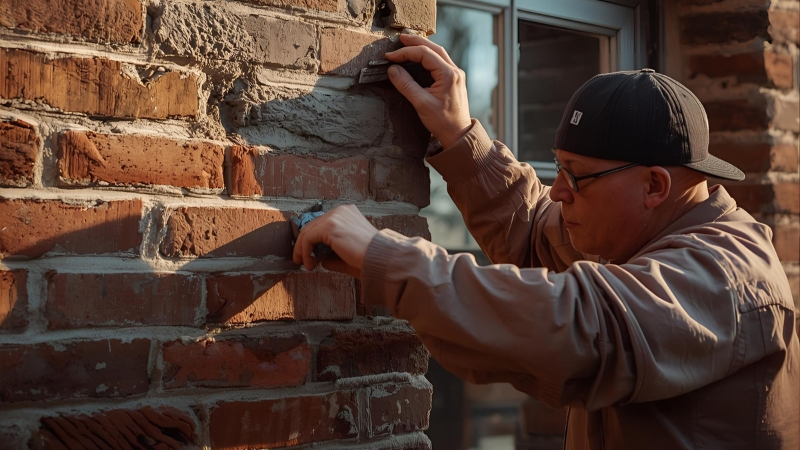
A proper brick pointing job is much more than filling joints with fresh mortar. It is a careful, skilled process that respects the original masonry, the building’s age and materials, and ensures long-lasting results. The first step is always to remove the deteriorated mortar. This must be done carefully, avoiding damage to the brick faces. For older or softer bricks, hand tools are often preferable to power tools. Using grinders or high-speed tools may remove part of the brick surface, weakening the wall and accelerating future decay.
Once old mortar is removed to the correct depth, joints and brick faces must be thoroughly cleaned of dust and debris. This ensures that new mortar bonds strongly. Often the joints are lightly moistened to improve adhesion and avoid problems caused by overly dry or overly wet bricks. It is particularly important in dry periods or when bricks have been exposed to sun.
Selecting the right mortar mix is perhaps the most critical step. The new mortar must be compatible with the original masonry. For older buildings built with lime mortar, a breathable lime-based mortar is usually most appropriate. Lime mortar allows moisture to escape, absorbs subtle movement and prevents stress in the brick. For newer buildings with modern bricks, a suitably graded cement mortar may be acceptable, but it must match in strength, porosity, and flexibility. Using a hard, dense cement mortar on soft or porous bricks can trap moisture inside, cause spalling, and accelerate brick decay.
Once mortar is mixed, it must be pressed firmly into the joint and finished carefully to match the original profile of the wall. Whether the original joints were flush, weather struck, recessed or had a particular texture, the finish must be replicated to preserve the building’s character and ensure correct weather shedding. After tooling, the mortar needs proper curing. In many cases gentle misting or moisture control helps the mortar cure evenly and reduces the risk of cracks or shrinkage.
Finally, post-work care and inspection matter. Once pointing is complete, walls should be monitored after rain or frost for any signs of new cracks or failure. Especially in heritage or high-exposure buildings, regular inspections every few years help identify emerging problems before they become serious.
When brick pointing is done with care, expertise and respect for materials, the result is a wall that is structurally stable, weather resistant, breathable, and visually harmonious. Poor workmanship or wrong mortar choice, by contrast, can lead to trapped moisture, brick spalling, internal damp, and rapid joint failure.
The Benefits of Brick Pointing for Structural Health, Comfort and Heritage Preservation
When executed correctly, brick pointing brings a wide spectrum of benefits to homeowners, landlords and property managers. The most obvious is restored structural strength. Sound mortar joints keep bricks bonded, reduce movement, and help walls resist wind, frost or settlement stresses. This reduces risk of bulging, shifting bricks or collapse over time.
Weather resistance is another major benefit. Proper pointing seals joints and prevents water ingress. Water left unchecked can penetrate masonry and cause damp, internal wall damage, mould, plaster failure, and wood rot. In cold weather, trapped water can freeze and expand, widening cracks and damaging bricks. Good pointing ensures drainage is directed away from vulnerable joints, protecting both the exterior masonry and interior spaces.
Brick pointing also helps regulate moisture and preserve breathability, especially in older homes. Using compatible lime-based mortar on heritage masonry allows damp and condensation to evaporate naturally rather than becoming trapped behind impermeable surfaces. This protects internal timber, plaster, and finishes, and supports a healthier internal environment.
Thermal comfort and energy efficiency benefit too. Gaps or missing mortar joints allow draughts and heat loss. Well pointed walls reduce these leaks, helping maintain stable internal temperature, reduce heating costs and create a more comfortable living space.
From an aesthetic and heritage standpoint, correct brick pointing restores the original look and character of a building. Mortar joints that match in colour, texture and profile preserve the authenticity of period homes or traditional masonry. This matters not only for appearance but often for historic building regulations or conservation guidelines.
Financially, brick pointing is a sound investment. Addressing worn mortar early is far cheaper than repairing damp damage, replacing bricks, treating internal plaster or structural corrective work. Well maintained walls add to the value and appeal of a property, especially in markets where heritage character and exterior condition matter.
Over time, correctly pointed brickwork can stand strong for decades. Many well done pointing jobs provide effective protection for 20 to 30 years or more under typical UK weather. For homeowners, that means peace of mind, long term durability and a reduced maintenance burden.
Why Skilled Brick Pointing Experts Matter for Quality and Longevity
Because correct brick pointing is both technical and subtle, it is best entrusted to experienced professionals. There are many pitfalls. The wrong demolition technique can damage bricks. Wrong mortar selection can trap moisture. Poor finishing can lead to unpredictable water shedding and rapid deterioration. Safety is another concern. Walls, chimneys or tall façades often require scaffolding, secure access, and careful working practices.
Professional restoration companies understand not just the mechanics of pointing but also the heritage value, material compatibility, local weather conditions and long-term maintenance needs. They conduct detailed inspections, assess brick type and historic mortar composition, and choose mortar mixes accordingly. They know how to match joint profiles, texture and colour so that repairs blend seamlessly with existing brickwork. They also follow proper curing procedures, post-work care and offer experienced guidance on ongoing maintenance.
For heritage buildings or older homes with traditional bricks and lime mortar, professional expertise is often the only reliable way to ensure pointing preserves breathability, structural integrity and aesthetic authenticity. For modern buildings, professionals can still offer better finish, longevity and protection than DIY kits or amateur attempts.
In addition, professional teams carry appropriate insurance, follow health and safety standards, and manage waste and site supervision responsibly. For any work at height or complicated façade restoration, this protection is essential both for quality results and safety.
Entrusting brick pointing to skilled professionals ensures your walls are restored correctly, perform as they should, and remain protected for years. It transforms what might seem a small repair into a long-term investment in the health and value of your property.
How Brick Pointing Fits into Broader Home Maintenance and Restoration Strategy
Brick pointing should not be seen in isolation but as part of a holistic approach to building maintenance. Over time, brickwork may gather dirt, grime, pollution stains or biological growth such as moss or algae. Additionally many older properties accumulate layers of paint or render which may trap moisture and conceal the original brickwork.
When brick pointing is combined with careful brick cleaning, render removal, stone cleaning or paint removal, the result is a full renewal of the wall’s fabric. Cleaning reveals original masonry, pointing restores structural integrity, and render removal or paint stripping eliminates trapped moisture or breathing restrictions. The result is a wall that is sound, breathable, clean and visually restored to its best.
For older properties and heritage buildings this approach preserves historic character while improving performance and durability. For modern houses it restores brickwork to a like-new condition and protects against future moisture, damp or decay.
Maintenance should not stop once pointing is done. Regular inspections after heavy rain, frost or seasonal change help identify early cracks or joint wear. Gentle cleaning and use of breathable sealants where appropriate can prolong the life of repointed walls. Avoiding harsh cleaning methods such as high-pressure jet washing or abrasive chemicals is key for soft bricks, lime mortar or historic masonry.
In a long term home maintenance plan, brick pointing is a core step. It protects both the exterior masonry and the internal environment, supports energy efficiency, preserves heritage value and reduces long term repair costs. Combined with cleaning, render or paint removal and periodic inspection, it ensures that walls stand firm, look good and perform well for decades.
Conclusion
Brick pointing is not a cosmetic extra. It is a critical safeguard for brickwork. Over time mortar degrades and without timely intervention your walls become vulnerable to water ingress, damp, frost damage and structural instability. Recognising the signs of failing mortar, understanding the correct pointing process, and choosing skilled workmanship can make a major difference to the long term health, comfort, appearance and value of your property.
Properly carried out pointing restores strength, stops moisture, preserves the character of period buildings, improves energy efficiency and ensures a long life for brick masonry. It protects against damp, internal decay, heat loss and structural risks. Whether you live in a modern build, a heritage home, a garden wall, a terrace or a chimneyed house, maintaining mortar joints is a vital part of responsible home ownership.
Over decades a well maintained building becomes more than a house. It becomes a home that endures, a place of memories, a secure shelter and a sound investment. Investing in brick pointing is investing in that future.