
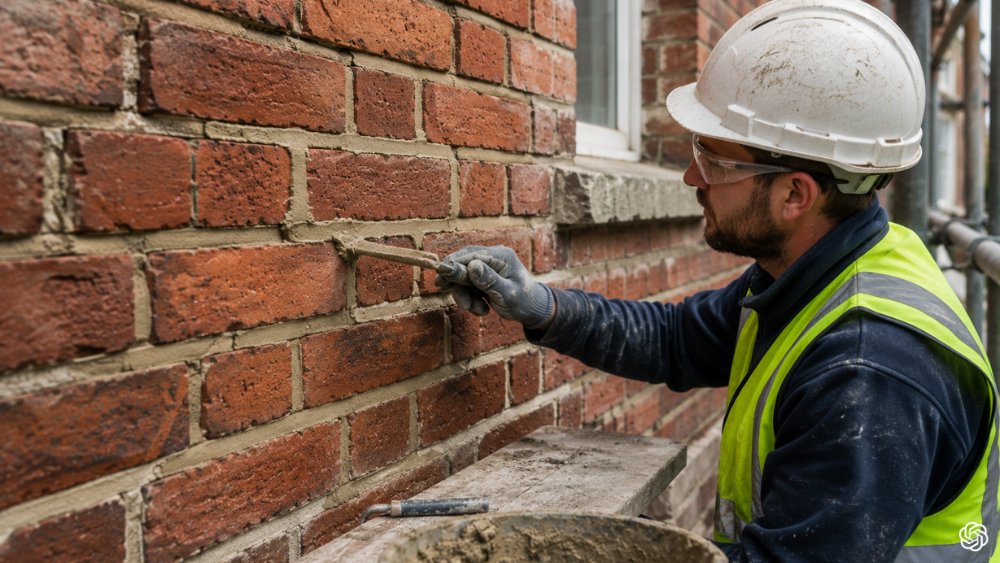
How Repointing Helps Protect and Strengthen Brick Buildings
Repointing is one of the most important aspects of maintaining brickwork, yet it is often overlooked until visible damage begins to appear. Across the UK, property owners frequently search for answers to questions such as what is repointing, how often repointing should be done, and how to repair mortar joints in brick walls. These queries highlight a growing awareness that mortar plays a critical role in protecting the structure of a building. While bricks may appear strong and durable, it is the mortar between them that holds everything together and prevents moisture from entering the structure.
Repointing is an essential process that helps maintain the strength and stability of brickwork by repairing worn or damaged mortar joints. Over time, exposure to weather and environmental conditions causes mortar to weaken, which can lead to gaps, moisture entry and structural issues. By carrying out repointing at the right time, property owners can protect their buildings, improve durability and prevent further deterioration.
Over time, exposure to weather, pollution and temperature changes causes mortar joints to weaken and deteriorate. Small cracks may begin to form, followed by gaps that allow water to seep into the wall. This can lead to internal damp issues, reduced insulation and long term structural concerns. Many people searching for signs your house needs repointing or how to fix crumbling mortar are often unaware that early intervention can prevent more serious damage. Repointing is not simply a cosmetic improvement. It is a necessary process that helps maintain the strength, stability and appearance of a building.
Understanding the Full Process of Exterior Restoration
Repointing is an essential part of exterior building restoration, as it directly affects how well brickwork performs over time. Many property owners search for terms such as when does a house need repointing or how to identify damaged mortar joints, but the warning signs are often visible if you know what to look for. Understanding these signs early helps prevent deeper structural problems and supports better long term maintenance of the building.
Visible Signs of Mortar Damage
One of the clearest indicators that repointing is needed is the condition of the mortar joints. Cracked or crumbling mortar, gaps between bricks and loose material all suggest that the structure is no longer properly sealed. In some situations, internal signs such as damp patches or noticeable heat loss may also appear, both of which are linked to failing mortar. Common searches like signs your brickwork needs repointing or causes of damp in walls reflect how these issues are closely connected to the overall condition of the property.
Effects of Weather and Ageing on Brickwork
Over time, exposure to rain, temperature changes and environmental factors causes mortar to weaken. As the joints begin to break down, they lose their ability to protect the building from moisture. This becomes more serious during colder periods when trapped water expands and contracts, gradually increasing damage within the wall. Property owners often search for repointing old brickwork or repairing external walls as they begin to notice these effects, especially in buildings that have faced years of exposure.
Choosing the Right Mortar and Method
The type of mortar originally used in construction plays a significant role in how repointing should be carried out. Traditional lime mortar allows the building to breathe, while modern cement mortar behaves differently and requires a different approach. Using incorrect materials or methods can lead to further damage or an uneven finish. This is why searches such as best mortar for repointing brickwork or how to match mortar colour are common among those planning restoration work.
Preventing Further Structural Decline
Repointing becomes necessary when mortar can no longer hold bricks securely or protect the structure from external conditions. If these issues are ignored, water can enter through the joints and lead to more serious damage over time. Addressing the problem early helps avoid extensive repairs and maintains the stability of the building. By recognising when repointing is required, property owners can take timely action and ensure their property remains protected and structurally sound.
Understanding the Full Process of Exterior Restoration
Repointing is a precise stage within exterior building restoration that requires both planning and technical accuracy. Many property owners search for how brick repointing works or what steps are involved in repointing, often without realising how detailed the process is. Each stage, from preparation to finishing, plays an important role in ensuring strong and long lasting results.
Removing Damaged Mortar and Surface Preparation
The process begins with the careful removal of old and weakened mortar from between the bricks. This stage must be handled with control to prevent damage to the surrounding structure. Once the joints are cleared, the surface is cleaned thoroughly to remove dust and debris. Proper preparation ensures that the new mortar can bond effectively and perform as intended over time.
Access Planning and Safe Working Conditions
Before applying new mortar, it is important to create safe and stable access to all working areas. Repointing often involves working on higher sections such as upper walls and chimneys, especially in multi storey buildings. Secure access allows specialists to maintain accuracy and consistency throughout the work. Scaffolding is often essential to provide a stable working platform, ensuring safe, controlled, and precise conditions throughout the process.
Applying and Matching New Mortar
Once preparation is complete, new mortar is applied carefully into the joints. The material used must match the original mortar to maintain both structural compatibility and visual consistency. This stage requires a high level of skill, as the finish needs to be even across the entire surface. Many searches such as best mortar for repointing brickwork or how to match mortar colour highlight the importance of getting this step right.
Finishing, Curing and Final Detailing
After application, the mortar is shaped to match the existing joint style of the building. Different finishing techniques may be used depending on the structure and its design. The final stage involves allowing the mortar to cure properly and cleaning the surface to achieve a natural finish. When completed correctly, this process strengthens the brickwork and improves its appearance while offering protection against moisture and weather conditions.
Understanding the Full Process of Exterior Restoration
Repointing forms a key part of exterior restoration by supporting both the strength and condition of brickwork over time. While many property owners focus on visible improvements, the real value of repointing lies in how it protects the structure and prevents future issues from developing.
Protection Against Moisture and Structural Damage
One of the main functions of repointing is to seal gaps within mortar joints and stop water from entering the structure. When joints begin to fail, moisture can pass through the walls and lead to internal damp problems. Restoring these joints helps protect the building and reduces the risk of costly repairs caused by prolonged exposure.
Improved Energy Efficiency and Insulation
Damaged mortar allows air to move through brickwork, which can result in heat loss and increased energy use. Repointing strengthens the seal between bricks, helping to maintain a more stable indoor temperature. This is especially important for older buildings where insulation may already be limited.
Preserving Appearance and Original Character
Worn or uneven mortar can affect the overall look of a property, making brickwork appear aged or neglected. Repointing restores the joints and improves the visual balance of the structure while maintaining its original style. This is particularly important for properties with traditional or period features.
Supporting Long Term Building Lifespan
Maintaining mortar joints through repointing helps extend the life of a building by preventing further structural decline. Addressing early signs of damage reduces the need for larger repairs in the future. This approach allows property owners to manage maintenance more effectively while keeping the structure safe and stable.
Repointing remains an essential part of exterior building care that requires proper planning and accurate execution. From identifying deterioration to completing detailed repairs, each step plays a role in maintaining the overall performance of the property.
Choose Us for Professional Repointing Brickwork Services
Choosing the right team for repointing brickwork is essential to ensure the structure remains protected and visually consistent over time. The quality of repointing depends on proper assessment, correct material selection and accurate application. At Dynamic Restoration, the focus is on maintaining the strength of brickwork while preserving its original appearance through careful and well planned work.
Knowledge of Repointing and Brickwork Materials
Understanding different types of mortar, including lime and cement based mixes, allows each project to be handled correctly. This ensures that the repointing process supports both durability and compatibility with the existing structure.
Careful Preparation and Precise Application
Every stage, from removing old mortar to applying new joints, is carried out with attention to detail. This helps achieve a consistent finish and reduces the risk of damage to surrounding bricks.
Safe Working Methods and Proper Access
Repointing often involves working at height, which requires controlled access and planning. A structured approach ensures that all areas are completed safely and with accuracy.
Focus on Long Term Brickwork Protection
The aim is not only to improve appearance but also to strengthen the structure. Proper repointing helps prevent moisture entry, reduces future damage and supports the overall lifespan of the building.
Conclusion
In conclusion, repointing plays an important role in keeping brickwork strong, safe and well protected over time. By repairing damaged mortar joints early, property owners can prevent moisture issues, maintain the building’s appearance and avoid more costly repairs in the future. With the right approach and careful workmanship, repointing helps ensure long term durability and reliable performance of the structure.
We provide expert repointing services that help maintain the strength and condition of brickwork over time. At Dynamic Restoration Ltd., we focus on removing damaged mortar and applying the correct materials to protect the structure and improve its appearance. Our approach ensures each project is completed with care, supporting long term durability and building performance.