
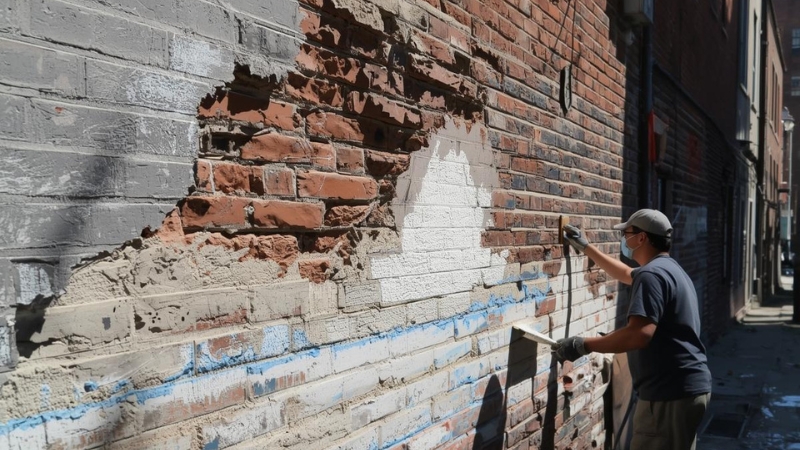
Paint Removal That Reveals Real Walls and Protects Your Property
When you look at a building covered in peeling paint or layers of old colour it is easy to miss what lies beneath. That old paint may have served its purpose once but over time it can trap moisture, mask original materials and even contribute to hidden damage. Paint removal is not just a cosmetic task. It is a careful process that restores the appearance of walls, reveals the true condition of the underlying surface and supports the long term health of your property. Understanding paint removal from masonry and brickwork is important for homeowners, landlords, property managers and anyone interested in how building care works.
In this detailed guide we explore what paint removal involves, why it matters, how professionals approach the job safely and the benefits it delivers for buildings in towns and cities across the UK. We will look beyond simply removing paint to explain how this work contributes to preservation, future maintenance and property wellbeing in an accessible and conversational way that matches how people actually search for information today.
What Paint Removal Really Means for Buildings
When you hear the words paint removal you might think of simply stripping colour from a wall. In reality it is much more than that because every building material tells a story and interacts with its environment in its own way. Paint on brickwork, stone façades or masonry surfaces can initially protect against water penetration and give a neat finish. Over time however that same paint can peel, blister, flake or fade, hiding the material beneath and trapping moisture against the wall surface. This moisture can eventually travel into deeper layers of the wall. Moisture moves differently through painted masonry compared with natural brickwork because paint can act like a skin that does not let trapped water escape easily.
When that happens moisture becomes a problem rather than a protection. Removing old paint helps walls breathe again. It reveals what lies beneath so that issues such as deteriorating mortar, rising damp or hidden stains can be seen, understood and addressed properly. Far from being a simple aesthetic choice, paint removal often becomes the first step in a wider restoration or maintenance plan because it shows the real condition of the structure and helps you make better decisions about next steps.
Professional paint removal on masonry and brickwork is usually carried out after a careful assessment of the surface. Different materials respond to cleaning and stripping in different ways. Brick and stone surfaces age and weather uniquely based on their composition, exposure to sun and rain, and the age of the previous paint coatings. A tailored approach helps prevent unnecessary damage.
Specialists in exterior restoration often begin with a free test panel to see how the surface responds to a chosen method before committing to work on the entire façade. This helps them choose the right tools and products for the specific situation and protects both the surface and the surrounding environment. For example removing paint from a soft porous brick requires different techniques from tackling paint on harder stone or metal surfaces. When done right, paint removal makes your walls safer and more visually appealing while maintaining structural integrity.
How Paint Removal Works and Why It Is Not One Size Fits All
The process of paint removal is as varied as the buildings to which it is applied. What works for one property may be too aggressive or ineffective on another. Surface type, age of paint, number of paint layers and condition of the underlying material all influence how the process is planned and executed. Professionals use a combination of methods chosen specifically for the job at hand. Some use low pressure steam cleaning systems that soften and lift paint without rough abrasion. Others prefer chemical paint strippers that gently dissolve old coatings without harming the brick or stone beneath. In some cases a mechanical approach such as careful hand scraping combined with heat application is the most appropriate. Whatever the method chosen it is applied in a way that protects the material and ensures that paint remnants are removed without weakening the surface.
It is important to avoid high pressure jetting or abrasive blasting on sensitive surfaces unless the operator has specialist knowledge of how the material will react. Aggressive methods can erode softer brick faces or damage decorative stonework. A careful assessment by trained professionals helps avoid these risks and ensures that what remains after paint removal is the authentic surface rather than an unintentionally scarred one. Removing old paint creates a clean canvas and exposes details that may have been hidden for years. That surface can then be left as natural brick or stone if that is the desired finish, or prepared thoroughly for repainting if a fresh coat is planned.
Paint removal also gives property owners insight into the real condition of their walls. Instead of guessing what lies beneath years of colour and coatings you are able to see cracks, patches of moisture damage, areas where repointing is needed and other issues that might have gone unnoticed. This transparency supports better long term maintenance planning. It also helps avoid surprises and hidden repair costs down the line.
The Benefits of Professional Paint Removal for Property Care
Painting a building or wall may seem like a quick way to freshen up its appearance but without proper preparation the finish can deteriorate rapidly. Professional paint removal prepares surfaces so that any future finishing work adheres properly and lasts longer. When paint begins to peel or bubble it often indicates that there is something underneath that is moving moisture or air. Removing the old layers allows you to address these underlying causes rather than simply covering them up again. Many homeowners are surprised to see how much better their walls perform after old paint is removed.
Walls that have been through a careful paint removal process are often more breathable, which reduces the risk of damp patches forming inside the property. Breathability is especially important for older buildings constructed before modern damp proof membranes existed. When exterior walls are able to release moisture rather than trap it behind paint layers the interior of the building can remain healthier and less prone to damp related issues.
Clearing away old paint also enhances the aesthetic appeal of the façade. Revealing original brick or stonework can give a property a timeless look that celebrates its character and craftsmanship. This can be particularly valuable in areas where historic architecture is celebrated or where planning guidelines encourage the preservation of original materials.
Many period homes look dramatically better with natural materials exposed and restored rather than coated with layers of paint that may have been applied decades ago. In other cases a smooth, properly prepared surface may be ideal for a new, well chosen and professionally applied paint finish. Whatever the aesthetic choice, starting with a clean surface improves colour longevity and reduces the likelihood of flaking or premature wear.
Professional paint removal also enhances property value because it is an investment in lasting restoration rather than temporary cover up. Potential buyers or tenants who can see the building fabric in good health and free from peeling layers of old paint often feel more confident in the property’s overall condition. The transparency that comes with revealing the true surface beneath supports trust in the property’s maintenance history.
Health, Safety and Sustainability Considerations in Paint Removal
Paint removal is not simply about aesthetics. It also has implications for health and safety, especially in older buildings where early paint layers may contain harmful substances like lead. Lead paint was widely used in the past and can pose health risks if disturbed without proper precautions.
During a paint removal project trained professionals use methods and protective measures that capture harmful particulates and dispose of them safely so that they do not contaminate the surrounding environment or indoor air. This careful handling protects the occupants of the property and the tradespeople doing the work. It also aligns with best practice guidelines for dealing with hazardous materials in construction and restoration.
Sustainability is another important aspect. Eco friendly products and techniques minimise environmental impact during and after paint removal. Some paint removal agents are formulated to be biodegradable and low odour, reducing the release of volatile compounds into the air. When water is used to support cleaning it is captured and managed responsibly rather than allowing run off into gardens or drains. Careful selection of tools and materials helps balance effective paint removal with respect for plants, soil and nearby surfaces.
Safety planning also extends to risk management on site. Taller buildings, uneven ground and fragile surfaces all require thoughtful approaches to access and protection. Professionals in exterior restoration come prepared with safety equipment, protective sheeting and containment systems that protect neighbouring surfaces, windows and soft landscaping. This attention to detail reduces the risk of accidental damage and creates a safer environment for everyone involved.
After Paint Removal What Comes Next
Once old paint is removed it is tempting to rush into applying a fresh coat but the period right after removal is also an opportunity to think about maintenance and protection. The revealed surface may show cracks, loose mortar or weathered edges that benefit from repair before repainting. Attention to these details improves paint adhesion and reduces future maintenance. This is why paint removal is often paired with other exterior services such as repointing of brick joints or stone cleaning. Addressing weak mortar and removing biological growth before painting prolongs the life of the next finish and protects the structure beneath.
If the decision is made not to repaint then protective finishes or breathable coatings can be considered. These options support moisture regulation while preserving the natural look of brick or stone. Whether paint is applied or not, the key is to ensure any finishes work with the material rather than against its natural properties.
It is common for property owners to review their exterior care strategy in the weeks and months following a paint removal project. Regular inspections, cleaning routines and seasonal checks all help extend the benefit of the initial work. Caring for walls once the surface is revealed sets a rhythm of maintenance that keeps the building in good condition long term.
Learning from Experience and Making Informed Decisions
Paint removal is more than a task to restore colour or appearance. It is a way of understanding your building at a deeper level. Seeing the surface as it really is allows you to make informed decisions about repairs, finishes and future maintenance. When old paint layers come off they tell a story about past care, environmental exposure and material health. That story helps guide the next steps in preserving and enhancing the property.
Homeowners who approach paint removal with patience and knowledge find that the benefits extend well beyond the moment of restoration. They get a clearer picture of what their walls need, how they behave and how to protect them in a way that aligns with the natural tendencies of the materials involved.
This approach supports better care, prevents guesswork and reduces the likelihood of surprises in the future. Property care becomes an informed practice rather than a series of reactive fixes. Over time this mindset improves the longevity of the building and helps safeguard its character, structural integrity and value for years to come.