
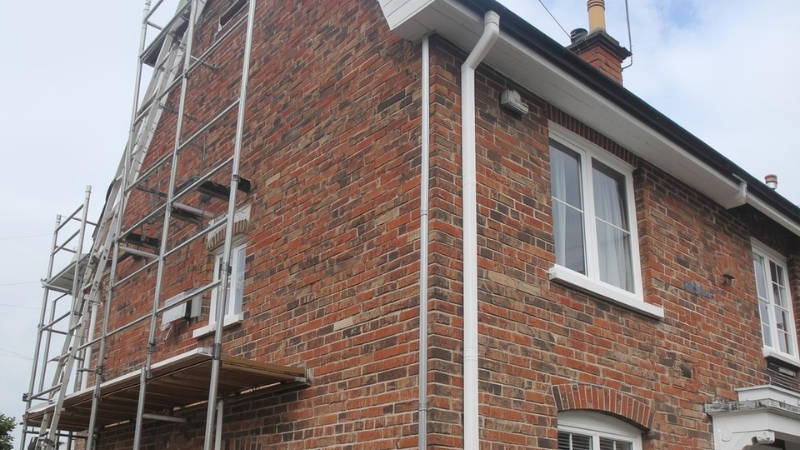
Render Removal and Why It Matters for Brickwork and Building Health
Render removal is a subject that many property owners only begin to explore when visible problems start to appear on their walls. Cracked render, bubbling surfaces, damp patches indoors or flaking paint are often treated as isolated issues, yet they are frequently symptoms of a deeper problem beneath the surface. Render is applied to protect and improve the appearance of walls, but when it fails or becomes unsuitable for the building beneath, it can cause more harm than good. Removing render is not about stripping a building back for appearance alone. It is about understanding how walls function, how moisture moves through masonry, and how older and modern buildings respond to different finishes. This guide explores render removal in depth, explaining why it is necessary, how it works, and what it reveals about the true condition of a property.
Across the UK, many buildings have been rendered over decades for reasons ranging from cosmetic updates to attempts at weatherproofing. In some cases render has performed well, but in many others it has trapped moisture, concealed brickwork damage or altered how the wall breathes. When render reaches the end of its useful life, removing it carefully becomes a vital step in protecting the structure. This article is written to help homeowners, landlords and property managers understand render removal in clear, simple terms. It focuses on education and insight rather than promotion, reflecting a practical, experience led approach to exterior building care.
Understanding Render and Its Effect on Building Performance
Render is a coating applied to external walls, traditionally made from lime, cement or a combination of materials. Its purpose is to provide a weather resistant finish, smooth the appearance of uneven surfaces and sometimes add insulation. When compatible with the building beneath, render can perform well for many years. Problems arise when the render is harder or less breathable than the masonry it covers. Many older buildings were constructed using soft bricks and lime mortar that rely on breathability to manage moisture. Applying dense cement based render to these walls can prevent moisture from escaping, causing it to accumulate within the masonry.
Over time trapped moisture leads to a range of issues including internal damp, mould growth, salt deposits and deterioration of bricks and mortar. Externally, failing render may crack, bulge or detach from the wall, allowing water to penetrate behind it. These signs often prompt investigations that lead to the decision to remove the render entirely. Render removal allows the wall to dry out and return to its natural moisture balance. It also reveals the true condition of the brickwork or stone beneath, providing clarity on what repairs or treatments may be needed next.
Understanding render removal requires recognising that walls are not static barriers. They are dynamic systems designed to absorb and release moisture. When a render system interferes with this process, the wall can no longer perform as intended. Removing incompatible or failing render is often the most effective way to restore balance and prevent ongoing damage.
How Render Removal Is Carried Out Safely and Effectively
Render removal is a skilled process that requires patience, knowledge of materials and careful control. The aim is to remove the render without damaging the underlying brickwork or stone. This begins with an assessment of the render type, thickness and condition, as well as the nature of the surface beneath. Some render can be removed relatively easily if it has already begun to fail, while other types may require more controlled techniques to avoid harming the masonry.
Professionals often use a combination of hand tools and specialist equipment to gradually break away the render in sections. Mechanical methods are chosen carefully to avoid excessive vibration or impact that could loosen bricks or damage mortar joints. Dust control and surface protection are important considerations throughout the process, particularly in residential areas. Once the render is removed, the wall is allowed time to dry naturally. This drying period is essential, as moisture that has been trapped for years needs time to escape.
After removal, the exposed surface is inspected in detail. Cracked bricks, eroded mortar and previous repairs become visible for the first time. This transparency allows informed decisions about repointing, brick replacement or surface treatments. Render removal is therefore not an isolated task but the starting point for proper building care. It creates the conditions needed for repairs to be effective and long lasting.
Why Render Removal Is Often Necessary for Older Buildings
Older buildings across the UK were designed with breathable materials that work together as a system. Lime mortar, soft bricks and natural stone allow moisture to move freely through the wall and evaporate harmlessly. When modern cement render is applied to these structures, it disrupts this balance. Moisture that would normally escape becomes trapped, leading to accelerated decay of the original materials.
In many period properties, render was applied decades ago to hide weathered brickwork or as a quick solution to damp problems. While it may have improved appearance in the short term, it often worsened moisture issues over time. Render removal allows these buildings to return to a state that is closer to their original design intent. It supports breathability and reduces the risk of long term structural damage.
Removing render from older buildings also restores architectural character. Original brickwork or stone features that have been hidden for years can be revealed and appreciated again. This can significantly enhance the visual appeal of a property while respecting its history. Importantly, render removal should always be approached with an understanding of the building’s age and construction methods to avoid unintended harm.
The Link Between Render Removal and Damp Problems
One of the most common reasons property owners investigate render removal is persistent damp. Internal damp patches, peeling paint and musty smells are often traced back to moisture trapped within walls. Render that has cracked or lost adhesion can allow water to enter while preventing it from escaping. This creates a cycle of saturation that affects both the exterior and interior of the building.
Removing the render breaks this cycle. It exposes the wall to air, allowing moisture to evaporate naturally. Over time, this drying process can significantly improve internal conditions. However, it is important to understand that render removal alone is not always the complete solution. Once the wall is exposed, further steps such as repointing with breathable mortar or addressing drainage issues may be required. Render removal provides the opportunity to diagnose and resolve dampness at its source rather than masking symptoms.
For modern buildings, render systems can also fail due to poor installation or ageing materials. Cracks in render allow water ingress, and removal may be the most practical option when repairs are no longer effective. Understanding how render interacts with moisture helps property owners make informed decisions about whether removal or replacement is the best course of action.
What Happens After Render Removal
Once render has been removed and the wall has dried, attention turns to the future of the exposed surface. Some property owners choose to leave brickwork or stone exposed, celebrating the natural texture and character of the materials. Others may opt for a new, more suitable render system or a breathable finish that works in harmony with the wall. The key is that any new treatment should be compatible with the building and its environment.
Before any new finish is applied, repairs to the masonry are often necessary. Damaged bricks may need replacing, and mortar joints may require repointing to restore strength and weather resistance. Carrying out these repairs on a clean, exposed surface ensures they are effective and durable. Render removal therefore sets the stage for quality restoration work.
Ongoing maintenance also becomes clearer once the wall is visible. Regular inspections and gentle cleaning can help preserve the condition of the masonry and prevent future issues. Render removal encourages a more informed and proactive approach to building care, where decisions are based on evidence rather than assumption.
Render Removal as Part of Long Term Property Care
Viewing render removal within the wider context of property care highlights its importance. Buildings are long term assets that require thoughtful maintenance to perform well over decades. Addressing incompatible or failing render is part of this responsibility. It prevents small problems from becoming major structural issues and supports the health of the building fabric.
From a value perspective, properties that have been properly assessed and restored tend to inspire greater confidence. Buyers and occupants are reassured when they can see that walls are sound and free from concealed issues. Render removal contributes to this transparency by revealing the true condition of the structure.
For property owners committed to sustainable maintenance, render removal aligns with principles of conservation and material honesty. Rather than covering up problems, it allows them to be addressed directly. This approach reduces the need for repeated interventions and supports the longevity of the building.
Making Informed Decisions About Render Removal
Deciding to remove render should always be based on careful assessment rather than assumption. Not all render is harmful, and in some cases it continues to perform its role effectively. The decision depends on factors such as building age, material compatibility, condition of the render and evidence of moisture related issues. Professional evaluation provides clarity and helps avoid unnecessary work.
Understanding render removal empowers property owners to ask the right questions and plan appropriate next steps. It shifts the focus from surface appearance to building performance and health. When approached thoughtfully, render removal becomes a positive intervention that supports preservation, comfort and long term value.
By recognising render removal as an investigative and restorative process rather than a purely cosmetic one, property owners can make decisions that benefit both their building and those who live or work within it. This informed perspective is essential for responsible property care in the UK’s varied and often challenging climate.