
The Importance of Mortar Joints in Brickwork Repointing Maintenance
Brickwork often looks strong, permanent and almost immune to time, yet the true strength of any masonry structure depends far more on the mortar joints than most people realise. When people ask what keeps a wall stable for decades, the answer is not just the bricks themselves but the thin layers of mortar between them. These joints act as both a binding material and a protective barrier, allowing the structure to absorb movement, resist weather, and maintain its integrity over time. In many cases, issues that appear to be problems with bricks are actually caused by failing mortar. Understanding the role of mortar joints in brickwork maintenance is therefore essential for anyone who owns, manages, or restores a property.
From homes to heritage buildings, mortar joints face constant exposure to changing weather, moisture, pollution, and structural movement. Over time, this exposure leads to gradual deterioration. While this process is natural, ignoring it can result in serious structural concerns, water damage, and costly repairs. This is why repointing and regular inspection are considered fundamental aspects of maintaining brickwork. The topic is especially relevant in areas with older buildings, where traditional materials require careful attention to preserve both function and appearance.
How Mortar Joints Protect Brickwork Over Time
Mortar joints play a far more dynamic role than simply holding bricks together. They act as a cushion that absorbs movement caused by temperature changes, ground settlement, and everyday structural shifts. Without this flexibility, bricks would crack under pressure. Mortar is intentionally softer than brick so that it takes the strain and wears out first, which makes it easier and more cost effective to repair.
One of the most important functions of mortar is its ability to manage moisture. Brickwork is not fully waterproof, and water can enter through tiny gaps. Mortar joints help control how this moisture moves through the wall. When mortar is in good condition, it allows moisture to evaporate naturally, reducing the risk of damp issues. However, when joints begin to crumble or crack, water can penetrate deeper into the structure. This can lead to internal dampness, frost damage, and even structural weakening.
Over time, exposure to rain, wind, and pollutants gradually erodes the surface of mortar joints. In older buildings, especially those constructed with lime mortar, this process is expected and even necessary, as the material is designed to breathe. Problems arise when the joints deteriorate faster than they are maintained. This is when brickwork starts to lose its protective layer, leaving the structure vulnerable.
Signs That Mortar Joints Need Attention
Many property owners are unsure how to recognise when mortar joints require maintenance. One of the earliest signs is visible cracking or gaps between bricks. These gaps may seem small at first, but they can quickly allow water to enter. Another common indicator is crumbling mortar, where the material begins to fall away when touched. This often signals that the joint has lost its strength and is no longer performing its role effectively.
Discolouration can also point to underlying issues. Dark patches on brickwork may suggest moisture retention, while white deposits, often known as efflorescence, indicate that water is moving through the wall and leaving behind salts. In more advanced cases, bricks themselves may begin to loosen, which is a clear sign that the mortar has failed to hold them securely.
It is important to understand that these signs do not appear overnight. Mortar deterioration is a gradual process, which is why regular inspection is so valuable. Identifying early warning signs allows for timely intervention, preventing more serious damage. Many professionals recommend checking brickwork at least once a year, especially after harsh weather conditions.
The Role of Repointing in Brickwork Maintenance
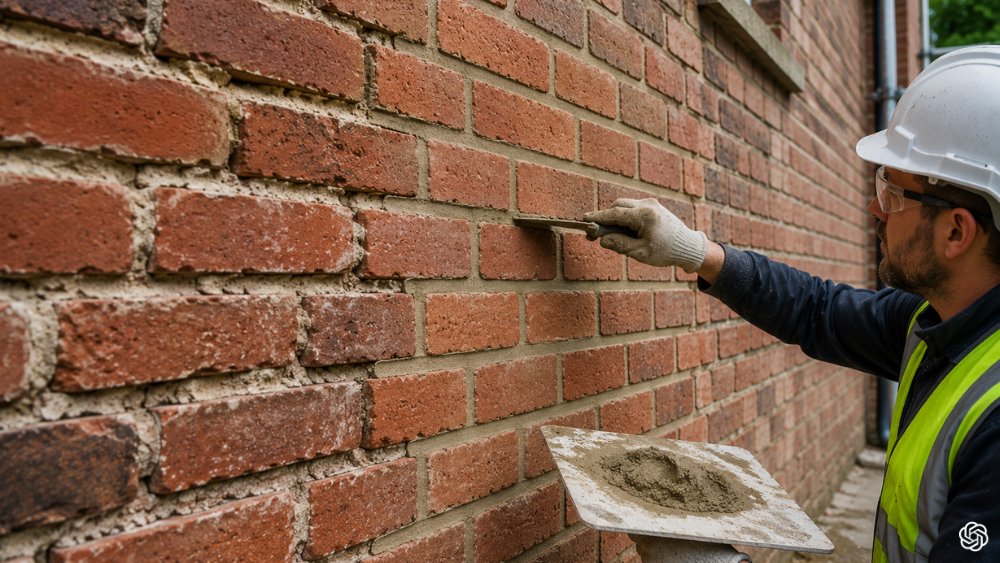
Repointing is the process of removing damaged mortar and replacing it with fresh material. This restores both the strength and appearance of the brickwork. While it may seem like a simple task, it requires careful attention to detail, particularly when working with older structures. The type of mortar used must match the original as closely as possible to ensure compatibility and long term performance.
When carried out correctly, repointing extends the lifespan of brickwork significantly. It seals gaps, prevents water ingress, and improves the overall stability of the wall. It also enhances the visual appeal of the structure, as clean and well defined joints can make brickwork look renewed without altering its original character.
Timing is a key factor in repointing. If done too early, it may not be necessary, but if delayed too long, the damage can spread to the bricks themselves. Once bricks begin to deteriorate, repairs become more complex and expensive. This is why understanding the condition of mortar joints is so important. It allows property owners to act at the right time and avoid unnecessary costs.
Another important aspect of repointing is the technique used. Different joint finishes, such as flush, recessed, or weather struck, affect both appearance and performance. The choice of finish should consider the building style, exposure to weather, and historical context where relevant. Proper technique ensures that the new mortar bonds well and performs effectively over time.
Why Mortar Fails and How to Prevent It
Mortar failure can occur for several reasons, and understanding these causes helps in preventing future issues. Weather exposure is one of the most common factors. Rain, frost, and temperature fluctuations gradually weaken mortar, especially if it is already ageing. Freeze thaw cycles are particularly damaging, as water trapped in joints expands when frozen, causing cracks.
Another cause of mortar deterioration is the use of inappropriate materials. In some cases, modern cement based mortar is used to repair older buildings that were originally constructed with lime mortar. This mismatch can create problems, as cement is harder and less flexible. It does not allow the building to breathe in the same way, which can trap moisture and lead to further damage.
Poor workmanship can also contribute to early failure. If mortar is not mixed or applied correctly, it may not bond properly or may dry too quickly. This reduces its durability and effectiveness. Environmental factors such as pollution and salt exposure can also accelerate wear, especially in urban or coastal areas.
Preventing mortar failure involves a combination of regular maintenance, correct material selection, and proper application techniques. Ensuring that repairs are carried out using suitable methods helps maintain the balance between strength and flexibility that mortar joints require. It also supports the long term health of the entire structure.
The Impact of Neglecting Mortar Joints
Ignoring the condition of mortar joints can lead to a range of problems that go beyond simple cosmetic issues. One of the most immediate risks is water penetration. Once water enters the structure, it can affect insulation, damage internal walls, and create conditions for mould growth. Over time, this can impact both the comfort and safety of the property.
Structural integrity is another major concern. As mortar weakens, bricks lose the support that holds them in place. This can lead to movement within the wall, which may cause cracks to spread or sections to become unstable. In severe cases, this can result in partial collapse, especially in older or poorly maintained buildings.
There is also a financial impact to consider. Minor repairs, such as repointing, are relatively straightforward when carried out at the right time. However, if deterioration is left unchecked, the cost of repairs increases significantly. Replacing damaged bricks, addressing internal damp issues, and repairing structural damage can be far more expensive than maintaining mortar joints regularly.
Beyond these practical concerns, there is also the issue of preserving the character of a building. Many properties, particularly period homes, rely on their original brickwork for their appearance and historical value. Maintaining mortar joints helps retain this character while ensuring that the structure remains safe and functional.
Understanding the Long-Term Value of Proper Maintenance
Maintaining mortar joints is not just about fixing visible problems. It is about protecting the long term value of a property. Well maintained brickwork contributes to the overall durability of a building, reducing the need for major repairs in the future. It also supports energy efficiency by preventing drafts and moisture ingress.
For those considering property improvements, maintaining mortar joints can also enhance visual appeal. Clean, well defined joints give brickwork a refreshed appearance without altering its original design. This can be particularly important for properties that aim to retain a traditional look.
There is also a growing awareness of the importance of sustainable building practices. Repairing and maintaining existing structures is often more environmentally responsible than replacing them. By focusing on mortar joint maintenance, property owners can extend the life of their buildings while reducing waste and resource use.
Understanding the importance of mortar joints encourages a more proactive approach to property care. Instead of waiting for visible damage to appear, regular inspection and timely maintenance help keep brickwork in good condition. This approach not only saves money but also ensures that buildings remain safe, functional, and visually appealing for years to come.
Final Thoughts on Mortar Joints and Brickwork Care
Mortar joints may seem like a small part of a building, but their role is essential. They support the structure, manage moisture, and protect against environmental damage. Over time, they naturally wear out, but with proper attention and maintenance, this process can be managed effectively.
Understanding how mortar joints function, recognising the signs of deterioration, and taking action when needed are key steps in maintaining brickwork. Repointing, when carried out correctly, restores both strength and appearance, ensuring that the structure continues to perform as intended.
For anyone responsible for a property, taking the time to care for mortar joints is a practical and worthwhile investment. It protects the building, preserves its character, and reduces the risk of costly repairs. In the long run, this simple aspect of maintenance plays a major role in keeping brickwork strong, stable, and lasting.
Why Choose Us?
At Dynamic Restoration Ltd., we focus on delivering high quality repointing services that protect and enhance brickwork for the long term. We approach every project with careful attention, ensuring that mortar joints are restored correctly to maintain both strength and appearance.
Skilled Workmanship
We carry out repointing with a high level of care, using proven techniques that help mortar joints perform effectively and support the structure over time.
Attention to Detail
We take time to assess the condition of brickwork before starting any work, allowing us to choose the right approach and achieve a clean, consistent finish.
Suitable Materials
We use materials that match the existing structure, helping maintain the original character while ensuring the mortar works as it should.
Long Term Protection
Our repointing services are designed to reduce moisture entry, prevent further damage, and extend the life of the brickwork.
Clean and Respectful Approach
We work in a tidy and organised manner, ensuring minimal disruption while maintaining a professional standard throughout the project.At Dynamic Restoration Ltd., we provide expert repointing services that restore the strength, appearance, and longevity of your brickwork while protecting it from moisture and structural wear. We carefully assess each surface and apply suitable techniques to ensure mortar joints perform effectively and maintain the character of the property. With a focus on precision and long term results, we help preserve brickwork through skilled repointing solutions.