
Repointing and Why It Is Essential for Long Term Brickwork Care
Repointing is one of the most important yet least understood aspects of brickwork maintenance. Many people notice cracked mortar joints, crumbling gaps between bricks or damp marks inside their property without realising that these are often early signs of mortar failure. Mortar is not just a filler between bricks. It plays a critical role in holding masonry together, managing moisture movement and protecting the structural integrity of a building. When mortar begins to fail, the entire wall system becomes vulnerable to water ingress, heat loss and gradual decay. Repointing is the process of carefully removing damaged or weakened mortar and replacing it with new, compatible material that restores strength and breathability to the wall. This guide explains repointing in clear and simple terms, exploring why it matters, how it works and how it supports the long term health of buildings across the UK.
Understanding repointing is especially important in a climate where buildings face regular exposure to rain, wind and temperature changes. Brick and stone structures are designed to move slightly and manage moisture naturally, but this only works when the mortar joints are in good condition. Over time weathering, pollution and age cause mortar to erode. This erosion creates gaps where water can enter and sit within the wall.
When temperatures drop, trapped moisture expands and contracts, leading to cracking and internal damp problems. Repointing addresses these issues at their source. Rather than being a cosmetic fix, it is a fundamental maintenance process that protects the building fabric and helps prevent more costly repairs later.
This article is written to support homeowners, landlords and property professionals who want to understand repointing properly before making decisions. It focuses on education rather than promotion and reflects a practical, experience led approach to building care. By the end, you will have a clear picture of what repointing achieves, how it should be done correctly and why it plays such a vital role in preserving brickwork for future generations.
What Repointing Really Does for Brick and Masonry Walls
To understand repointing fully, it helps to understand the role mortar plays in a wall. Mortar is designed to be softer and more flexible than the bricks or stones it holds together. This allows it to absorb movement caused by weather changes and structural settling without damaging the masonry units themselves. Over decades, this sacrificial role means mortar slowly wears away. While this is normal, problems arise when erosion is left unaddressed. Open joints allow rainwater to penetrate the wall, leading to damp patches, salt deposits and internal condensation. In severe cases, water ingress can cause timber decay, mould growth and damage to internal finishes.
Repointing restores the wall’s ability to manage moisture and movement. By removing failing mortar and replacing it with a carefully matched mix, the wall regains its protective outer layer. Proper repointing ensures that moisture is directed away from the building rather than drawn into it. This is especially important for older properties built with lime based mortar, which relies on breathability to function correctly. Using the wrong mortar during repointing can cause serious damage by trapping moisture within the wall. This is why professional knowledge and material compatibility are essential.
The benefits of repointing extend beyond moisture control. Strong, well formed joints help distribute structural loads evenly across the wall. This reduces stress on individual bricks and minimises the risk of cracking or movement. Repointing also improves thermal performance by reducing draughts and heat loss through gaps in the masonry. From an aesthetic perspective, fresh mortar can transform the appearance of a building, bringing definition and uniformity back to brickwork without altering its character. When done sensitively, repointing enhances the original design rather than overpowering it.
How Professional Repointing Is Carried Out Safely and Correctly
Repointing is a skilled process that requires patience, experience and attention to detail. It begins with a thorough assessment of the building to determine the extent of mortar deterioration and the most suitable approach. Not all walls require full repointing. In some cases, only exposed or heavily weathered areas need attention. A professional assessment helps avoid unnecessary work and ensures that intervention is proportionate to the condition of the wall.
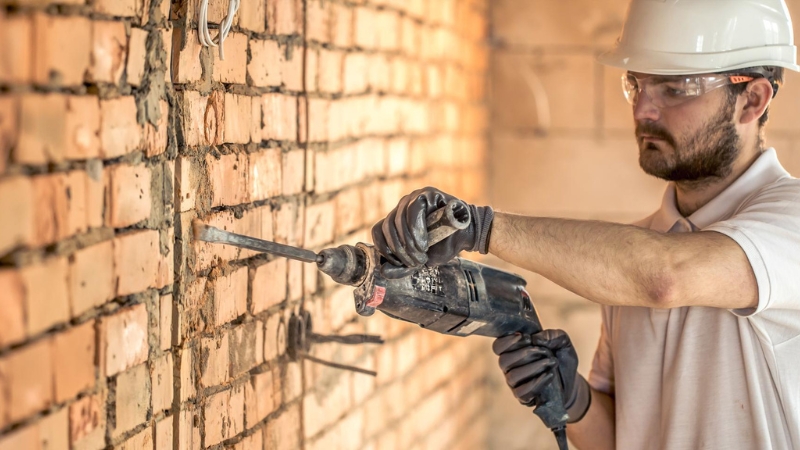
Once the scope is defined, damaged mortar is carefully removed to a suitable depth, usually using hand tools or specialist equipment designed to protect brick edges. This stage is critical. Removing too little mortar results in weak joints that fail quickly, while aggressive removal can damage the bricks themselves. Dust and debris are cleared from the joints so that new mortar can bond properly. The replacement mortar is then prepared to match the original in strength, composition and appearance. This matching process is particularly important for older buildings where traditional lime mortar was used. Lime based mortars allow walls to breathe and accommodate movement, making them ideal for historic and period properties.
The application of new mortar is done in controlled stages, allowing it to cure slowly and evenly. Rapid drying can lead to cracking and shrinkage, so moisture control during curing is essential. Experienced professionals monitor weather conditions and adjust their methods accordingly. Once the mortar has set, joints are finished to match the original profile, whether that is flush, recessed or weather struck. This finishing stage influences both appearance and performance, as joint shape affects how water runs off the wall.
Throughout the process, care is taken to protect surrounding surfaces, windows and landscaping. Repointing can be dusty work, so appropriate measures are used to minimise disruption. When completed correctly, the result is a wall that looks authentic, performs as intended and is protected for many years.
Signs That Repointing Is Needed and Why Early Action Matters
Many property owners are unsure when repointing is necessary because mortar deterioration can be gradual and easy to overlook. Common signs include crumbling or powdery mortar, visible gaps between bricks, hairline cracks and areas where mortar has fallen away completely. Discolouration, damp patches and efflorescence on internal walls can also indicate failing joints. In some cases, bricks may feel loose or unstable, signalling advanced mortar failure.
Acting early when these signs appear can prevent more serious damage. When mortar joints are left open, water penetration accelerates deterioration not only of the mortar but also of the bricks themselves. Bricks that remain saturated are more vulnerable to frost damage, leading to surface spalling and cracking. Over time this can compromise the structural integrity of the wall, requiring more extensive and expensive repairs than repointing alone.
Early repointing helps preserve the original materials of the building. It maintains the balance between strength and flexibility that masonry walls rely on. For heritage properties, timely repointing is particularly important because replacement bricks may not match the original in appearance or performance. Preserving original fabric through careful maintenance is always preferable to replacement where possible.
Repointing also plays a role in maintaining healthy internal environments. Damp caused by failing mortar can lead to mould growth, poor air quality and discomfort for occupants. By restoring the wall’s external defence, repointing helps keep interiors dry and stable. This contributes to occupant wellbeing as well as property longevity.
Repointing in the Context of Heritage and Older Buildings
Older buildings present unique challenges and opportunities when it comes to repointing. Many historic properties were constructed using materials and techniques that differ significantly from modern building practices. Lime mortar was commonly used because it is flexible and breathable, allowing moisture to evaporate naturally. Using modern cement based mortar on these buildings can cause serious harm. Cement is harder and less permeable than lime, which means it can trap moisture within the wall. This trapped moisture often leads to accelerated decay of the surrounding bricks or stones.
Sensitive repointing respects the original construction methods and materials. This involves analysing the existing mortar to understand its composition and selecting a compatible replacement. Colour matching is also important to maintain the visual integrity of the building. Skilled practitioners understand that repointing is not about making old buildings look new but about preserving their character while ensuring structural soundness.
In conservation areas and listed buildings, repointing may be subject to specific guidelines. Understanding these requirements and working within them ensures that maintenance work supports heritage preservation goals. Properly executed repointing can extend the life of historic masonry by decades, allowing it to continue telling its story without unnecessary alteration.
The Relationship Between Repointing and Other Brickwork Care
Repointing does not exist in isolation. It is often part of a broader approach to exterior maintenance that includes brick cleaning, paint removal and surface repairs. Cleaning brickwork before repointing can reveal the true condition of mortar joints and help identify areas that need attention. Removing paint or render may also be necessary to access joints properly and allow the wall to breathe. These processes work together to restore the wall’s natural behaviour and appearance.
After repointing, ongoing care helps maximise the lifespan of the work. Regular visual inspections, gentle cleaning and prompt attention to minor issues can prevent the need for frequent intervention. Understanding how different elements of exterior care interact empowers property owners to make informed decisions that protect their investment.
Repointing also influences future maintenance choices. A well repointed wall provides a stable base for any additional work, whether that involves applying breathable finishes or carrying out minor repairs. It sets a standard for quality and compatibility that supports the long term health of the building.
Making Informed Decisions About Repointing
Choosing when and how to repoint requires thoughtful consideration. It is not always obvious from ground level how extensive mortar deterioration may be, especially on taller buildings. Professional assessment provides clarity and helps prioritise work based on risk and condition. Understanding the materials used, the age of the building and its exposure to weather informs the most appropriate approach.
Repointing should always be viewed as an investment in the future of the property rather than a short term fix. When done correctly, it delivers lasting benefits that outweigh the initial cost. These benefits include reduced maintenance needs, improved energy efficiency and enhanced appearance. More importantly, repointing protects the structural fabric that allows the building to function as intended.
For property owners who value longevity, safety and authenticity, repointing is a cornerstone of responsible building care. It reflects an understanding that buildings are living structures that require informed maintenance to thrive over time. By addressing mortar deterioration thoughtfully and proactively, repointing supports the continued use and enjoyment of brick and masonry buildings across generations.