

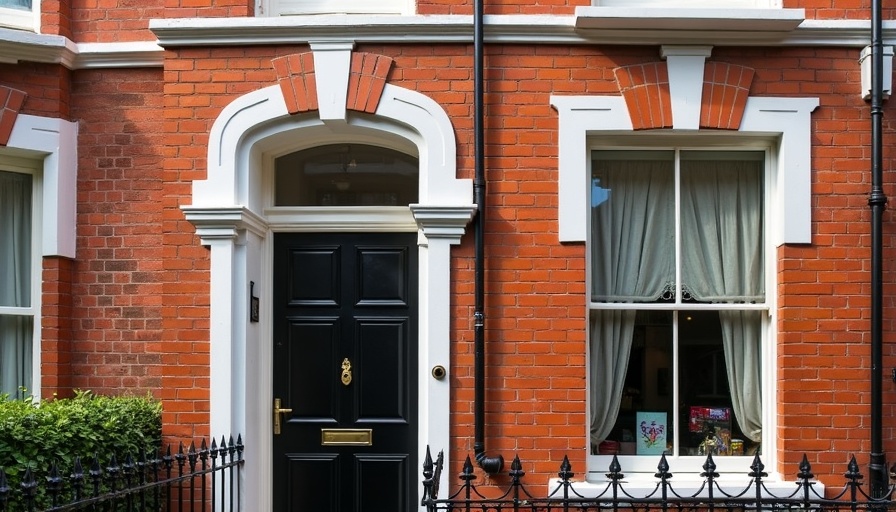
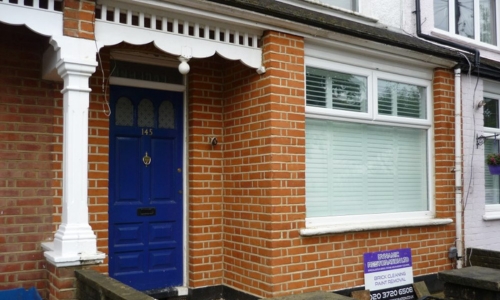
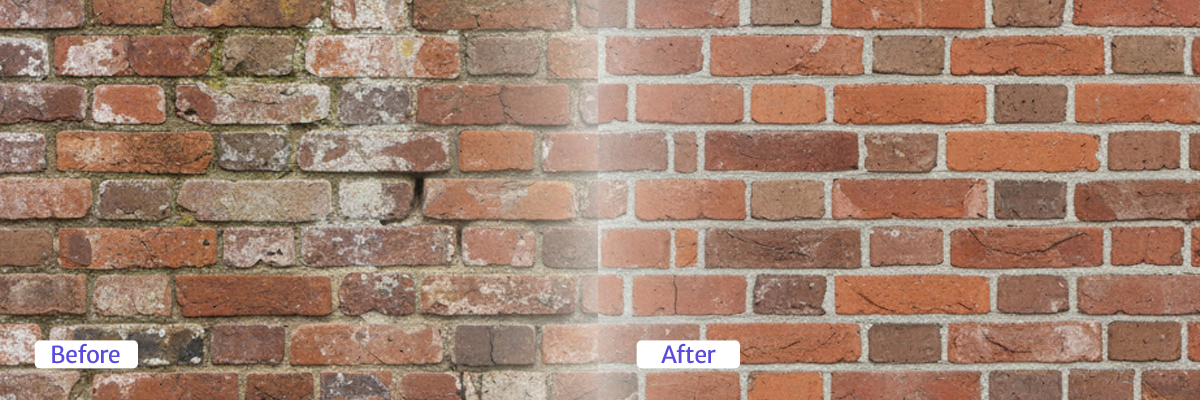
Brick Cleaning
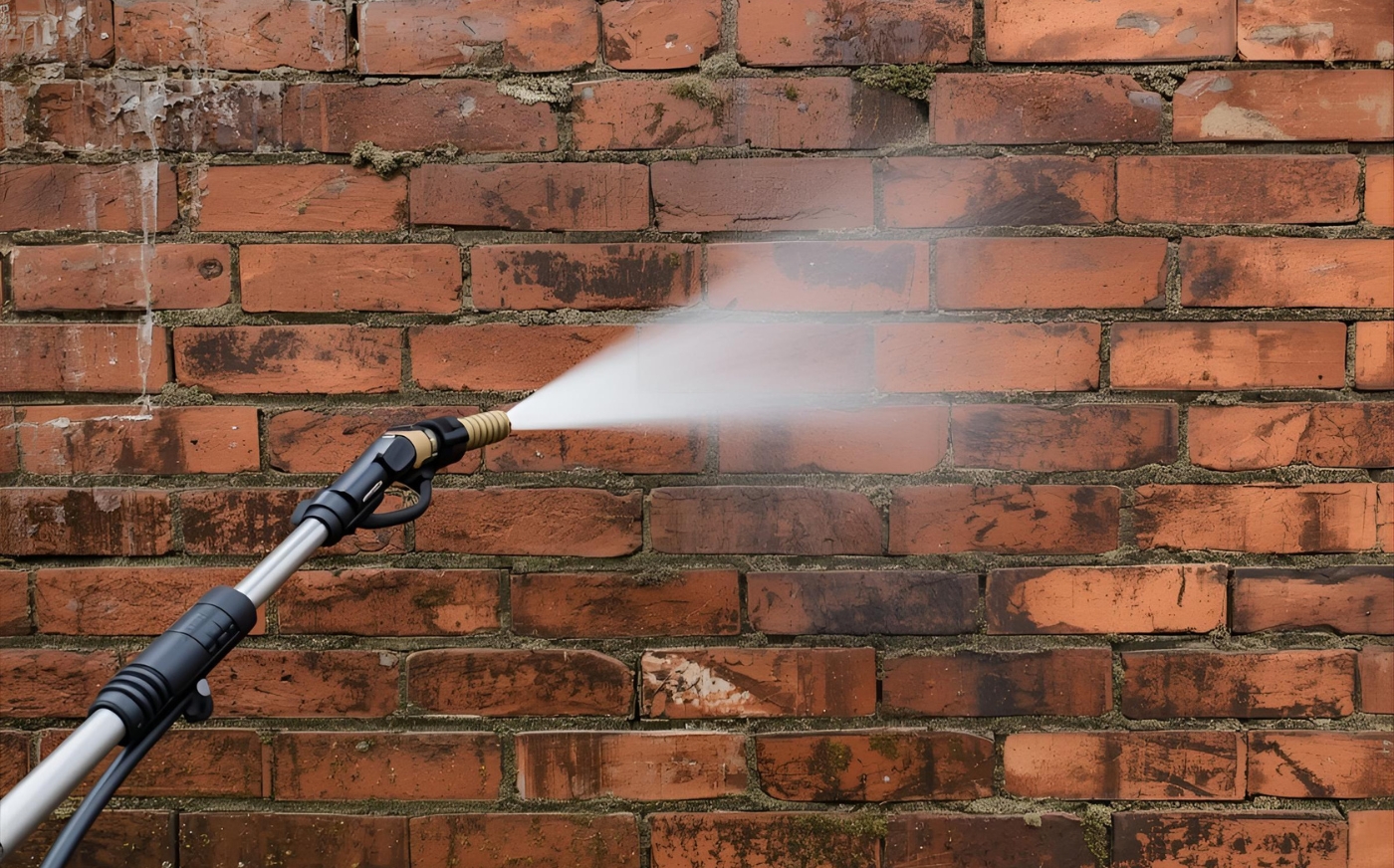
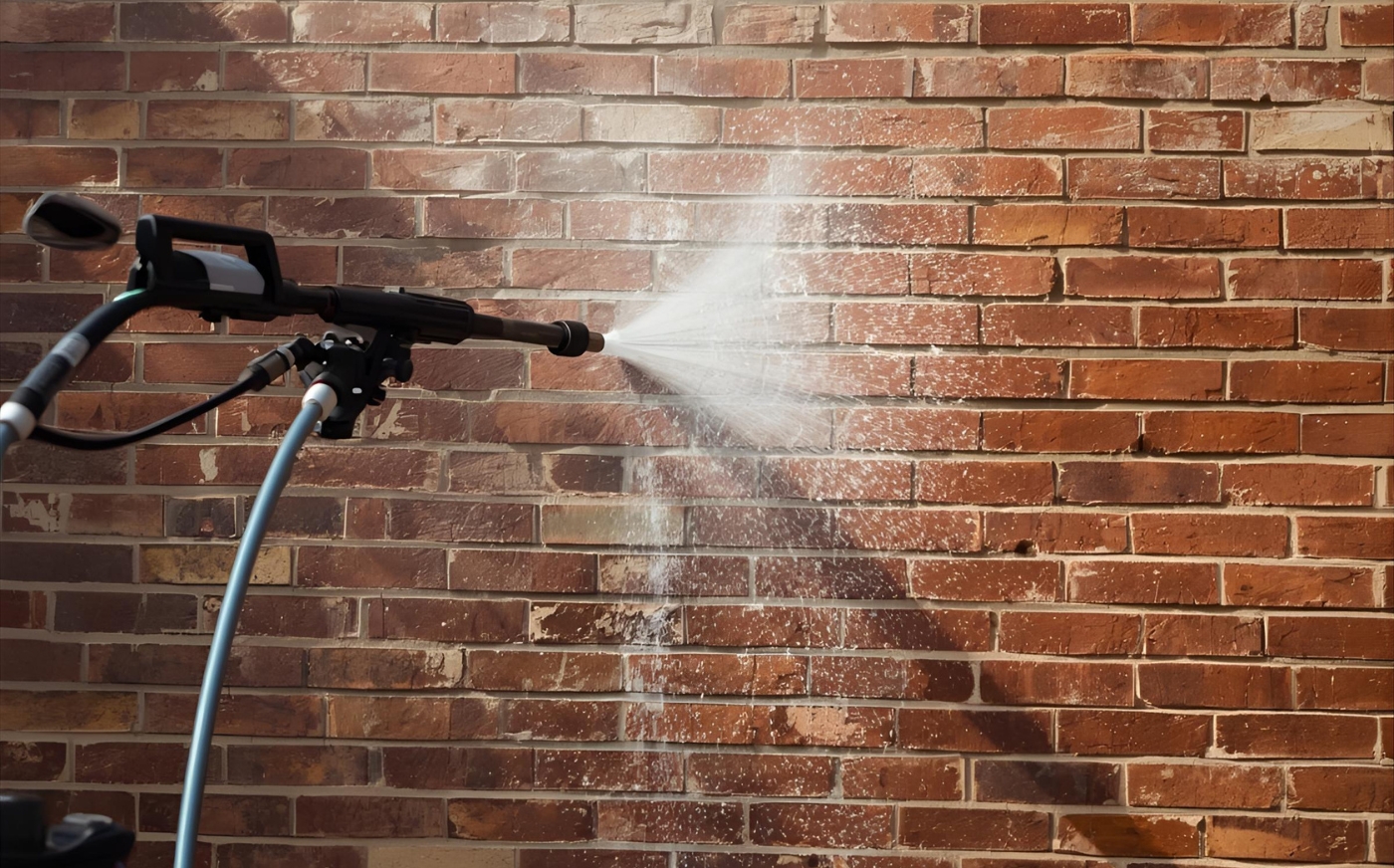
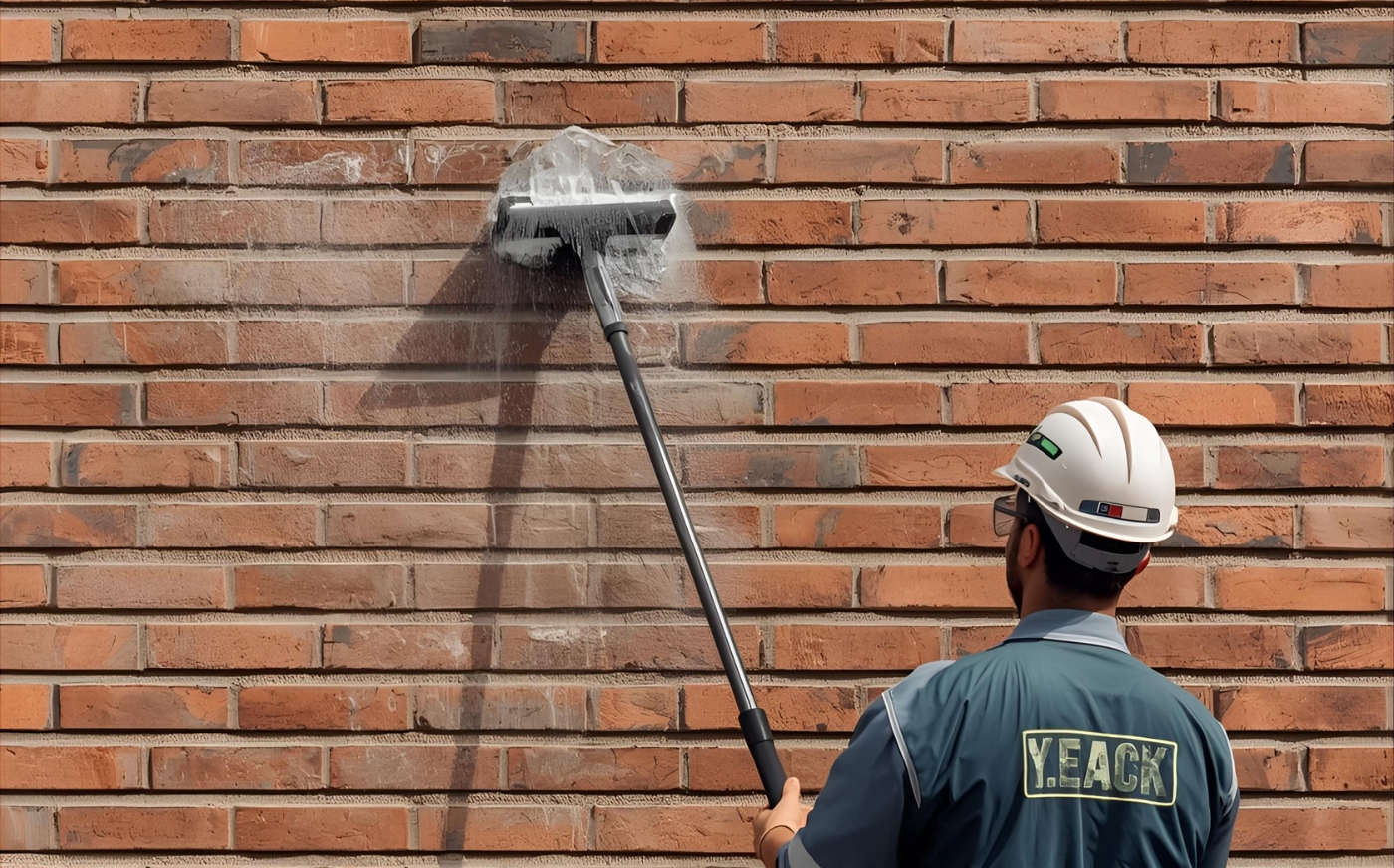
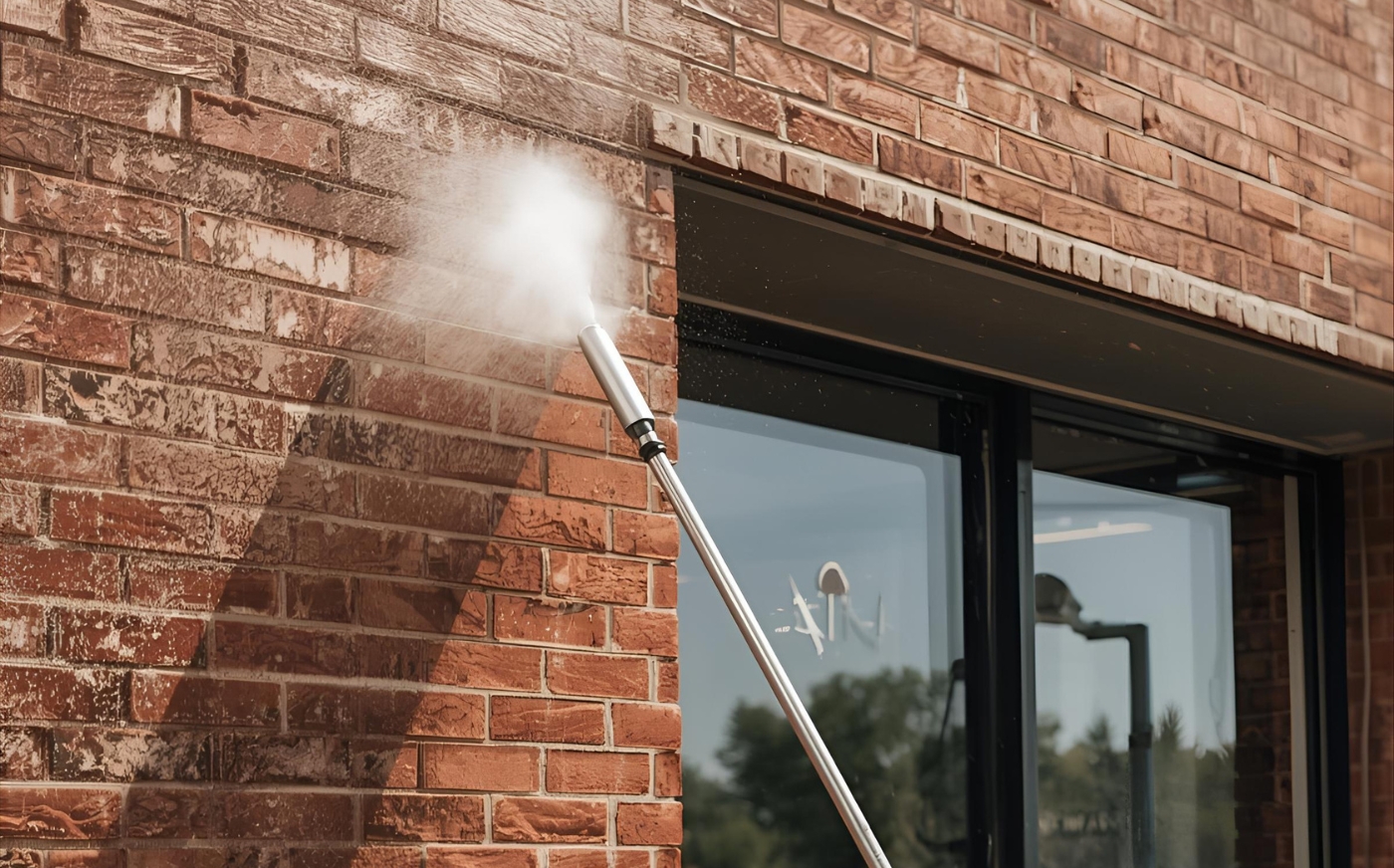
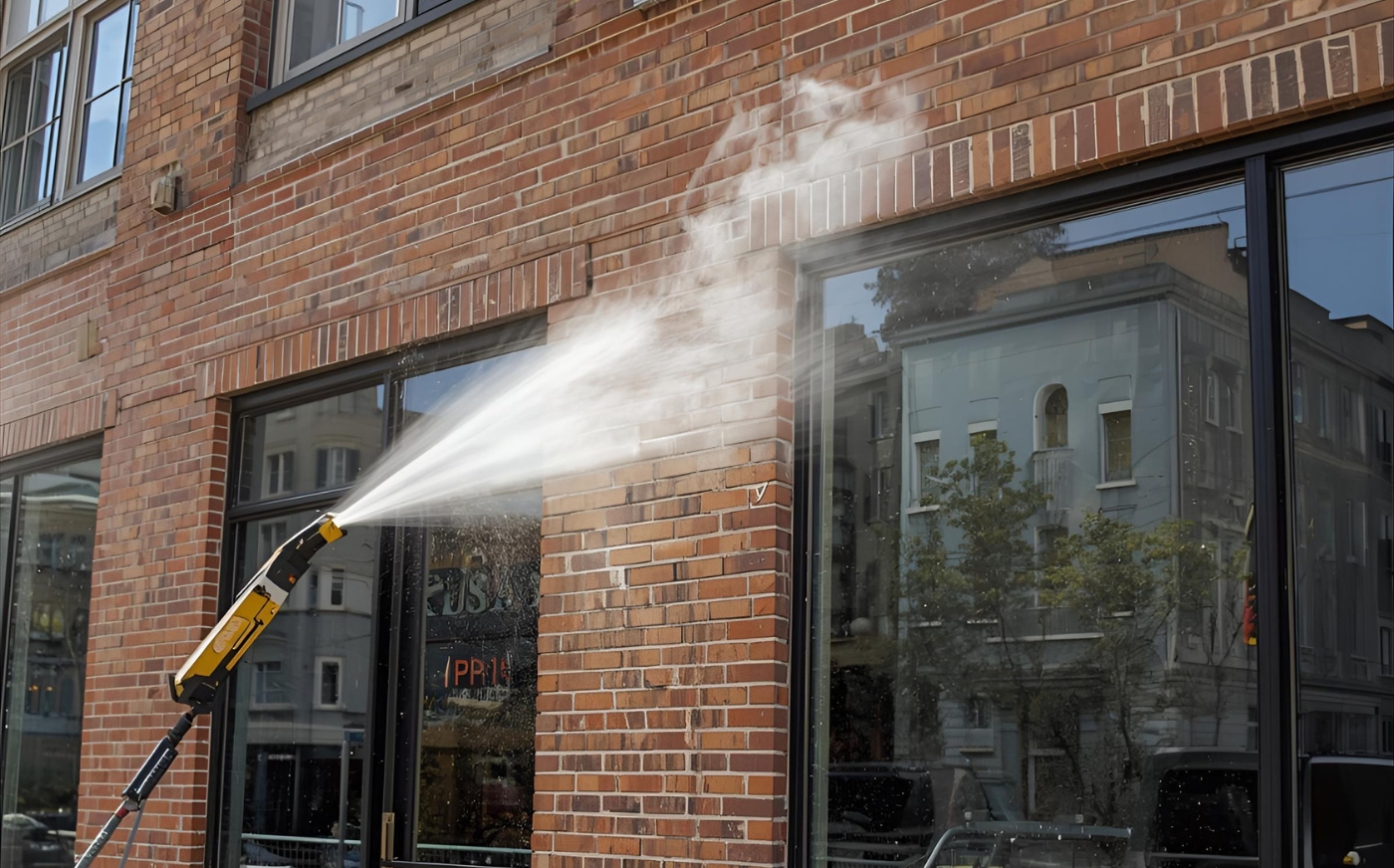
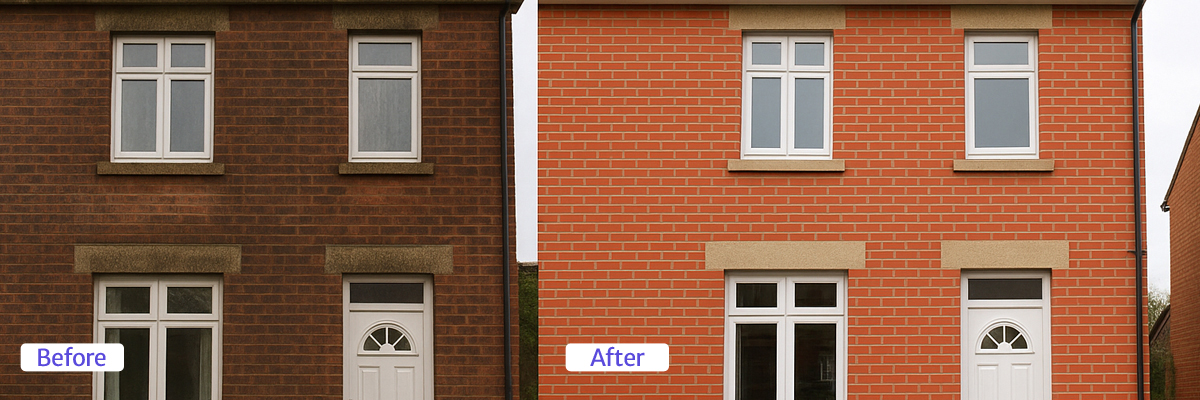
Brick cleaning improves appearance and restores the natural look while protecting the structure.
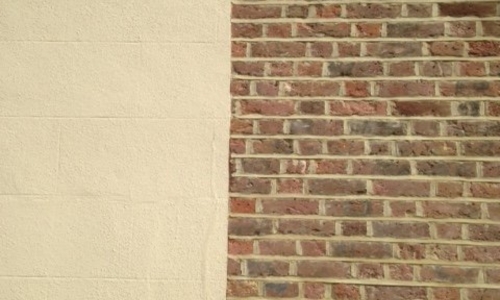
Paint Removal
Gentle and effective paint removal restores original character.
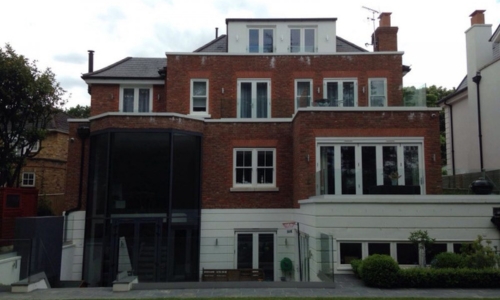
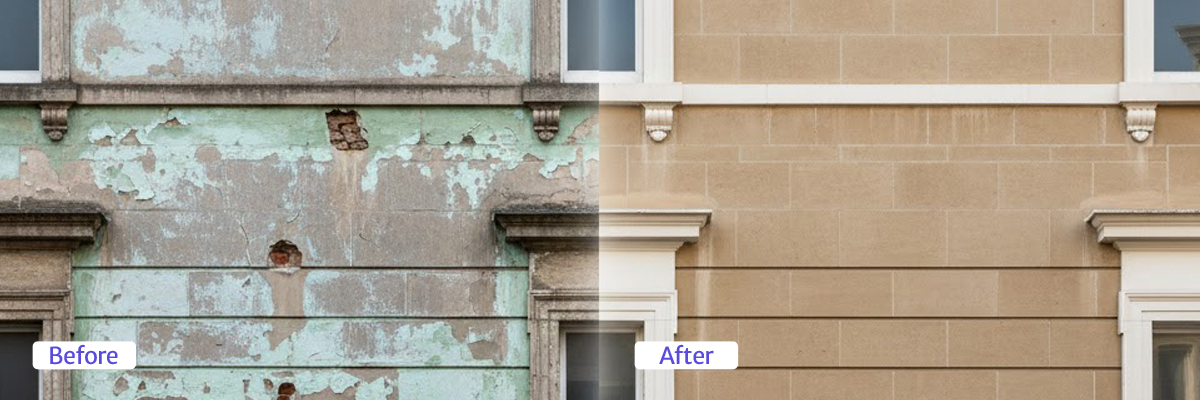
Stone Cleaning
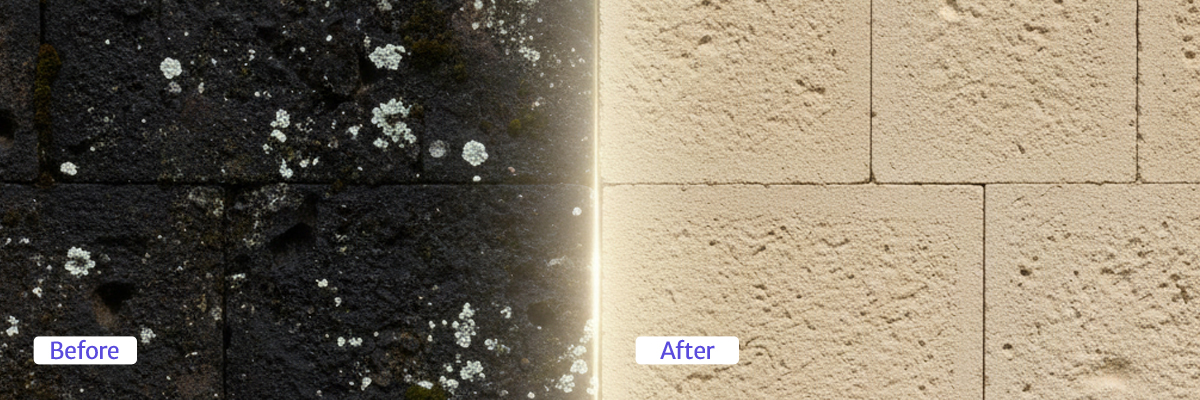
We revive stone surfaces, remove staining and brighten the appearance.
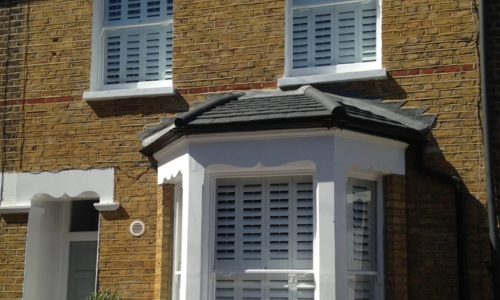
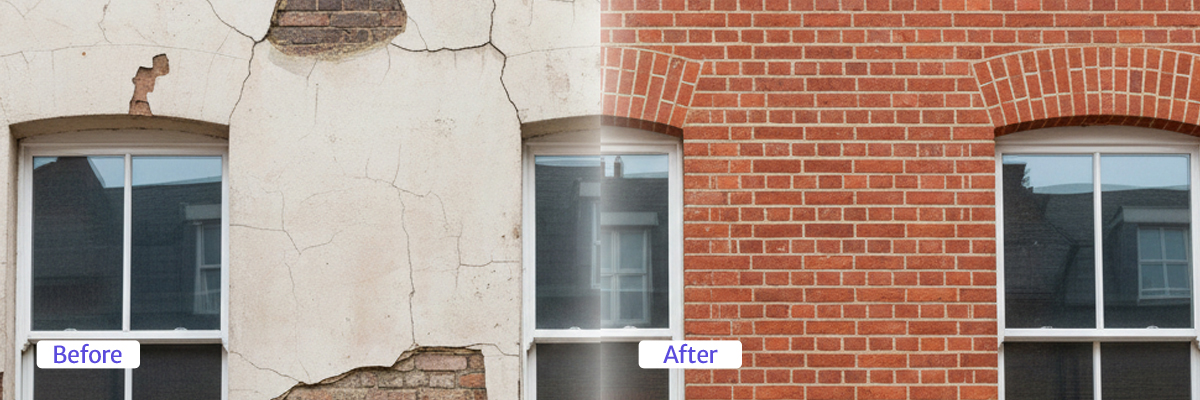
Render Removal
Safe and clean removal of outdated render.
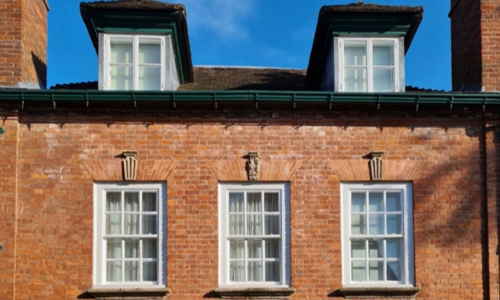
Repointing
High-quality repointing improves structural strength and appearance.
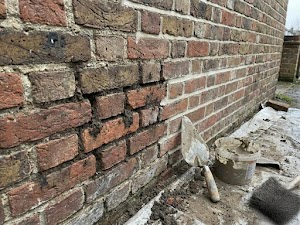

James Buckingham
5 months ago
I engaged the team to do a small repair when they were working on my neighbour's property. The team were a pleasure to deal with and did a great job. I would not hesitate to engage them again and would recommend them to family and friends.

S. A.
5 months ago
We recently completed a full repointing project on our Victorian property with Billie and the Dynamic Restoration team and genuinely could not recommend them more highly.
From start to finish, they were professional, responsive, reliable and incredibly hardworking. Communication throughout was excellent — always available to answer questions, explain things clearly and keep us updated as the works progressed.
The quality of the repointing itself has been excellent and the team clearly take real pride in their workmanship. They were also exceptionally clean and respectful throughout the project, constantly tidying up after themselves and being very considerate to both us and the neighbours.
What particularly stood out was how accommodating and solution-oriented they were whenever anything unexpected came up. It made what could have been a stressful project feel very manageable.
Overall, a fantastic experience and we would absolutely use Billie and the team again without hesitation.
Thank you again Billie and team!

Jonathan Burton
8 months ago
We employed Dynamic Restoration to remove the pebbledash from the back of our house, clean the bricks that were underneath, and then repoint. I was really impressed with the work they did and wouldn't hesitate to recommend. Of the three quotes I got Billie's was by far the best value, and he was the only one who actually came out to look at the job before providing the price (the others just did it based on photos). The work started when agreed, the team were all very polite and worked hard, and we're really pleased with the results. Billie even did a couple of touch ups to the front of the house free of charge!

jake dawsa-seijas
9 months ago
Billy was most friendly, quick & professional in getting the job done! Would highly recommend him & his service to friends & family!

Nicola Smith
10 months ago
Excellent service from start to finish. We got our pointing done in our house and the team did a fantastic high-quality job. Everyone we spoke with were very friendly and trustworthy. They kept the place tidy and made sure quality of finish. Would definitely recommend and use again

Rachel Monro
1 year ago
Billie and his team just wrapped up work on our house and we couldn't be happier! The transformation is incredible and Billie and co were friendly and professional throughout. Would 100% recommend!

Alex Clausen Goosey
1 year ago
We were recommended to use these guys by a neighbour and I highly recommend them too, after they restored our own Victorian brickwork and repointed. So helpful in answering my many questions when we were scoping out who to use, providing local addresses I could visit to see previous work. The work itself was done professionally, with minimal interruption to our day to day, even though we were working from home. Special call out for Liam, who impressed us enormously. He was so diligent and respectful and clearly wants his work to be of a high standard.

David Roberts
1 year ago
Great service and quality of work would highly recommend!

Nicola Nixon
1 year ago
I was recommended Billie and his team by all my neighbours and I was really pleased with the work done. My wall is vastly improved from its flaky old paint coating! The boys were friendly and courteous and always made the effort to clean up after themselves each day to minimise disruption.

Ian Dyson
1 year ago
Excellent work from a very professional team. I had all the paint removed from the brickwork at the front of the house. This was a major piece of work, as many of the bricks had crumbled, and required repairs. Nothing fazed the team - they were punctual, polite, and worked hard depite extremes of weather that delayed some of the work. I am really pleased with the finished work and would recommend Billie and the team thoroughly. Throughout the work, I was kept up to date on addtional costs that could not be quouted at the start of the work as the condition of the bricks under the paint was unknown then. But becuse of regular contact with billie, i had no surprises re cost. And considering the extent of the work, a very reasonable final bill.

L Matthews
1 year ago
Used them twice and they are great. Fast, professional, efficient. Thank you

Jemma Lee
1 year ago
Excellent service from Dynamic Restoration Ltd - Professional , reliable and great attention to detail.
The team delivered high-quality work and kept us informed throughout . Highly recommended !

Su Kim-Stroud
1 year ago
We were very happy with the work that Billie and his team did for our Edwardian house. They stuck to their schedules and were always a pleasure to have around. We really appreciated them going above and beyond when needed.

Sardor Mirzakhojaev
1 year ago
We had a great experience with Dynamic Restoration. They were fast, reliable, and handled everything with care. The results were outstanding. Highly recommended!

jo johnson
1 year ago
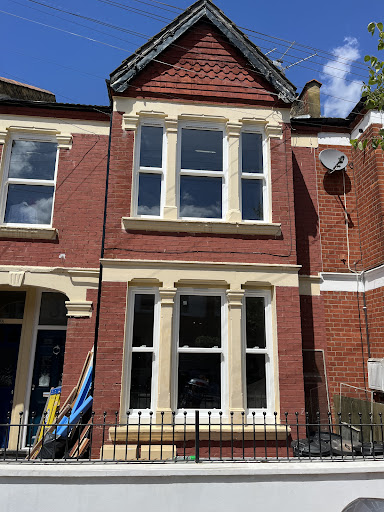
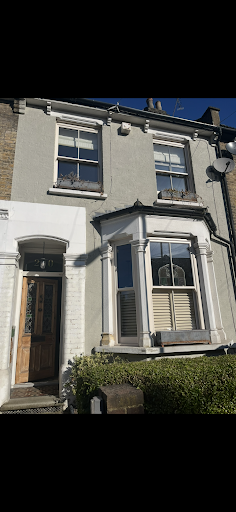
The team at Dynamic Restoration Ltd were brillant ! I’m really happy with the results . They have restored the brickwork to the front of my house to its former glory . The team were friendly & very professional . They removed all the painted coating & re pointed the brick work . Excellent job . I would highly recommend .

Fiona Robertson
2 years ago
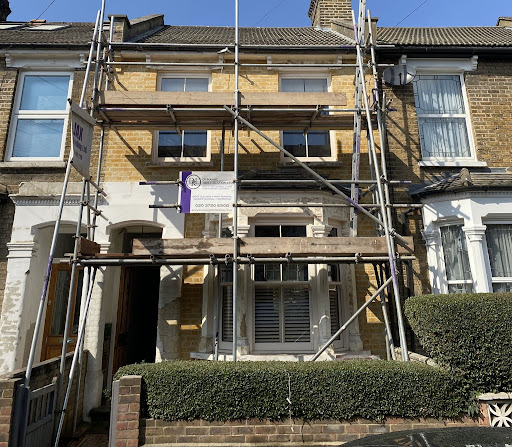
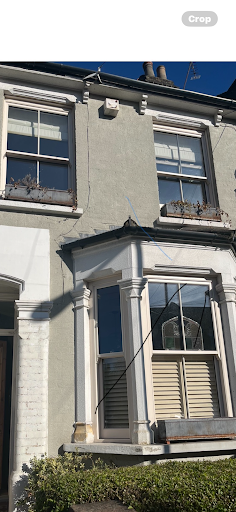
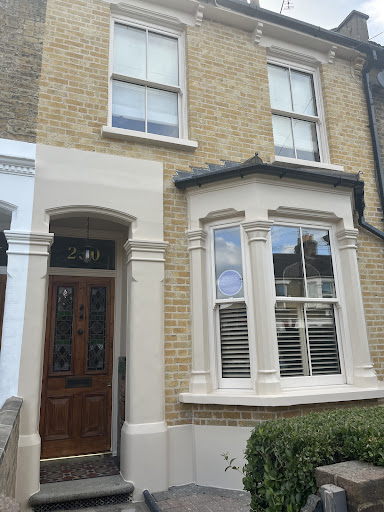
Billie and his team have made a fabulous job of restoring the brick on our Victorian house. Some areas of the brick were covered in paint, and the rest of the bricks, tiling and grouting were in a very poor state. However, after just 3 weeks, our house is transformed and looks amazing! The bricks and tiling have cleaned up beautifully and the new grouting is perfect. Billie even picked out some of the bricks in a darker colour, as they would’ve been originally. All the team were polite, punctual and tidy and we would have absolutely no hesitation in recommending them. Thank you all very much, we’re delighted with the work.

neil simpson
2 years ago
Great work carried out by Billie and the team, repointing and repairing front and back of the house. Everyone was very considerate too. We would recommend them with no hesitation.

Chris Pavlis
2 years ago
Our house was covered in layers of thick, badly applied cream paint and desperately needed repointing. The job that Billie and his team did surpassed all expectations. Brickwork restored and repointing meticulous. Highly recommend this company. Really well managed, professional and care about their work. Job lasted around 5 weeks during winter and the site was tidied thoroughly at the end of every day despite dark and cold setting in.

Ana W.
2 years ago
The Dynamic Restoration team did an incredible work with the paint removal and repointing to our house. I was looking for a provider that could bring back the house to its original look, found Dynamic Restoration through a friend’s recommendation and couldn’t be more pleased with the result. Friendly, reliable and efficient and were able to promptly sort issues that came up along the way. Would recommend.

LD LB
3 years ago
Really pleased with the paint removal and repointing on the front of our home. I chose Dynamic Restoration as I was impressed with the quality of the finish I saw on previous work. Natalie was so friendly and efficient getting us booked in and Billie and Jonathan did a great job, explaining what they were doing along the way, providing options for the repointing style and ensuring that everything was protected and cleaned up afterwards. It’s made an incredible difference to our home-would definitely recommend them.
- All
- Brick Cleaning
- Paint Removal
- Repointing
- Render Removal
- Stone Cleaning

- All
- Brick Cleaning
- Paint Removal
- Stone Cleaning
- Render Removal
- Repointing


