
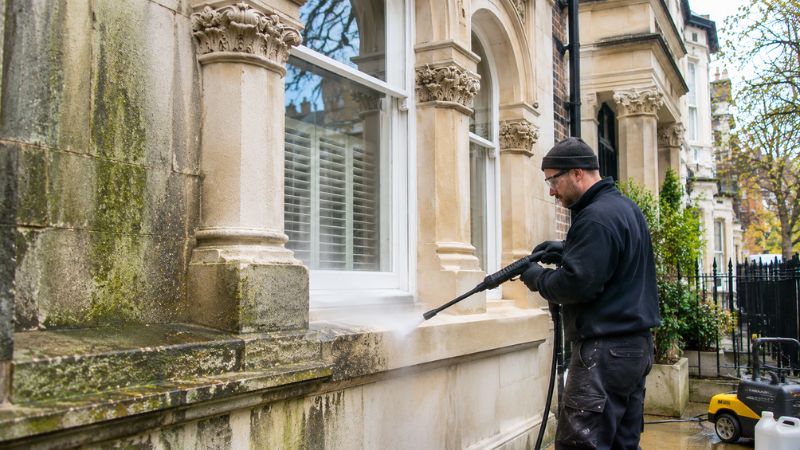
How Much Does It Cost to Clean a Stone Building in South West London?
Stone buildings can lose their original appearance over time. Pollution, rain, algae, moss and general dirt can leave walls looking dark, stained and neglected. If you own or manage a stone property in South West London, you may be wondering how much professional stone cleaning costs and whether the work is worth the expense.
The cost of stone cleaning depends on several factors. These include the type of stone, the size of the building, the level of staining and the method needed to clean the surface safely. Access to the building can also affect the final price, especially when work is required at height.
There is no single price that suits every property. A small stone entrance may need only a few hours of careful cleaning, while a large Victorian building with years of pollution staining may need more time, equipment and planning.
Dynamic Restoration Ltd understands what affects stone cleaning costs and can help you plan your budget and avoid paying for work that your building does not need. This guide explains the main pricing factors, the methods used by professional cleaners and what to expect when arranging a stone cleaning project in South West London.
What Is the Average Cost of Stone Cleaning in South West London?
The cost of cleaning a stone building is usually based on the work involved rather than a fixed price per property. Some cleaning companies may use a price per square metre as a starting point, while others provide a full project quotation after inspecting the building.
For this reason, it would be misleading to give one average figure without knowing the condition and size of the stonework. Two buildings with similar front elevations can have very different cleaning needs. One may have a light layer of surface dirt, while the other may have deep black staining, algae growth or old paint that needs specialist treatment.
The type of stone is another important factor. Limestone, sandstone, Portland stone, Bath stone, granite and marble all respond differently to cleaning. Softer and more porous materials often need a gentler approach. Harder stone may allow a wider choice of cleaning methods, but the surface condition still needs to be checked.
The cleaning method can also affect the price. DOFF steam cleaning, TORC cleaning, nebulous spray systems and chemical poultices each involve different equipment, materials and working times. Manual cleaning around carvings, decorative stonework and memorial details can take longer because the work needs to be carried out with care.
A professional quotation should explain what is included, which cleaning method is proposed and whether additional work is needed. This gives you a clearer idea of the cost before the project starts.
For buildings in Wimbledon, Chelsea, Richmond, Clapham, Fulham and nearby areas, the best starting point is a property assessment. It allows the cleaning company to understand the surface, identify any risks and provide a price based on the actual work required.
What Factors Affect the Cost of Cleaning a Stone Building?
The size of the building is one of the first things a cleaning company will consider. A larger surface naturally requires more working time, equipment and cleaning materials. However, the total area is not the only factor. A building with simple, flat walls may be easier to clean than one with decorative stone features, narrow ledges, columns and detailed carvings.
The condition of the stone also plays a major part. Light dust and general surface dirt may be easier to remove than years of built-up carbon deposits, paint, rust or oil stains. Buildings near busy roads in Central and South West London can collect pollution deposits over time. These dark marks may need a specialist process rather than ordinary washing.
The type and age of the stone are equally important. Older buildings often contain softer materials that can be damaged by excessive pressure or unsuitable cleaning products. For example, Bath stone and limestone need careful treatment because aggressive cleaning can remove the surface or cause lasting marks. Portland stone may also require a controlled method to protect its original finish.
Access is another cost factor that property owners sometimes overlook. Ground-level walls are usually easier to reach than upper floors, roof details or large stone façades. If scaffolding, specialist access equipment or rope access is required, this can increase the overall project cost. The location of the property can also affect planning, particularly where pavements, roads, public areas or neighbouring buildings need protection.
The level of preparation matters too. A professional team may need to cover windows, doors, nearby surfaces and plants before cleaning begins. Wastewater must also be managed correctly. These steps take time, but they help protect the property and its surroundings.
Previous treatments can affect the work as well. Stone that has been sealed, painted or cleaned using unsuitable chemicals may react differently to standard methods. A specialist should check the surface before deciding how to proceed.
This is why a site visit is more useful than a price based on photographs alone. It helps identify the work involved and reduces the risk of unexpected costs once cleaning begins.
Which Stone Cleaning Methods Can Affect Your Budget?
The cleaning method should always match the material and the type of dirt. Choosing a method simply because it is cheaper or faster can lead to surface damage and extra repair costs.
DOFF steam cleaning is often used on delicate stone surfaces. It uses superheated water at low pressure to remove dirt, biological growth and some paint deposits. It can be suitable for older façades and detailed stonework where high-pressure washing would be too harsh. The equipment and controlled working process may affect the price, but it can help protect sensitive materials.
TORC cleaning uses a controlled combination of air, water and a fine cleaning powder. It can help remove heavier deposits, including carbon staining and some old coatings. It is useful on certain types of stone, but the settings and materials must be selected carefully. The surface should always be assessed before this method is used.
Nebulous spray cleaning is another option for sensitive stone. It uses a fine mist of water to soften dirt over time. This can be suitable for materials such as limestone and Bath stone, particularly on older buildings where gentle treatment is important. Depending on the level of staining, the process may take longer than other methods.
Chemical poultices are sometimes used when stains have entered the pores of the stone. They can help draw out marks caused by rust, oil, paint or other substances. The product must be suitable for the material, and testing is important before treating a large area.
Manual cleaning is often needed around inscriptions, carved features, joints and fragile details. Soft brushes and specialist hand tools allow cleaners to work with greater control. Although this can increase labour time, it may be the safest option for delicate areas.
A professional cleaner may use more than one method on the same building. For example, the main façade may respond well to steam cleaning, while a stubborn stain around a stone doorway needs a poultice. The aim is to achieve a good result without removing the stone’s natural surface.
How Can You Avoid Paying More Than Necessary for Stone Cleaning?
The best way to control the cost is to understand what your building needs before agreeing to the work. Avoid choosing a company based only on the lowest quotation. A low price may not include proper preparation, suitable equipment or the time needed to clean delicate stone safely.
Ask whether the company will inspect the building before providing a final price. A site survey allows the team to check the material, staining, surface damage and access requirements. It also gives you the chance to explain which areas matter most and whether there are any concerns about the building.
A test panel is another useful step. It involves cleaning a small section first to show how the stone responds to the chosen method. This helps the contractor check the result before moving on to the wider surface. It is particularly useful for older buildings, listed properties and stone with mixed staining.
You should also ask whether the quotation includes access equipment, protective sheeting, cleaning materials and wastewater management. If the work involves several elevations, make sure the areas covered by the price are clearly explained.
It is worth discussing whether the building needs a full clean or only selected areas. A property with localised staining may not need every stone surface treated. However, partial cleaning should be planned carefully to avoid obvious differences in colour between cleaned and untreated sections.
After cleaning, ask whether a breathable sealant would be suitable. Some stone surfaces may benefit from additional protection, but sealing is not needed in every case. The product must allow the material to manage moisture properly. Using an unsuitable coating can create further problems.
Dynamic Restoration Ltd provides stone cleaning services across London, including South West London and nearby Surrey areas. The company assesses the stone before selecting a cleaning method and offers a free test panel to help establish the right approach. Protective sheeting is also used where needed to safeguard nearby surfaces during the work. These steps help property owners understand what the project involves before making a decision.
dynamicrestoration.co.uk+1
Is Professional Stone Cleaning Worth the Cost?
Professional stone cleaning can improve the appearance of a building, but its value is not limited to how the property looks. Removing harmful deposits and biological growth can help maintain the condition of the stone when the correct process is used.
Pollution, moss and algae can build up on external surfaces. Some deposits hold moisture against the stone, while certain stains can become harder to remove as time passes. Regular inspection and suitable cleaning can help prevent dirt from becoming a larger maintenance issue.
Stone cleaning can also bring out the original colour and detail of a property. This can make a difference to older homes, commercial buildings and period properties where the stonework is an important part of the design.
However, cleaning cannot repair every type of damage. Crumbling stone, open joints, cracks and loose sections may need separate restoration work. If these problems are found during an inspection, they should be assessed before cleaning starts. In some cases, repairs or repointing may need to come first.
Listed buildings need extra care. Owners may need advice from a conservation officer or local planning authority before certain cleaning work takes place. The cleaning method should protect the original material and architectural details rather than change the character of the building.
A suitable cleaning plan can help you maintain the property without spending money on unnecessary treatments. The key is to understand the condition of the stone and choose a method that meets its needs.
Frequently Asked Questions
How much does it cost to clean a stone house in South West London?
The cost depends on the size of the property, the type of stone, the amount of staining and the cleaning method required. Access arrangements can also affect the price. A site inspection is the best way to receive a quotation based on the actual condition of your building.
Can pressure washing damage natural stone?
Yes. High-pressure washing can damage softer or weathered stone by removing the surface layer, opening pores or causing erosion. The risk depends on the stone type, its condition and the pressure used. A professional should assess the material before selecting a cleaning method.
How long does it take to clean a stone building?
A small stone entrance may take a few hours, while a large building façade can take several days or longer. The time needed depends on the surface area, staining, access and cleaning method. A site assessment can provide a more realistic timescale.
Can black pollution stains be removed from stone?
Many black pollution stains can be reduced or removed using suitable professional cleaning methods. DOFF steam, TORC systems and specialist poultices may be considered depending on the material and the depth of staining. Some marks may remain if the stone has suffered permanent surface changes.
Is stone cleaning suitable for Victorian and listed buildings?
Yes, but older and listed buildings need careful assessment. Their stone may be softer, weathered or decorated with fine details. The right cleaning method should protect the original material. Listed building consent or other approvals may also be required, depending on the proposed work.