
What Happens If You Delay Brick Repointing?
Brick buildings are designed to last for decades, but the mortar between the bricks often wears out long before the bricks themselves. Many property owners focus on cracked bricks, damaged roofs, or visible structural issues while overlooking the condition of the mortar joints. This can be a costly mistake. Repointing is the process of removing damaged mortar and replacing it with fresh mortar to protect the structure and maintain its strength. When repointing is delayed, the damage rarely stays limited to the mortar. Instead, it can spread through the brickwork and affect the overall condition of the property.
Many homeowners assume that deteriorating mortar is only a cosmetic issue, but delaying repointing can expose a property to far more serious and costly problems. Once mortar joints begin to crack, erode, or fall away, brickwork becomes increasingly vulnerable to rain, frost, wind, and everyday weather exposure. Moisture can penetrate deep into the structure, leading to damp issues, weakened masonry, damaged bricks, and rising repair costs over time. Addressing repointing at the earliest signs of deterioration helps preserve the strength, appearance, and long-term performance of a building while preventing minor maintenance concerns from developing into major restoration work.
Small Mortar Problems Can Quickly Become Larger Structural Issues
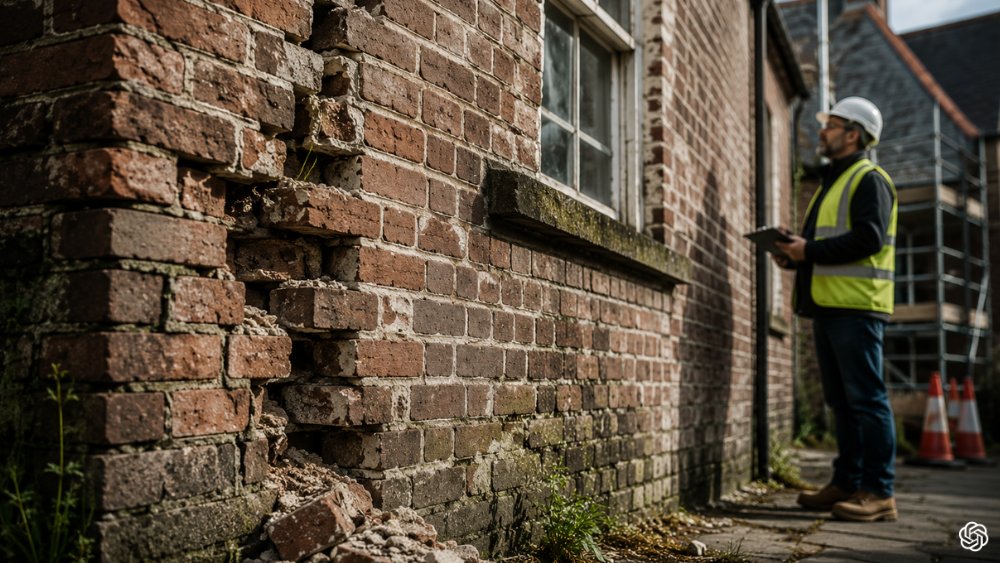
Mortar acts as a protective barrier between bricks. It helps keep moisture out while allowing the structure to move naturally with changes in temperature and weather conditions. When mortar starts to crack, crumble, or fall away, gaps begin to appear between the bricks. These gaps may look small at first, but they create entry points for water.
Once water enters the brickwork, it can cause damage that extends far beyond the mortar joints. During colder months, trapped moisture can freeze and expand. This process places pressure on both the mortar and the surrounding bricks. Over time, the bricks may crack, chip, or become loose. What started as a relatively straightforward repointing project can gradually develop into a more complex brick repair job.
Many older properties across the UK are particularly vulnerable because their mortar has already been exposed to decades of weathering. Victorian and Edwardian homes often rely on traditional mortar systems that require regular maintenance to remain effective. Ignoring early signs of deterioration allows water penetration to continue unchecked.
Structural movement can also become more noticeable when mortar joints weaken. Mortar helps distribute weight evenly throughout a wall. When sections deteriorate, pressure can become unevenly distributed. This may contribute to cracks appearing in walls, around windows, or near door openings. While not every crack signals a major structural concern, delaying repairs increases the risk that minor issues become much more difficult and expensive to resolve.
Property owners often search for answers such as “does damaged mortar cause structural problems” or “can missing mortar damage brickwork”. In many cases, the answer is yes. Mortar may seem insignificant compared with bricks, but it plays a vital role in keeping masonry stable and protected.
Water Damage, Damp Problems and Heat Loss Often Follow
One of the most common consequences of delayed brick repointing is moisture penetration. Brick walls are designed to manage water effectively when mortar joints remain intact. Once those joints begin to fail, water can enter areas that should remain dry.
Moisture inside walls can create a range of problems. Damp patches may appear on internal walls. Paint and wallpaper can start to peel. In some cases, mould growth develops in areas where moisture remains trapped. These issues can affect indoor comfort and may create concerns for occupants, especially in poorly ventilated spaces.
Water damage does not always become visible immediately. Moisture can travel through masonry over time before signs appear inside the property. This often leads property owners to underestimate the extent of the problem. By the time visible symptoms emerge, repairs may involve more than simply replacing mortar.
Another issue linked to deteriorating mortar is reduced energy efficiency. Gaps in mortar joints allow cold air to enter and warm air to escape. This can make it harder to maintain comfortable indoor temperatures throughout the year. As energy costs continue to be an important concern for households, even small areas of heat loss can contribute to higher heating bills.
Weather exposure makes the problem worse. Heavy rainfall, strong winds and repeated freeze-thaw cycles place additional pressure on weakened mortar. The longer repointing is postponed, the greater the chance that water penetration will continue to affect the building fabric.
Many homeowners searching for information about damp brick walls are surprised to learn that deteriorating mortar joints can be a contributing factor. Addressing repointing needs early often helps prevent more extensive moisture-related problems from developing in the future.
Delaying Repointing Can Increase Repair Costs Significantly
A major reason property owners postpone repointing is the belief that waiting will save money in the short term. Unfortunately, the opposite is often true. Brick repointing is generally considered a preventative maintenance task. When carried out at the right time, it helps avoid larger repair costs later.
Fresh mortar can usually be installed before significant brick damage occurs. However, if deterioration is allowed to continue, damaged bricks may need replacing alongside the repointing work. In severe cases, sections of masonry may require rebuilding. This naturally increases labour, material and access costs.
Properties with chimneys face additional risks. Chimneys are exposed to weather from all directions and often experience faster mortar deterioration than other parts of a building. Delaying chimney repointing can lead to loose bricks, water ingress and stability concerns. Repairing a chimney after extensive deterioration is typically more expensive than carrying out timely repointing.
Scaffolding requirements can also affect project costs. Smaller maintenance projects are often easier to manage than large-scale repairs involving extensive damaged areas. Once deterioration spreads, larger sections of the building may need attention. This can increase the overall scope of work required.
Insurance considerations may arise in some situations. If avoidable maintenance issues contribute to property damage, insurers may examine whether reasonable maintenance had been carried out. While every policy differs, preventative care generally helps reduce the likelihood of complications associated with neglected building maintenance.
Property owners frequently ask whether repointing is worth the investment. From a long-term maintenance perspective, addressing mortar deterioration before significant damage develops is often one of the most cost-effective decisions that can be made for a brick property.
The Appearance and Value of Your Property May Be Affected
Brickwork has a major influence on the appearance of any property. Even high-quality bricks can look worn and neglected when mortar joints are damaged or missing. Repointing helps maintain a clean, well-maintained appearance that reflects positively on the condition of the building.
As mortar continues to deteriorate, brickwork may appear uneven or weathered. Staining can develop where moisture repeatedly enters and exits the masonry. Vegetation such as moss or small plants may begin growing within open joints. These visual signs often suggest that maintenance has been deferred for an extended period.
For homeowners considering selling their property, visible brickwork defects can influence buyer perception. Potential purchasers often notice external maintenance issues before viewing internal features. Damaged mortar may raise concerns about future repair costs, even if the underlying structure remains sound.
Surveyors frequently assess the condition of masonry during property inspections. Deteriorated mortar may be highlighted in reports, prompting buyers to seek further investigations or negotiate repair costs. Maintaining brickwork in good condition can help support confidence in the overall state of the property.
Commercial buildings can experience similar challenges. The external appearance of a property contributes to first impressions for customers, visitors and tenants. Well-maintained brickwork demonstrates ongoing care and attention to the building’s condition.
Property value is influenced by many factors, but maintenance standards often play an important role. Addressing mortar deterioration promptly helps preserve both appearance and long-term performance.
Why Early Action Protects Brickwork for the Long Term
Brick buildings can remain strong and attractive for generations when maintained properly. Repointing is one of the most important forms of masonry maintenance because it protects the areas most vulnerable to weather exposure. While damaged mortar may seem like a minor issue initially, delaying repairs can allow water penetration, structural movement, brick deterioration and rising repair costs to develop over time.
The longer deteriorated mortar remains untreated, the more opportunities moisture has to affect the building. What begins as a simple maintenance task can gradually evolve into a far more extensive restoration project. Early intervention helps preserve the integrity of the brickwork, reduces the likelihood of damp-related issues and supports the overall lifespan of the property.
For anyone noticing cracks, gaps or crumbling mortar joints, seeking professional guidance before the damage progresses is often the most practical approach. Understanding the condition of your brickwork today can help prevent significant repair challenges tomorrow. By addressing repointing requirements at the right stage, property owners can protect their investment, maintain energy efficiency and ensure their brickwork continues to perform effectively for many years to come.
Signs Your Property Needs Repointing
Mortar plays a vital role in protecting brickwork from the effects of weather, moisture, and structural movement. Over time, exposure to rain, frost, wind, and changing temperatures can cause mortar joints to weaken and deteriorate. While the process is often gradual, recognising the early signs can help prevent more serious damage to your property. Understanding when brick repointing is needed allows homeowners to address problems before they develop into costly repairs.
Cracked or Crumbling Mortar Joints
One of the most obvious signs that a property requires repointing is visible damage to the mortar itself. Mortar joints may begin to crack, crumble, or break away from the surrounding brickwork. When this happens, the protective seal between bricks becomes less effective, allowing water and moisture to enter the wall structure. Even small cracks can worsen over time, particularly during periods of heavy rainfall or freezing temperatures. If sections of mortar can be easily removed by hand or appear powdery, repointing should be considered as soon as possible.
Gaps Between Bricks
Mortar is designed to hold bricks securely in place while creating a barrier against the elements. As mortar deteriorates, gaps can start to appear between bricks, leaving the wall exposed to water penetration and weather damage. These openings may seem minor at first, but they can quickly become larger as moisture enters the masonry. Visible gaps are a strong indication that the brickwork no longer has the level of protection it once did and may require professional assessment.
Damp Patches on Internal Walls
Many homeowners are surprised to learn that damaged mortar can contribute to damp issues inside a property. When mortar joints fail, rainwater can penetrate the external brickwork and gradually travel through the wall. This may result in damp patches, peeling paint, discoloured plaster, or mould growth indoors. If no obvious plumbing or roofing issues are present, deteriorating mortar could be one of the underlying causes. Repointing can help restore the wall’s resistance to moisture and reduce the risk of further water-related problems.
Loose or Damaged Bricks
As mortar continues to wear away, bricks may begin to loosen or shift from their original position. This is particularly common in older properties where mortar has been exposed to decades of weathering. Loose bricks not only affect the appearance of a building but can also create structural concerns if left unaddressed. Repointing helps strengthen the bond between bricks and supports the overall stability of the wall.
Vegetation Growing in Brickwork
The appearance of moss, weeds, or small plants growing from mortar joints often indicates that moisture is being retained within the brickwork. Damaged mortar creates ideal conditions for vegetation to take root, especially in shaded or damp areas of a property. As roots expand, they can force mortar joints apart and accelerate deterioration. Removing the vegetation without addressing the underlying mortar problem may only provide a temporary solution.
Weathered or Uneven Brickwork Appearance
Brickwork should have a consistent and well-maintained appearance. When mortar begins to fail, walls can look uneven, aged, or poorly maintained. Recessed joints, missing sections of mortar, and visible erosion are all signs that the brickwork may require attention. While appearance is often the first thing property owners notice, these visual changes can also indicate that the wall’s ability to resist weather damage has been reduced.
Recognising these warning signs early can help prevent more extensive brickwork repairs in the future. Timely repointing protects the structure, improves weather resistance, and helps maintain the long-term condition of your property.
Why Choose Dynamic Restoration Ltd.?
When it comes to brick repointing, experience, workmanship, and attention to detail make a significant difference to the final result. At Dynamic Restoration Ltd., we understand that every property has unique requirements, whether it is a modern building, a period home, or a commercial premises. Our approach focuses on protecting brickwork, preserving structural integrity, and delivering long-lasting results through professional repointing services.
Experienced Brickwork Specialists
Brickwork deterioration can develop for many reasons, including weather exposure, moisture penetration, and natural ageing. Our team has extensive experience working with different types of brickwork and mortar, allowing us to identify issues accurately and recommend the most suitable repointing solutions. This knowledge helps ensure repairs are carried out correctly and in line with the needs of the property.
High Standards of Workmanship
Quality workmanship is essential for successful brick repointing. We take great care when removing damaged mortar and applying new mortar to achieve a durable and visually consistent finish. Every project is completed with close attention to detail, helping to improve both the appearance and performance of the brickwork.
Suitable Solutions for Modern and Period Properties
Different buildings require different approaches. Older properties often use traditional mortar materials, while newer structures may have different construction methods. Our team understands the importance of selecting appropriate repointing techniques that complement the age, style, and condition of the building while helping to maintain its character.
Focus on Long-Term Protection
Effective repointing is about more than improving appearance. It plays an important role in protecting brickwork from water ingress, frost damage, and ongoing deterioration. Our work is designed to strengthen mortar joints, improve weather resistance, and help extend the lifespan of the property’s masonry.
Clear Communication Throughout the Project
We believe property owners should feel informed and confident throughout the repointing process. From the initial assessment through to project completion, we provide clear communication, honest advice, and straightforward information so clients understand the condition of their brickwork and the work being carried out.
Commitment to Customer Satisfaction
Every repointing project is completed with the goal of achieving a high standard of finish and a positive customer experience. We take pride in delivering work that helps protect properties, enhance brickwork appearance, and provide lasting value for homeowners, landlords, and commercial property owners alike.
Conclusion
Delaying brick repointing may seem harmless at first, but even small areas of damaged mortar can lead to much bigger problems over time. From water penetration and damp issues to weakened brickwork and rising repair costs, neglected mortar joints can affect both the appearance and structural condition of a property. What begins as a minor maintenance concern can gradually develop into extensive restoration work if left untreated.
Regular inspections and timely repointing help protect brickwork from the effects of weather, moisture, and natural wear. By addressing signs of mortar deterioration early, property owners can preserve the strength of their masonry, maintain energy efficiency, and avoid unnecessary expenses in the future. Whether you own a modern property or a period building, keeping mortar joints in good condition is an important part of protecting the long-term value, safety, and performance of your property.
At Dynamic Restoration Ltd., we provide professional brick repointing services designed to protect properties from moisture damage, mortar deterioration, and long-term structural wear. We combine skilled workmanship with careful attention to detail to restore the strength, appearance, and weather resistance of brickwork across residential and commercial properties. Our focus is on delivering high-quality repointing solutions that help preserve masonry and support the long-term condition of every building we work on.