
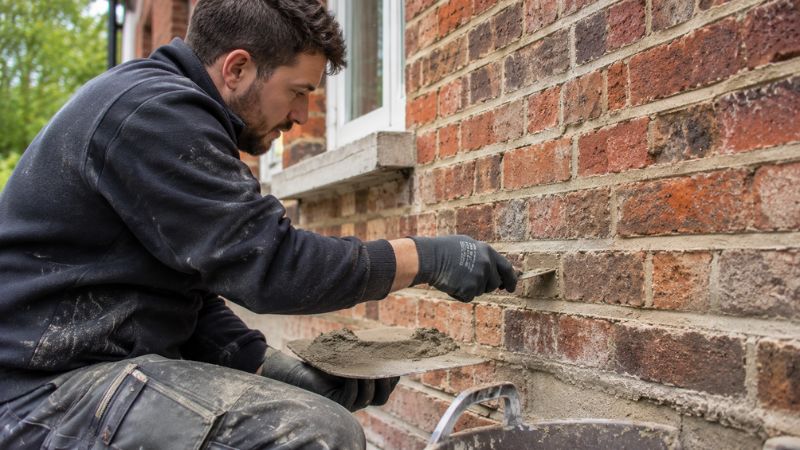
How Much Does Repointing Cost in London and Surrey?
If the mortar between your bricks is cracking, crumbling or falling out, you may be wondering how much it will cost to put it right. Repointing is an important part of looking after a property. It helps keep brickwork in good condition, reduces the risk of water entering the walls and improves the appearance of the building.
However, the cost of repointing in London and Surrey can vary from one property to another. A small repair to a garden wall will usually involve less work than repointing the full front and rear elevations of a Victorian house. The type of brick, condition of the existing mortar, access to the walls and the mortar mix needed can all affect the final price.
Some homeowners look for a price per square metre to plan their budget. While this can be useful as a starting point, it does not always show the full cost of a project. The amount of old mortar that needs removing and the care needed to protect the bricks can make a big difference.
This guide explains what affects repointing prices, what the work involves and how to understand a quotation before agreeing to a project. It also covers common questions from property owners across South West London, Central London, South London and nearby Surrey areas.
What Is the Average Repointing Cost in London and Surrey?
There is no single price for every repointing project. The cost depends on how much brickwork needs attention and the condition of the existing joints. Some properties need a small amount of local repair, while others require large sections of mortar to be removed and replaced.
For example, repointing a short garden wall may be a fairly simple job if the brickwork is in good condition and easy to reach. Repointing a whole Victorian terrace can involve much more work. The team may need to remove old mortar from several elevations, work around windows and decorative features, and arrange access equipment for upper floors.
Many contractors use the wall area, measured in square metres, to help estimate the work. However, the condition of the joints is just as important as the size of the wall. If the mortar is only damaged in a few places, a full repointing project may not be needed. If the joints are deeply worn or have become loose across a large area, more extensive work may be necessary.
The type of mortar also affects the price. Modern properties often have cement-based mortar, while older buildings may have lime mortar. Lime mortar needs a different approach and must be selected with care. Using a hard cement mix on an older property can cause damage to softer bricks because moisture cannot escape in the same way.
Dynamic Restoration Ltd provides the finish you need and can also influence the work involved. Flush pointing, recessed pointing, weather-struck pointing and other styles create different appearances. The chosen finish should suit the original brickwork and the building’s design.
For these reasons, a site inspection is the best way to understand the likely cost. A contractor can check the walls, assess the joints and explain whether the property needs local repairs or full repointing. This gives you a more useful price than a general estimate based only on the size of the house.
What Factors Affect the Cost of Brick Repointing?
The size of the area is one of the main factors. A larger wall needs more mortar, more preparation and more working time. However, two walls of the same size can still have different prices if one has badly damaged joints or difficult access.
The condition of the existing mortar is particularly important. Before new mortar can be applied, the damaged material must be removed to a suitable depth. Loose sections need to be cleared, and the joints must be prepared properly. If the old mortar is very hard, deeply set or difficult to remove, this stage can take longer.
Care is also needed when working around the bricks. Removing mortar too aggressively can chip the edges or damage the brick faces. This is a concern with older London properties, where the bricks may have become softer through years of exposure to rain and pollution. A careful removal process helps preserve the original material.
Access can add to the total cost. Ground-floor walls are generally easier to reach than upper-storey elevations, chimneys and roofline areas. Scaffolding or other access equipment may be needed to reach higher sections safely. The cost of arranging this equipment should be clear in the quotation.
The location of the property can also affect planning. A house on a narrow street in Chelsea or Fulham may have limited space for equipment and materials. Work in busy areas of Central London may require extra planning to protect pedestrians, neighbouring properties and public spaces. Properties in Wimbledon, Richmond, Tooting, Southfields, Sutton and Epsom can also have different access conditions depending on their layout.
Another factor is the type of brickwork. Decorative brick patterns, arches, curved walls and detailed features take more care than plain walls. If some bricks are cracked or damaged, they may need separate repair or replacement before the pointing is completed.
Finally, the amount of preparation and cleaning required can influence the overall price. A proper job involves more than simply adding fresh mortar to visible gaps. The joints need to be prepared, the new mortar must be applied and shaped correctly, and the surrounding brickwork should be left in a suitable condition.
A clear quotation should explain these parts of the work rather than give one figure without showing what is included.
Which Mortar Is Best for Repointing, and Does It Affect the Price?
Choosing the correct mortar is one of the most important parts of repointing. Mortar does more than hold bricks together. It also helps the wall manage moisture and movement caused by changes in temperature and weather.
Cement-based mortar is common in modern construction. It is often used on newer brickwork where the bricks and original mortar were designed to work together. However, it may not be suitable for every older property.
Many traditional buildings were built using lime mortar. Lime is more flexible and allows moisture to move through the joints and escape. This is important for older bricks that need to breathe. Replacing lime mortar with a hard cement mix can cause moisture to become trapped, which may lead to damaged brick faces and further decay.
The colour and texture of the mortar also matter. If the new mortar looks very different from the original, it can change the appearance of the whole building. A suitable mix should consider the existing mortar, the brick colour and the age of the property.
There are several pointing styles to consider. Flush pointing creates a level finish with the brick face. Recessed pointing leaves the mortar slightly behind the surface. Weather-struck pointing uses an angled finish to help direct rainwater away from the joints. Struck pointing creates a different angled profile, with the lower edge projecting further than the upper edge.
The best choice depends on the building and the original finish. Changing the pointing style simply to achieve a different appearance may not be suitable for a period property.
Specialist mortar mixes and detailed finishes may involve more time and materials, which can affect the quotation. A good contractor should explain why a particular mix is suitable rather than choosing one based only on price.
How Can You Keep Repointing Costs Under Control?
The best way to manage repointing costs is to deal with mortar problems before they spread across a large area. Small cracks and worn joints may seem harmless, but they can allow rainwater to enter the wall. Over time, this can lead to damp patches, damaged bricks and more extensive repairs.
Start by checking the condition of the mortar around your property. Look for joints that are cracked, missing or crumbling when lightly touched. Pay attention to areas around windows, doors, chimneys and exposed walls, as these sections can experience more weather damage.
However, not every old-looking joint needs to be replaced. Some mortar may have surface marks without being badly damaged. A professional inspection can help establish whether the wall needs full repointing, local repairs or further investigation.
When comparing quotations, make sure each contractor is pricing the same areas. One quote may include the front elevation only, while another may cover the front, rear and side walls. Comparing the total figures without checking the scope can lead to confusion.
Ask whether the price includes removing the old mortar, preparing the joints, supplying the new mix, applying the chosen finish and cleaning the work area. If scaffolding or brick repairs are needed, check whether these costs are included or listed separately.
It is also worth asking how the contractor plans to protect the bricks during mortar removal. The tools and method used should suit the age and condition of the wall. A low quotation is not good value if poor workmanship leads to damaged bricks or the need for more repairs.
Dynamic Restoration Ltd provides repointing and brick restoration services across London and nearby Surrey areas. Its work includes removing old, damaged mortar, filling joints with fresh mortar and repairing areas where brickwork has cracks or gaps. The company assesses the property before carrying out the work and considers the mortar finish and appearance of the existing brickwork. Its local service areas include Wimbledon, Chelsea, Fulham, Richmond, Hammersmith, Kingston and other nearby locations.
A proper assessment helps establish the amount of work needed and gives you a clearer idea of the likely cost before the project begins.
Frequently Asked Questions
How much does it cost to repoint a three-bedroom house in London?
The cost depends on the size of the walls, the condition of the mortar, the number of elevations being treated and access requirements. The number of bedrooms does not provide enough information to calculate a fair price. A property inspection is needed to measure the work and check the condition of the brickwork.
How much does repointing cost per square metre?
Some contractors use a square metre rate to estimate repointing work. However, the rate can vary depending on mortar removal, brick condition, access and the type of finish required. It is best to use this figure as a guide rather than assume it will be the final project price.
How do I know if my house needs repointing?
Look for crumbling mortar, missing sections, deep cracks and joints that have become loose or recessed. You may also notice damp patches or water entering through damaged areas. A professional inspection can confirm whether repointing is needed or whether local repairs will be enough.
Is lime mortar more expensive than cement mortar?
Lime mortar can cost more because it may need specialist materials, preparation and application methods. However, it is often the correct choice for traditional buildings. Using the wrong mortar to save money can lead to damage and higher repair costs later.
How long does repointing a house take?
The time depends on the size of the property, the amount of mortar to remove, access and weather conditions. A small repair may take a short time, while a full house can take several days or longer. Your contractor should provide an estimated schedule after inspecting the walls.